What Type of Soil Do I Have?
Enter your zip code to instantly discover your soil type, pH level, drainage, USDA hardiness zone, and the best plants for your garden.
Free soil data for all 41,000+ US zip codes
How It Works
Enter Your Zip Code
Type in your 5-digit zip code above. We cover every zip code in the United States.
Get Your Soil Data
See your soil type, pH range, drainage class, organic matter content, and USDA hardiness zone instantly.
Garden Better
Get personalized plant recommendations and soil amendment tips tailored to your specific soil conditions.
Explore by Soil Type
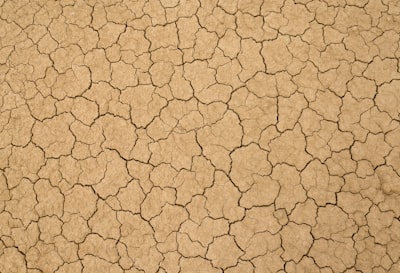
Clay
Heavy, nutrient-rich soil that holds moisture well but drains slowly. Common across the Midwest and Southeast.
View Guide →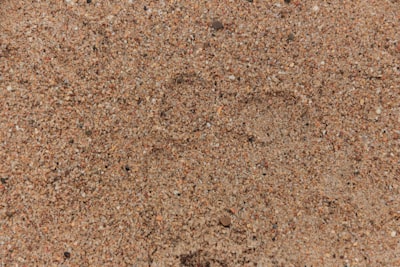
Sandy
Light, fast-draining soil that warms quickly in spring. Found in coastal areas and arid regions.
View Guide →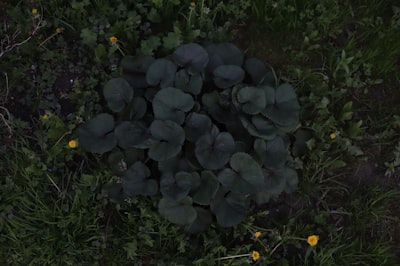
Loam
The ideal garden soil with a balanced mix of sand, silt, and clay. Great for most plants.
View Guide →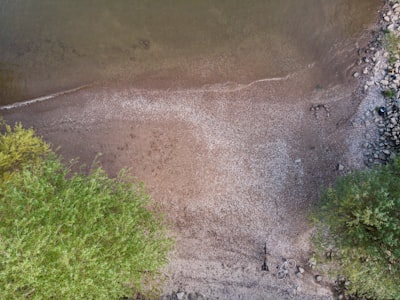
Silt
Smooth, fertile soil that holds moisture and nutrients. Common near river floodplains.
View Guide →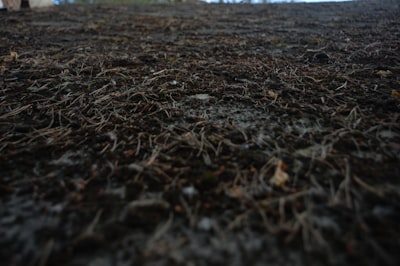
Sandy Loam
A well-draining mix with more sand than silt or clay. Excellent for root vegetables and herbs.
View Guide →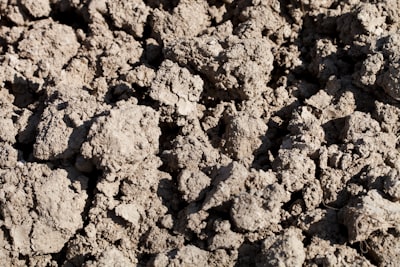
Clay Loam
A balanced blend of clay and loam with good structure. Suitable for a wide variety of crops.
View Guide →
Silty Clay
Fine-textured soil that holds water well. Rich in nutrients but can be slow to drain.
View Guide →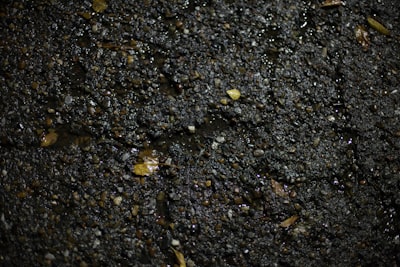
Peat
Dark, organic-rich soil found in wetland areas. Acidic and moisture-retentive.
View Guide →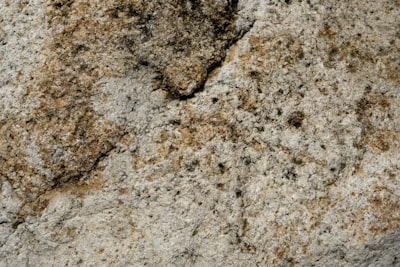
Chalk
Alkaline, free-draining soil over limestone bedrock. Limits acid-loving plants.
View Guide →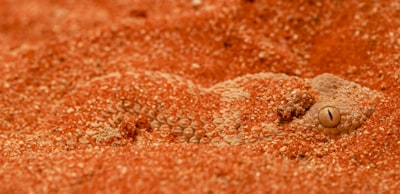
Sandy Clay
A dense mix of sand and clay particles. Challenging but manageable with amendments.
View Guide →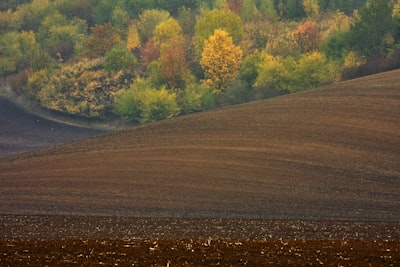
Silty Loam
A productive blend of silt and loam. Popular in agricultural regions across the US.
View Guide →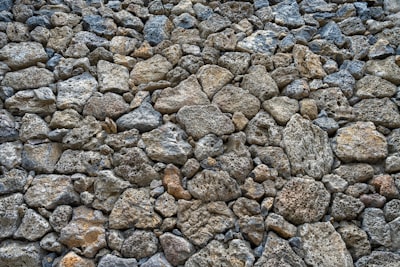
Rocky
Shallow soil with stone fragments. Well-drained but low in organic matter.
View Guide →Browse by State
Free Soil Data for Every US Zip Code
What type of soil do I have?
Your soil type depends on your location and is determined by the proportions of sand, silt, and clay particles. The most common types in the US are clay (Midwest, Southeast), sandy (coasts, Southwest), loam (Midwest farmland), and silty-loam (river valleys and floodplains). Enter your zip code above to instantly look up your USDA soil series, pH range, drainage class, and best plants — free data from the NRCS Web Soil Survey, covering all 41,000+ US zip codes.
MySoilType gives you instant access to detailed soil information for any location in the United States. Our data comes directly from the USDA Natural Resources Conservation Service (NRCS) Web Soil Survey, the most comprehensive soil database in the country. Whether you are planning a new garden, troubleshooting drainage problems, or choosing the right plants for your yard, knowing your soil type is the first step.
Every zip code page includes your dominant soil type, soil series name, pH range with acidity or alkalinity classification, drainage class, organic matter percentage, water holding capacity, and your USDA plant hardiness zone. We cross-reference all of this data to give you tailored plant recommendations across six categories: vegetables, fruits, flowers, herbs, trees, and shrubs.
Soil conditions vary widely across the US. Clay soils dominate much of the Midwest, while sandy soils are common along the coasts and in the Southwest. Loam, the most balanced soil type, supports the richest agricultural regions. Understanding what type of soil you have helps you choose the right amendments, watering schedule, and planting strategy. Use our state pages to explore soil distribution patterns — popular guides include Texas, Missouri, Oklahoma, Michigan, Kansas, and Indiana — or dive into specific hardiness zone guides for seasonal planting calendars.
Frequently Asked Questions about Soil Types and Gardening
What are the main soil types and how do I identify mine?
There are six main soil types based on particle composition: sandy (large particles, drains quickly, warms fast, low in nutrients), clay (tiny particles, retains water and nutrients but compacts and drains slowly), silt (medium particles, fertile but easily compacted), loamy (balanced mix of sand/silt/clay, ideal for most plants), peaty (high organic matter, acidic, water-retentive), chalky (lime-rich, alkaline pH 7.5 plus, drains well). The USDA soil texture triangle classifies 12 textural classes based on percentages of sand (2.0 to 0.05 mm), silt (0.05 to 0.002 mm), and clay (less than 0.002 mm). To identify your soil, use these simple tests. Ribbon test: moisten a handful, squeeze into a ribbon — sand breaks immediately, loam makes 2 to 3 cm ribbon, clay makes 5 to 8 cm flexible ribbon. Jar test: fill a jar one-third with soil and two-thirds with water, shake vigorously, let settle 24 hours — layers form from bottom up as sand, silt, clay, organic matter floats. Percolation test: dig 30 cm hole, fill with water, measure drop rate — less than 25 mm per hour suggests clay, 25 to 50 mm moderate drainage, over 50 mm sandy. For detailed analysis, send sample to agricultural extension lab (20 to 75 dollars): measures pH, N-P-K, organic matter, cation exchange capacity (CEC), micronutrients, heavy metals. The USDA NRCS Web Soil Survey (websoilsurvey.nrcs.usda.gov) provides free soil maps for the US.
What soil pH is best for my plants?
Soil pH affects nutrient availability and plant health critically. pH scale runs 0 to 14, with 7 being neutral; most plants prefer 6.0 to 7.0 (slightly acidic to neutral). Acidic soils (pH 4.5 to 6.0): suit blueberries (4.5 to 5.5 optimal), azaleas, rhododendrons, camellias, hydrangeas (blue flowers at pH 4.5 to 5.5), potatoes (5.0 to 6.0 deters scab), strawberries, raspberries. Neutral soils (pH 6.0 to 7.0): ideal for most vegetables, grass lawns, tomatoes, squash, peppers, beans, corn, roses, most herbs, fruit trees (apple, pear, stone fruits). Alkaline soils (pH 7.0 to 8.0): suit lavender, clematis, brassicas (cabbage family prefers 6.5 to 7.5 to reduce clubroot risk), asparagus, lilacs, yews. Adjusting pH: lower pH (more acidic) by adding elemental sulfur (30 to 50 g per sq m per 0.5 pH unit), aluminum sulfate (faster but can cause aluminum toxicity), pine needle mulch, peat moss (sustainability concerns). Raise pH (more alkaline) by adding dolomitic lime (200 to 400 g per sq m per 0.5 pH unit, add calcium and magnesium), calcitic lime (calcium only), wood ash (fast-acting, also adds potassium, 150 to 300 g per sq m). Always retest 3 to 6 months after adjustment — pH change is gradual. Nutrient availability peaks 6.0 to 7.0: below 5.5, phosphorus, calcium, and magnesium become unavailable and aluminum/manganese become toxic; above 7.5, iron, manganese, zinc, and copper become unavailable. For accurate pH, use digital meter (plus or minus 0.1, 30 to 80 dollars) or chemical test kit (plus or minus 0.5, 10 to 25 dollars).
How do I improve my soil for better gardening?
Soil improvement focuses on structure, organic matter, nutrients, and biology. Add organic matter annually: compost 5 to 10 cm layer incorporated into top 15 to 25 cm (rule of thumb 40 to 60 liters per sq m). Compost sources: home composting (3 to 6 months), municipal compost, aged manure (minimum 6 months aged to avoid burning plants and pathogens, cow/horse/sheep are mildest, poultry is hottest), leaf mold (decomposed leaves, 1 to 2 years). Cover crops: plant green manures in fall (crimson clover, winter rye, hairy vetch, daikon radish for compacted soil) and chop in spring 3 to 4 weeks before planting. Mulch: 5 to 10 cm organic mulch (wood chips, straw, shredded leaves) retains moisture, suppresses weeds, feeds soil biology as it decomposes. Key additions by soil type. Sandy soil: add organic matter (improves water/nutrient retention), clay or biochar (builds structure), vermicompost; mulch heavily; consider cover crops with deep roots. Clay soil: add organic matter (breaks up compaction), coarse sand (only with massive amounts, 50 percent plus — less is worse), gypsum (helps sodic clay, not all clays), biochar. Never work wet clay — creates concrete-like clods. Raised beds help. Peaty soil: usually needs drainage improvement and lime to reduce acidity. Chalky soil: add lots of organic matter, use chelated iron for iron-loving plants. Beneficial biology: mycorrhizal fungi inoculants (for first year of new beds), compost tea, soil-building cover crops with diverse species. Avoid: tilling more than necessary (destroys soil structure and mycorrhizal networks), synthetic fertilizers on degraded soils (feeds plants not soil), overwatering (promotes anaerobic conditions). Healthy soil has 5 percent plus organic matter — most depleted soils have 1 to 2 percent.
What is the difference between organic and synthetic fertilizers?
Organic fertilizers come from natural sources (plants, animals, minerals) and release nutrients slowly as microorganisms decompose them. Synthetic (inorganic) fertilizers are manufactured chemical compounds that provide nutrients in immediately plant-available forms. Organic fertilizers. Pros: feed soil biology, improve soil structure over time, slow release reduces leaching and pollution, supply micronutrients, don't burn plants easily, sustainable. Cons: slow nutrient release (takes weeks to months), lower nutrient density per kg, variable analysis, more expensive per unit nutrient, bulkier to store. Examples and N-P-K approximate values: compost (1-1-1 to 3-3-3), aged manure (0.5-0.5-0.5 cow to 3-2-1 poultry), blood meal (12-0-0, fast N), bone meal (4-20-0, slow P), fish emulsion (5-1-1), kelp meal (1-0-2 plus micronutrients), alfalfa meal (2-1-2), feather meal (12-0-0), rock phosphate (0-3-0 very slow), wood ash (0-1-3 alkaline, high K). Synthetic fertilizers. Pros: precise nutrient ratios, immediate availability, high density, consistent analysis, lower cost per unit nutrient, easy to apply. Cons: no soil-building benefit, can salt-burn plants, leach into groundwater, long-term use degrades soil biology and structure, fossil-fuel intensive production (Haber-Bosch for N), contribute 6 percent of global CO2 emissions. Common types: urea (46-0-0), ammonium nitrate (34-0-0), potassium chloride (0-0-60, also muriate of potash), triple superphosphate (0-45-0), NPK blends (10-10-10, 13-13-13 balanced for lawns). Best practice. Use slow-release or coated synthetic (urea coated with polymer releases over 6 months) combined with organic amendments. Soil test first — avoid over-applying; excess nutrients cause environmental harm and can reduce plant health. Match application to plant phenology (N at vegetative growth, P at root/flower development, K at fruit/winter hardening). Organic matter is the foundation for any fertility program.
When should I test my soil and what does the test tell me?
Soil testing is recommended every 2 to 3 years for established gardens, annually for intensive vegetable production, and before establishing a new bed or lawn. Best timing: fall (after harvest, results in time for spring amendment) or early spring (6 to 8 weeks before planting). Avoid sampling within 3 months of liming or fertilizing — this distorts results. Sample collection: take 8 to 12 sub-samples across the area using a soil probe or trowel, from 0 to 15 cm depth for gardens, 0 to 20 cm for lawns, 0 to 30 cm for orchards. Mix thoroughly, submit 300 to 500 g. For uneven areas, sample zones separately. Remove debris, roots, and rocks. Standard soil test (30 to 75 dollars from agricultural extension labs in the US; 40 to 120 euros in Europe) reports: pH (acidity/alkalinity), buffer pH (lime requirement), macronutrients phosphorus (P) and potassium (K) with category ratings (low, medium, optimum, high, very high), secondary nutrients calcium (Ca) and magnesium (Mg), cation exchange capacity (CEC: clay/loam 10 to 40, sandy 3 to 10 meq/100g indicates nutrient holding capacity), organic matter percentage (ideal 3 to 5 percent plus), recommendations for lime and fertilizer applications. Advanced tests (50 to 200 dollars): micronutrients (Fe, Mn, Zn, Cu, B, Mo), sulfate sulfur, nitrate nitrogen, heavy metals (Pb, Cd, As for urban gardens), biological indicators (microbial biomass carbon, respiration, nematode counts). For new home gardeners in urban areas, always test for lead — EPA action level is 400 ppm, vegetables should not be grown in soil above 300 ppm lead (some recommend under 100 ppm for leafy vegetables). Interpretation: labs provide recommendations in kg per hectare or lbs per 1000 sq ft — convert to your area, split into multiple applications. Keep records to track trends over years.