Soil Types in Iowa
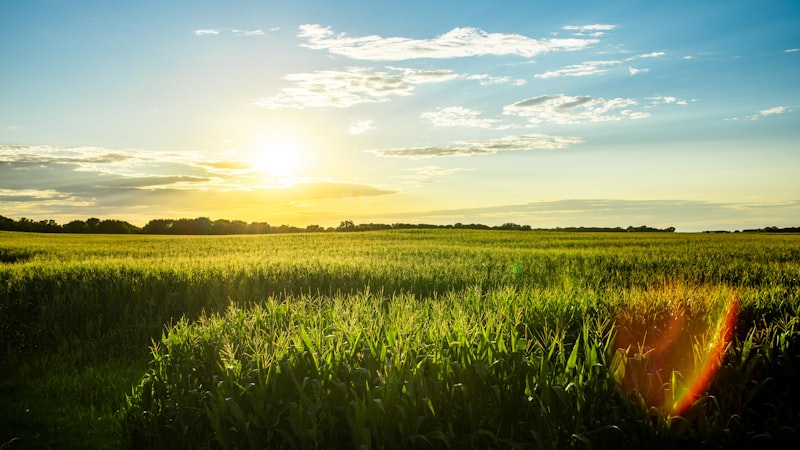
Iowa’s legendary black prairie soils are among the world’s most fertile — deep mollisols with 3–7% organic matter built under 10,000 years of tall-grass prairie. Tama silt loam, the state soil, typifies this “Iowa black gold” profile formed in loess over glacial till. The Loess Hills along the Missouri River reach 200 feet thick. Iowa spans USDA zones 4b–6a with 145–175 frost-free days.
Hardiness Zones
Iowa spans USDA zones 4b through 6a.
Top Cities in Iowa
Soil Types in Iowa
Iowa has 876 zip codes in our database. The most common soil type is silt loam — specifically the deep, dark “Iowa black gold” with 3–7% organic matter that makes Iowa one of the world’s most fertile agricultural regions. Understanding your local soil type helps you choose the right plants and amendments for your garden.
USDA Hardiness Zones in Iowa
Iowa spans USDA hardiness zones 4b through 6a. Your hardiness zone determines which perennial plants will survive winter in your area. Enter your zip code above to find your exact zone and get personalized planting recommendations.
Iowa’s Legendary Black Prairie Soil
Iowa sits at the heart of the Corn Belt for a reason: its soils are among the most fertile in the world. The state’s gently rolling landscape was shaped by glaciers and then enriched by 10,000 years of tall-grass prairie growth. The result is deep, black soil with organic matter levels of 3-7% — visible as the rich, dark color that inspired the descriptor ‘Iowa black gold.’ Tama silt loam, the state soil, formed under prairie vegetation in loess (wind-deposited silt) over glacial till, and epitomizes Iowa’s agricultural potential. The Des Moines Lobe in north-central Iowa features some of the youngest glacial soils in the Midwest, deposited just 12,000-14,000 years ago. The Loess Hills along the Missouri River are a globally unique landform of wind-blown silt deposits up to 200 feet thick.
Growing Seasons and Frost Dates in Iowa
Iowa’s continental climate produces a growing season of about 145 days in the north to 175 days in the south. Des Moines in central Iowa averages about 165 frost-free days, with the last spring frost near April 20 and first fall frost around October 5. Northern Iowa (Mason City, Decorah) sees its last frost around May 1-5 and first frost by late September. Southern Iowa near the Missouri border has a somewhat longer season of 175 days. Iowa summers are hot and humid, with frequent thunderstorms that deliver most of the state’s 30-35 inches of annual rainfall between May and August. Gardeners rarely need supplemental irrigation during the growing season, though July droughts occasionally stress shallow-rooted crops.
Best Crops for Iowa Soils
Iowa’s deep, rich soils will grow almost anything adapted to the climate. Corn and soybeans dominate commercially, but the same soils produce exceptional vegetables. Sweet corn from Iowa garden soil is a midsummer treasure. Tomatoes, peppers, melons, squash, and cucumbers thrive in the warm summers. Iowa’s naturally fertile soil often requires little more than nitrogen supplementation for heavy-feeding crops. Root vegetables like carrots, beets, and potatoes grow beautifully in the silt loam texture. For perennials, asparagus, rhubarb, and strawberries establish vigorously and produce for years. Apple orchards across the state produce well, particularly cold-hardy varieties like Honeycrisp, which was developed for this climate.
Soil Conservation Challenges in Iowa
Iowa’s greatest soil challenge is erosion — not because the soil is unstable, but because it’s so valuable that every acre has been pressed into production. Iowa has lost an estimated 50% of its original topsoil since European settlement, primarily through water erosion on tilled fields. Conservation practices like no-till farming, cover crops, contour plowing, and grass waterways are increasingly adopted. For home gardeners, Iowa soil rarely needs much amendment — a soil test through Iowa State University Extension (about $20) is the best guide. Some areas need lime to correct slightly acidic conditions, and suburban yards on former farmland may be compacted from construction. The biggest gift an Iowa gardener can give their soil is keeping it covered: mulch in summer, cover crops in winter.