Soil Types in Kansas
Kansas soils transition from deep, dark mollisols with 3–5% organic matter under tall-grass prairie in the humid east to shallow, alkaline short-grass prairie soils in the arid west. Harney silt loam—the state soil—typifies the fertile central transition zone. The Flint Hills preserve the largest remaining tall-grass prairie in North America. Kansas spans USDA zones 6a–7a with 165–195 frost-free days.
Maps show what is typical for Kansas. A home test kit tells you the pH and nutrient levels of your yard.As an Amazon Associate, we earn from qualifying purchases.
Get a soil test kit →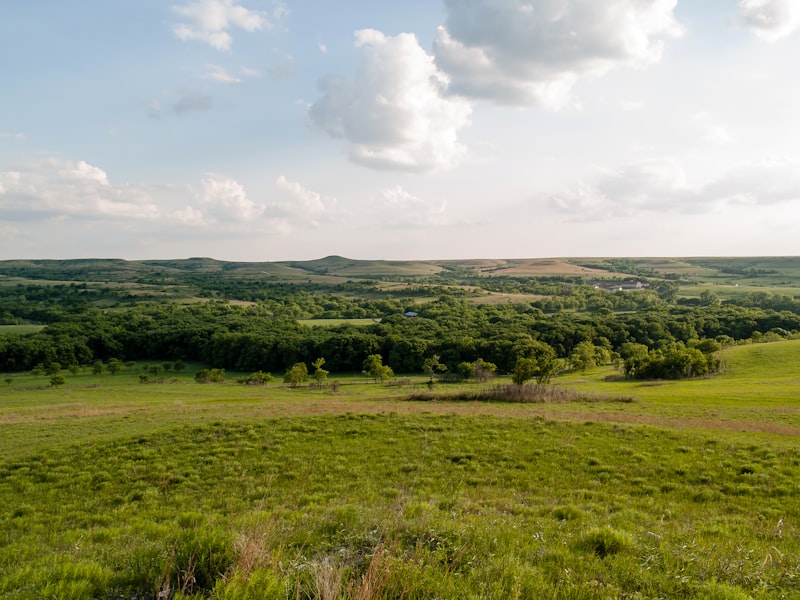
Test before you amend
Our data is drawn from USDA soil surveys, so it describes the dominant soil across an area — useful for planning, not precise enough for dosing lime or fertiliser. Before you buy amendments for Kansas, run a test on the bed you actually garden: pH and N-P-K vary from one end of a yard to the other.
Get a soil test kit for Kansas →As an Amazon Associate, we earn from qualifying purchases.
Hardiness Zones
Kansas spans USDA zones 6a through 7a.
Top Cities in Kansas
Soil Types in Kansas
Kansas has 672 zip codes in our database. The most common soil type is loam, with silt loam dominating eastern Kansas and Harney silt loam — the state soil — representing the fertile central transition zone. Understanding your local soil type helps you choose the right plants and amendments for your garden.
USDA Hardiness Zones in Kansas
Kansas spans USDA hardiness zones 6a through 7a. Your hardiness zone determines which perennial plants will survive winter in your area. Enter your zip code above to find your exact zone and get personalized planting recommendations.
Kansas Prairie Soils and Geology
Kansas is the geographic center of the contiguous United States, and its soils transition from east to west as rainfall diminishes. Eastern Kansas receives 35-40 inches of rain annually and features deep, dark prairie soils similar to Iowa and Illinois — thick mollisols with 3-5% organic matter formed under tall-grass prairie. Central Kansas has mixed-grass prairie soils that are slightly thinner and lighter in color. Western Kansas, receiving just 16-20 inches of rain, has short-grass prairie soils that are shallower and more alkaline. Harney silt loam, the state soil, represents the central Kansas transition zone and is widely used for winter wheat production. The Flint Hills region contains the largest remaining tract of tall-grass prairie in North America, where thin soils over limestone bedrock prevented plowing and preserved the native ecosystem.
Growing Seasons and Frost Dates in Kansas
Kansas has a continental climate with a growing season ranging from about 165 days in the northeast to 195 days in the south-central region. Topeka and Kansas City in the east average about 185 frost-free days, with the last spring frost near April 10 and first fall frost around October 15. Wichita in south-central Kansas enjoys about 195 days. Dodge City and Garden City in the west have shorter seasons of 170 days due to higher elevation. Kansas is famously windy, which increases evapotranspiration and makes irrigation or mulching essential, especially in the drier western counties. Spring severe weather including tornadoes and hail can damage early plantings — experienced Kansas gardeners keep row cover fabric handy through May.
Best Crops for Kansas Soils
Kansas leads the nation in wheat production, and the same soils that grow hard red winter wheat support excellent home gardens. Tomatoes, peppers, sweet corn, squash, and okra are summer staples across the state. Eastern Kansas soils are naturally fertile enough that many gardens need only nitrogen supplementation. Watermelons and cantaloupes thrive in the hot Kansas summers, particularly in the sandier soils of the Arkansas River Valley. Asparagus is a standout perennial for Kansas — once established, it produces for 15-20 years in the well-drained prairie soils. Pecans grow well in southeastern Kansas, and apples perform in the eastern counties. Sunflowers, both ornamental and edible, are a natural fit for the state that ranks among the top sunflower producers.
Soil Management in Kansas
Kansas State University Research and Extension provides soil testing through county offices at about $15 per sample. Eastern Kansas soils typically test near neutral pH with good fertility, while western soils tend alkaline and may have salinity issues from irrigation. Wind erosion is a historic concern — Kansas was at the center of the Dust Bowl in the 1930s, and windbreak plantings and conservation tillage remain important practices. For home gardeners, the primary amendment need is organic matter: even Kansas’ naturally rich soils benefit from annual compost additions that improve water retention and soil biology. Mulching is particularly important in the windy, hot Kansas climate to prevent moisture loss and soil temperature extremes.