Clay Loam Soil: Complete Gardening Guide
Quick Answer — What is Clay Loam soil?
Clay loam soil contains 25 to 40 percent clay mixed with sand and silt, giving it excellent nutrient and moisture retention with better drainage and workability than pure clay. It supports tomatoes, peppers, squash, corn, and most…
Soil Composition
Characteristics
| Texture | Smooth with slight grittiness; firm when squeezed, slightly sticky when wet |
|---|---|
| Drainage | Moderate; slower than loam but better than clay |
| Water Retention | Moderate to high |
| Nutrient Retention | High |
| Workability | Moderate; best worked when slightly moist |
| Compaction Risk | Moderate to high |
| Erosion Risk | Low to moderate |
Pros & Cons
Advantages
- Excellent nutrient retention for sustained plant feeding
- Good moisture retention reduces watering frequency
- More workable than pure clay
- Supports a wide variety of plants
- Good structural stability for paths and building
Challenges
- Drains more slowly than sandy soils; prone to waterlogging in heavy rain
- Can compact under traffic, especially when wet
- Slow to warm up in spring compared to sandy soils
- Needs regular organic matter additions to stay workable
- Can become sticky and difficult to handle in wet conditions
What Is Clay Loam Soil?
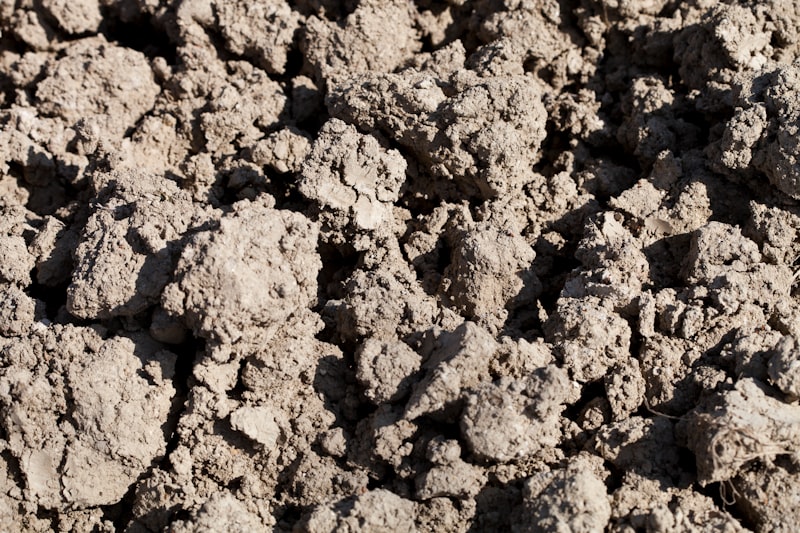
Clay loam soil contains 25 to 40 percent clay mixed with sand and silt, giving it excellent nutrient and moisture retention with better drainage and workability than pure clay. It supports tomatoes, peppers, squash, corn, and most ornamental trees. Found widely across the Midwest, Northeast, and Southeast USA, clay loam is one of the most common garden soils in the country. Clay loam occupies a position on the soil texture triangle between true loam and heavy clay. The clay fraction provides excellent nutrient and moisture retention, while the sand and silt ensure that the soil does not become as dense and unworkable as pure clay. When you handle clay loam, it feels relatively smooth with just a hint of grittiness from the sand particles. Squeezed when moist, it forms a firm ball that holds together but can be broken apart with moderate pressure. Many gardeners who think they have pure clay actually have clay loam, which is good news because it responds more quickly and dramatically to amendment efforts.
Clay Loam Soil for Vegetable Gardens
Clay loam soil is genuinely productive for vegetable gardening, especially for crops that appreciate consistent moisture and steady nutrient availability. Heavy-feeding crops like tomatoes, peppers, and squash perform exceptionally well because the clay fraction acts as a nutrient bank, slowly releasing minerals throughout the growing season. Brassicas like broccoli, cabbage, and cauliflower love clay loam for the same reasons. Beans and peas fix nitrogen efficiently in this soil type, and corn develops strong root systems thanks to the firm anchoring the clay provides. Where clay loam falls short is with root vegetables. Carrots and parsnips tend to fork and grow stunted because the soil is too firm for easy expansion. If you want to grow root crops, build a raised bed and fill it with a looser mix. Similarly, herbs like rosemary and lavender that prefer sharp drainage will struggle in clay loam unless planted in raised beds or amended planting pockets with extra sand and gravel.
How to Improve Clay Loam Soil
Improving clay loam is more about fine-tuning than complete transformation. The soil already has good bones: decent nutrient retention, reasonable structure, and moderate drainage. Your job is to push it closer to true loam by increasing organic matter content and preventing compaction. Add 3 to 4 inches of compost annually, working it into the top 8 inches with a broadfork or garden fork rather than a rototiller, which can create a compacted layer just below the tilling depth. Timing matters with clay loam. Never work it when wet, as you will create rock-hard clumps that persist for an entire season. Wait until the soil crumbles when you squeeze a handful. Gypsum can help if your clay fraction is particularly sticky, applied at 30 to 40 pounds per 1,000 square feet. Permanent mulching with bark chips, straw, or shredded leaves protects the surface from rain compaction and feeds the soil biology that keeps clay loam in good tilth.
Understanding Clay Loam Soil
Clay loam sits between loam and clay on the texture triangle, with clay content typically ranging from 27 to 40 percent, balanced by sand and silt. This makes it heavier than true loam but more workable than straight clay. Many of the world's most productive agricultural regions sit on clay loam, including parts of the Corn Belt, the English Midlands, and the river plains of northern India. The reason is simple: clay loam combines good nutrient retention with adequate (if imperfect) drainage and enough structure to support root systems without suffocating them. Most garden plants will grow in clay loam with minimal amendment, though root crops and Mediterranean species may need extra drainage.
How Clay Loam Differs from Pure Clay
If you have been told you have clay soil, there is a good chance you actually have clay loam. The difference matters for gardening decisions. Clay loam forms a ribbon in the squeeze test but the ribbon breaks before reaching two inches -- pure clay ribbons extend beyond that. Clay loam does not stay waterlogged as long after rain, typically draining within 12 to 24 hours rather than the 48-plus hours common with heavy clay. It warms up a week or two earlier in spring, giving you a slight head start on the season. And while clay loam can still compact, it recovers faster when you add organic matter because the sand and silt fractions create natural air pockets. If a soil test shows your clay content is below 40 percent, you are probably working with clay loam and can garden successfully with less amendment than pure clay requires.
Optimizing Clay Loam for Food Production
Clay loam is one of the most versatile soils for growing food. To get the best out of it, focus on maintaining organic matter above four percent -- a yearly two-inch compost application should achieve this. Mulch between rows with straw or shredded leaves to prevent surface crusting and moderate soil temperature. Rotate your crops on a four-year cycle: legumes (which fix nitrogen), leafy greens (moderate feeders), fruiting crops like tomatoes (heavy feeders), and root crops (light feeders). This rotation prevents nutrient depletion and breaks pest cycles. For perennial food crops like berry bushes, asparagus, and rhubarb, clay loam is nearly ideal because the consistent moisture and nutrient supply keeps them productive for years without much intervention.
Trees and Shrubs for Clay Loam Landscapes
Clay loam supports a wide range of trees and shrubs because it provides the anchorage, moisture, and nutrients that woody plants need for decades of growth. Excellent shade tree choices include oak, maple, linden, and sweetgum. For smaller ornamental trees, try dogwood, redbud, serviceberry, or crabapple. Shrub options are nearly unlimited -- viburnum, forsythia, lilac, ninebark, and spirea all thrive. The main precaution when planting trees in clay loam is to dig the planting hole two to three times wider than the root ball but no deeper. Setting the tree too deep in clay loam invites crown rot because the dense soil holds moisture against the trunk. Position the root flare at or slightly above grade and mulch in a wide ring, keeping mulch away from the trunk itself.
Best Plants for Clay Loam Soil
Vegetables
Recommended Amendments
Improves drainage and loosens the clay fraction
Helps separate clay particles for better drainage
Prevents compaction from rain impact and adds organic matter
Root systems break up compacted layers
Example Zip Codes with Clay Loam Soil
Frequently Asked Questions
What is clay loam soil?
Clay loam is a soil that contains 25-40% clay mixed with sand and silt. It has many of clay's benefits, like nutrient retention and moisture holding, but the sand and silt components make it more workable and better-draining than pure clay. It is one of the more common soil types found in gardens across the United States.
Can you grow tomatoes in clay loam?
Absolutely. Tomatoes grow very well in clay loam soil. The clay fraction holds the nutrients and moisture that tomatoes crave as heavy feeders, while the sand and silt provide enough drainage to prevent waterlogged roots. Add compost at planting time and mulch around the plants for best results.
How do I improve clay loam for a garden?
Add 3-4 inches of compost each year and work it into the top 8 inches. This gradually improves drainage while maintaining the excellent nutrient retention. Avoid tilling when the soil is wet, as this creates hard clumps. Use raised beds for crops that need sharper drainage, like herbs and root vegetables.
Is clay loam good for building foundations?
Clay loam is acceptable for foundations but not ideal. Its moderate clay content means some shrink-swell behavior that can stress foundations, though less dramatically than pure clay. Most builders in clay loam areas use spread footings or pier-and-beam foundations to accommodate soil movement. A geotechnical report before construction is always recommended.
How do I know if I have clay loam vs loam?
The ribbon test is the quickest way to tell. Squeeze moist soil between your thumb and finger to form a ribbon. If it extends one to two inches before breaking, you have clay loam. If it breaks before one inch, you have loam. Clay loam also feels noticeably stickier than loam when wet, though less sticky than pure clay.
What cover crops work best in clay loam?
Crimson clover and winter rye are an excellent combination for clay loam. The clover fixes nitrogen while the rye's dense root system breaks up mild compaction and adds organic matter. Plant them together in early fall, let them grow through winter, and chop or till them in three weeks before spring planting. Daikon radish is another great choice -- its deep taproot penetrates compacted clay loam layers that other roots cannot reach.