USDA Hardiness Zone 7a: Planting Guide
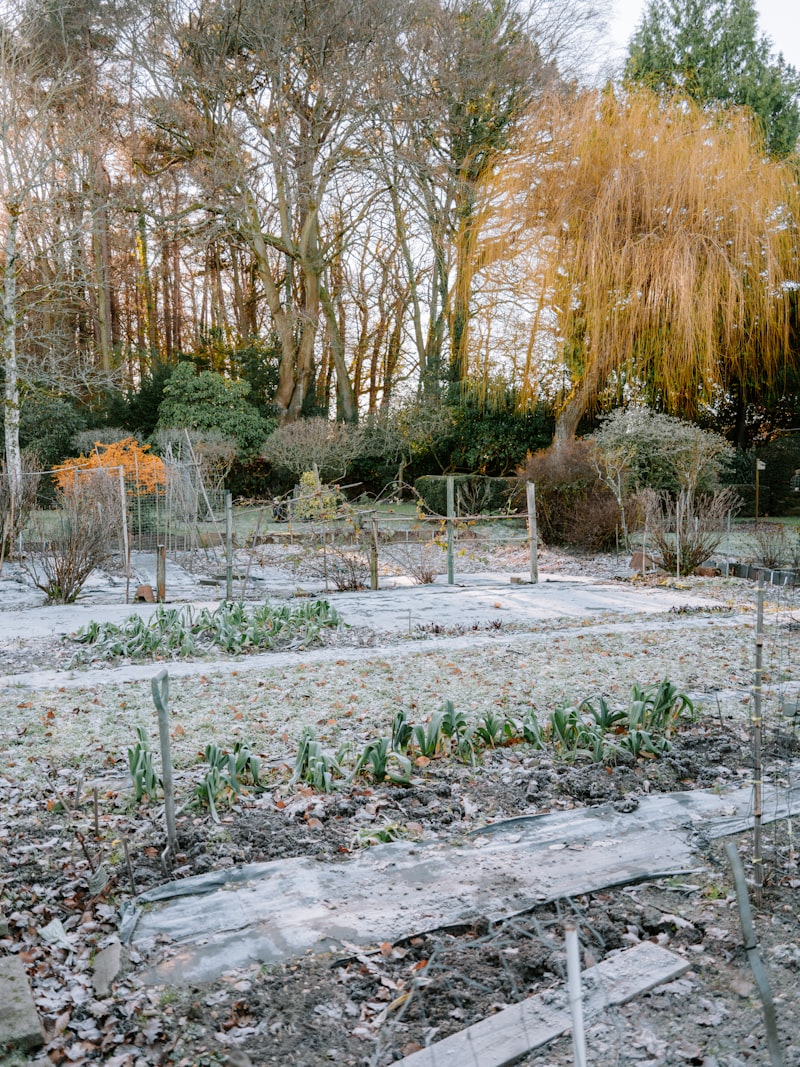
Zone Overview
Monthly Planting Calendar
| Month | Indoor Starts | Direct Sow | Transplant | Harvest |
|---|---|---|---|---|
| january | - | - | - | - |
| february | - | - | - | - |
| march | - | - | - | - |
| april | - | - | - | - |
| may | - | - | - | - |
| june | - | - | - | - |
| july | - | - | - | - |
| august | - | - | - | - |
| september | - | - | - | - |
| october | - | - | - | - |
| november | - | - | - | - |
| december | - | - | - | - |
Best Plants for Zone 7a
Vegetables
Example Zip Codes in Zone 7a
What Is USDA Zone 7a?
USDA Hardiness Zone 7a encompasses areas with average minimum winter temperatures between 0 and 5 degrees Fahrenheit. This zone marks a significant transition in American gardening, where the possibilities expand dramatically into warm-climate territory while still maintaining enough winter cold for temperate plants that need dormancy. Zone 7a stretches across parts of the upper South, mid-Atlantic, Pacific Northwest, and the Southwest. It includes major gardening regions in Virginia, North Carolina, Tennessee, and Arkansas. Crepe myrtles become reliable landscape trees in Zone 7a, gardenias can survive with modest protection, and fig trees produce abundantly without elaborate winterizing. The growing season of 180 to 210 days allows for two full rounds of many vegetable crops and makes year-round gardening practical for dedicated growers. This zone is a gardener's paradise where both northern and southern plants can coexist in the same landscape.
Growing Season in Zone 7a
Zone 7a's growing season extends from mid-March through mid-November, providing over six months of warm-season gardening plus additional months of cool-season production. Spring arrives early, with cool-season crops going in the ground in late February or early March. Warm-season transplants can be planted by late March or early April, and heat-loving crops like sweet potatoes, okra, and watermelon go in by May. The summer months are hot and productive, with careful attention to watering needed as temperatures rise. Fall gardening is superb in Zone 7a, with crops planted in August and September producing well into November and December. Winter gardening is also possible with cold-hardy greens, root vegetables, and cover crops maintaining the garden's productivity year-round. Many Zone 7a gardeners maintain salad gardens through the entire winter using simple cold frames or unheated greenhouses.
Year-Round Gardening in Zone 7a
One of the greatest advantages of gardening in Zone 7a is the ability to grow food in every calendar month. The mild winters rarely produce ground-freezing cold that persists for more than a few days, which means cool-season crops like kale, spinach, lettuce, and root vegetables continue growing through the cooler months with minimal protection. Many Zone 7a gardeners maintain two distinct gardens: a warm-season garden running from April through September featuring tomatoes, peppers, squash, and corn, and a cool-season garden from October through March with brassicas, greens, and root crops. The transition periods in March and October are the busiest times, as one garden winds down and the other ramps up. Fall planting is actually more successful than spring planting for many crops in this zone, because the soil is warm from summer, rainfall increases, and pest pressure decreases as temperatures cool.
Managing Summer Heat in Zone 7a
While Zone 7a offers excellent growing conditions overall, summer heat can stress plants and gardeners alike. Afternoon temperatures above 90 degrees Fahrenheit cause tomato blossoms to drop without setting fruit, peppers to pause production, and lettuce to bolt to seed within days. Shade cloth rated at 30 to 50 percent reduces temperatures by 10 to 15 degrees and extends the productive season for heat-sensitive crops. Mulching becomes critical in summer. A 3 to 4 inch layer of straw, leaves, or wood chips reduces soil temperature by as much as 10 degrees, retains moisture between waterings, and prevents the soil surface from crusting. Drip irrigation on a timer ensures consistent moisture without wetting foliage, which reduces disease pressure during humid summer weather. Choose heat-tolerant varieties whenever possible: cherry tomatoes outperform beefsteaks in extreme heat, and Malabar spinach thrives where regular spinach surrenders.
Frequently Asked Questions
What can I plant in Zone 7a?
Zone 7a supports an extensive plant palette. All warm-season vegetables thrive here, plus southern favorites like okra, southern peas, and sweet potatoes. Fruit trees including peach, fig, and persimmon perform well. Ornamental options expand to include crepe myrtle, gardenia, and some camellia varieties.
When is the last frost in Zone 7a?
The last frost in Zone 7a typically falls between March 20 and April 10. The first fall frost arrives between October 15 and November 10, providing a generous growing season of 180-210 days. This allows for multiple successions of many crops and a very productive fall garden.
Can I garden year-round in Zone 7a?
Yes, Zone 7a is one of the best zones for year-round food production. Cool-season crops grow from October through March, and warm-season crops take over from April through September. With minimal frost protection like row covers or cold frames, you can harvest something from your garden in every month of the year. Plan your planting schedule around these two seasons for maximum productivity.
How often should I water in Zone 7a?
During summer, most vegetable gardens in Zone 7a need 1 to 1.5 inches of water per week, either from rain or irrigation. Water deeply two to three times per week rather than lightly every day. Drip irrigation is the most efficient method. In winter, natural rainfall usually provides adequate moisture for cool-season crops, but monitor soil moisture during dry spells. Mulching reduces watering needs by 30 to 50 percent.