Soil Types in Colorado
Colorado soils vary dramatically by elevation: Eastern Plains soils are dark, fertile mollisols formed under native grasslands; Front Range soils are typically alkaline (pH 7.5–8.2) clay loam, a challenge for home gardeners. The state soil is Nunn loam, a well-developed Eastern Plains grassland soil. Western Colorado has arid, alkaline soils similar to Utah. Elevation is the dominant variable — mountain soils at 10,000 ft differ vastly from Denver at 5,280 ft. Colorado spans USDA zones 4a through 7a. Enter your ZIP code above to find your exact soil type and planting guide across all 437 Colorado ZIP codes.
Soil Type Distribution
Hardiness Zones
Colorado spans USDA zones 4a through 7a.
Top Cities in Colorado
Soil Types in Colorado
Colorado has 437 ZIP codes in our database, spanning the Eastern Plains, the Front Range urban corridor, Rocky Mountain communities, and the Western Slope. Understanding your local soil type helps you choose the right plants and amendments for your garden.
USDA Hardiness Zones in Colorado
Colorado spans USDA hardiness zones 4a through 7a. Your hardiness zone determines which perennial plants will survive winter in your area. Enter your zip code above to find your exact zone and get personalized planting recommendations.
Colorado’s Mountain and Plains Soil Regions
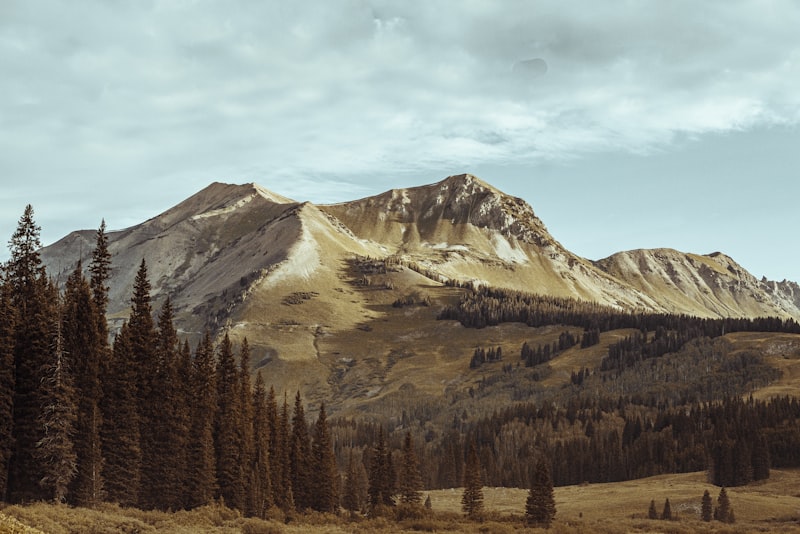
Colorado’s soils mirror its dramatic topography. The Eastern Plains — part of the Great Plains — feature deep, dark mollisols formed under native grasslands. These soils are naturally rich in organic matter and support dryland wheat and rangeland. Moving west, the Front Range urban corridor from Fort Collins to Pueblo sits on a mix of alluvial deposits and weathered sedimentary rock, typically alkaline with clay content that challenges home gardeners. The Rocky Mountain zone features thin, rocky alpine soils above treeline and deeper forest soils at mid-elevations. Western Colorado’s plateau country has arid desert soils similar to Utah and Arizona — alkaline, low in organic matter, and sometimes salty. Nunn loam, Colorado’s state soil, represents the Eastern Plains grassland soils and highlights the state’s agricultural heritage. Elevation is the dominant factor: soils at 5,000 feet differ vastly from those at 10,000 feet even when separated by just a few miles.
Growing Seasons and Frost Dates in Colorado
Colorado’s growing season is defined by altitude more than latitude. Denver at 5,280 feet averages about 155 frost-free days, with the last spring frost near May 5 and first fall frost around October 7. Colorado Springs sees similar timing. Fort Collins at the northern Front Range has a slightly shorter season of 145 days. Mountain towns face severe limitations: Breckenridge at 9,600 feet may get frost any month of the year and averages just 50-60 reliable growing days. Grand Junction on the Western Slope enjoys the state’s mildest conditions, with about 180 frost-free days thanks to its lower elevation and desert climate. Colorado gardeners must also contend with intense UV radiation, sudden hail storms, and dramatic daily temperature swings of 30-40°F that stress plants. Season extension tools like cold frames, row covers, and hoop houses are standard equipment.
Best Crops for Colorado Soils
Colorado’s alkaline soils and intense sunshine favor certain crops. Root vegetables — carrots, beets, potatoes, onions — excel in the state’s loose, well-drained soils and cool nights. The San Luis Valley produces much of the nation’s potato crop. Palisade peaches from the Western Slope are legendary, thriving in the region’s warm days and mineral-rich soils. Along the Front Range, tomatoes, peppers, and squash succeed with drip irrigation and season extension. Herbs like lavender, rosemary, and thyme appreciate Colorado’s alkaline, low-humidity conditions. At higher elevations, cold-hardy crops like kale, lettuce, spinach, peas, and radishes are the safest choices. Colorado’s dry climate reduces fungal disease pressure, which is a genuine advantage for organic gardening.
Soil Testing and Amendment in Colorado
Colorado State University operates a soil, water, and plant testing laboratory accessible through county extension offices. A standard soil test costs about $35. Most Front Range soils test alkaline (pH 7.5-8.2) with adequate potassium but low nitrogen and phosphorus. Adding elemental sulfur can gradually lower pH, but Colorado’s calcareous soils resist pH change — choosing alkaline-tolerant plants is often more practical. Organic matter is universally low in Colorado soils, so incorporating compost at 2-4 inches per season makes a measurable difference in water retention and nutrient availability. Clay soils along the Front Range expand and shrink dramatically, creating challenges for foundations and tree roots. Gypsum helps flocculate clay particles, and avoiding working clay soil when wet prevents compaction.