Chalk Soil: Complete Gardening Guide
Quick Answer — What is Chalk soil?
Chalk soil develops over geological formations of chalk or limestone bedrock and is characterized by its alkaline pH and high calcium carbonate content. You can identify chalk soil by its pale, whitish appearance and the frequent presence…
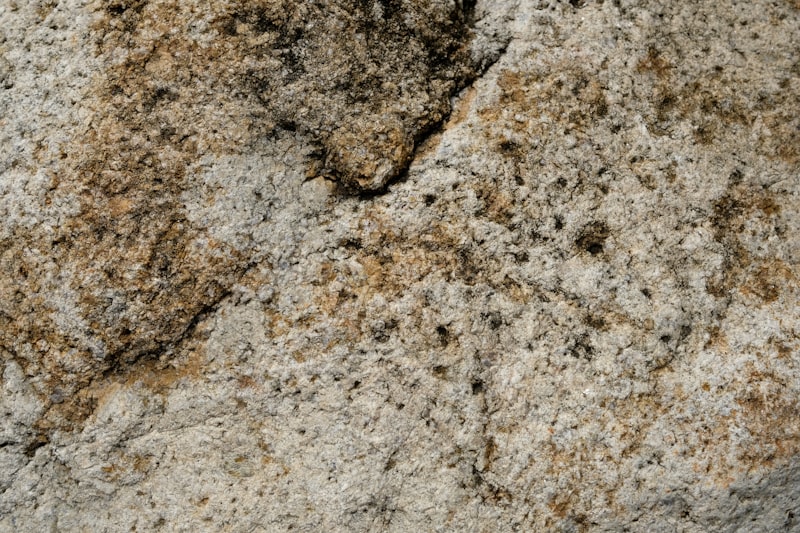
Soil Composition
Characteristics
| Texture | Stony, pale, often with visible white chalk or limestone fragments |
|---|---|
| Drainage | Good to excessive; water drains through chalk layer quickly |
| Water Retention | Low to moderate |
| Nutrient Retention | Moderate; some nutrients become unavailable at high pH |
| Workability | Moderate; can be stony and shallow |
| Compaction Risk | Low to moderate |
| Erosion Risk | Low |
Pros & Cons
Advantages
- Free-draining prevents waterlogging and root rot
- High calcium content strengthens plant cell walls
- Naturally suppresses certain soil-borne diseases
- Many beautiful ornamental plants thrive in alkaline conditions
- Good structural stability
Challenges
- High alkalinity causes iron and manganese deficiency (chlorosis) in many plants
- Often shallow soil over bedrock limits root depth
- Can be very stony and difficult to dig
- Dries out quickly in summer
- Limits plant selection to alkaline-tolerant species
- Phosphorus becomes locked up and unavailable at high pH
What Is Chalk Soil?
Chalk soil develops over geological formations of chalk or limestone bedrock and is characterized by its alkaline pH and high calcium carbonate content. You can identify chalk soil by its pale, whitish appearance and the frequent presence of chalk or limestone fragments mixed throughout. When you pour vinegar on chalk soil, it fizzes visibly due to the chemical reaction with calcium carbonate. Chalk soils are found across specific regions of the United States, particularly in parts of Texas, Kansas, Nebraska, Alabama, and Mississippi where limestone bedrock lies close to the surface. The depth of chalk soil varies considerably, from just a few inches of soil over solid rock to several feet of chalky loam. This depth matters enormously for gardening because shallow chalk soils severely limit root development and water storage. Despite its challenges, chalk soil supports a distinctive and beautiful range of plants. Many wildflowers, ornamental grasses, and Mediterranean herbs have evolved specifically for alkaline, free-draining conditions.
Chalk Soil for Vegetable Gardens
Growing vegetables in chalk soil requires understanding which crops tolerate or prefer alkaline conditions and which will struggle no matter what you do. Brassicas like cabbage, cauliflower, and broccoli actually benefit from the high calcium content, which helps prevent clubroot disease. Spinach, beets, and asparagus are naturally alkaline-tolerant and produce well in chalk gardens. Lettuce, peas, beans, and onions also manage fine as long as the soil is deep enough and moisture is adequate. The crops to avoid are acid-loving plants and those sensitive to iron chlorosis. Potatoes tend to develop scab in alkaline soils, and their yields drop significantly above pH 7.5. For the widest vegetable selection, consider building raised beds and filling them with imported topsoil amended with compost. This gives you complete control over pH and depth while the free-draining chalk underneath prevents waterlogging. Alternatively, focus on the many excellent vegetables that naturally thrive at higher pH levels.
How to Improve Chalk Soil
Improving chalk soil focuses on three goals: deepening the growing layer, increasing organic matter, and managing the high pH. Adding 3 to 4 inches of compost annually is the single most impactful action you can take. Organic matter deepens the soil, improves moisture retention, and provides a buffer that helps moderate the alkalinity in the root zone. Over time, decomposing organic matter produces mild organic acids that gently lower pH in the immediate area. For plants that need lower pH, elemental sulfur can be applied to gradually acidify the soil. However, in chalk soils, this is an ongoing battle because the calcium carbonate continuously neutralizes the acid. It is often more practical to choose plants adapted to alkaline conditions rather than fighting the soil chemistry. Address nutrient lockout by using chelated micronutrient supplements, especially iron and manganese. The EDDHA form of iron chelate is specifically designed to remain available at high pH levels. Regular foliar feeding with seaweed extract provides trace minerals directly to the leaves, bypassing the alkaline soil entirely.
What Is Chalky Soil
Chalky soil is underlain by calcium carbonate bedrock — limestone or chalk deposits that formed from ancient seabeds. The soil above the bedrock is typically thin, often just six to twelve inches deep, and filled with white or pale stone fragments. Chalky soil is always alkaline, with pH values ranging from 7.5 to 8.5, because the calcium carbonate continuously buffers the soil against acidification. This high pH is the defining characteristic that determines what you can and cannot grow. Iron, manganese, and phosphorus become less available to plants in alkaline conditions, leading to yellowing leaves (chlorosis) in acid-loving species. However, many plants are perfectly adapted to alkaline conditions and actually prefer chalky ground.
Gardening Challenges and Solutions on Chalk
The two biggest challenges with chalky soil are shallow depth and high pH. For shallow soil, the solution is simple: add more. Build up your topsoil by importing compost, rotted manure, and leaf mold. Each year, add three to four inches of organic material on top and let earthworms incorporate it. Over time, you create a deeper, richer growing layer above the chalk bedrock. For high pH, do not fight it — work with it. Attempting to acidify chalky soil with sulfur or acidifying fertilizers is a losing battle because the underlying chalk continuously neutralizes any acid you add. Instead, choose plants that thrive in alkaline conditions. If you absolutely must grow acid-loving plants like blueberries or rhododendrons, grow them in large containers filled with ericaceous compost rather than battling the native soil.
Plants That Love Chalky Soil
Many of the most beautiful garden plants evolved on limestone hillsides and are naturally suited to chalk. Lavender, rosemary, thyme, sage, and other Mediterranean herbs thrive in the alkaline, well-drained conditions. Clematis is the classic chalk-garden climber — the old saying goes, plant clematis with its feet in chalk and its head in the sun. Dianthus, scabious, campanula, and geranium are traditional cottage-garden perennials that prefer alkaline soil. For shrubs, try buddleia (butterfly bush), deutzia, philadelphus (mock orange), lilac, and box. Beech, yew, hornbeam, and field maple are excellent trees for chalk. In the vegetable garden, brassicas (cabbage family) do particularly well because the high calcium content suppresses club root disease, their worst enemy.
Chalky Soil Regions in the United States
While chalk is more commonly associated with English downs and French champagne country, the United States has significant limestone and chalk soils in several regions. The Texas Hill Country sits on Edwards Limestone and produces classic chalky garden conditions. The Ozark Plateau spanning Missouri, Arkansas, and Oklahoma has extensive limestone soils. Central Kentucky's Bluegrass region is built on Ordovician limestone, producing the calcium-rich soils that grow world-famous thoroughbred horses and bourbon. Parts of Florida, Indiana, Iowa, and the Great Valley of Virginia also feature limestone-derived soils. If you can see white rock fragments in your soil or your water leaves white scale deposits on faucets, you likely have a form of chalky or limestone soil.
Best Plants for Chalk Soil
Recommended Amendments
Gradually lowers pH over time for less alkaline conditions
Adds organic matter and has a mild acidifying effect
Corrects iron chlorosis in alkaline conditions
Deepens the growing layer and improves moisture retention
Adds organic matter and nutrients while slightly acidifying
Frequently Asked Questions
What is chalk soil?
Chalk soil is an alkaline soil that forms over chalk or limestone bedrock. It contains a high percentage of calcium carbonate, which gives it a pale color and a pH typically between 7.2 and 8.5. Chalk soils are often shallow and stony, with pieces of white chalk or limestone visible throughout the soil profile.
Why do my plants turn yellow in chalk soil?
Yellowing leaves with green veins (interveinal chlorosis) is caused by iron deficiency, which is extremely common in chalk soils. The high pH locks up iron so plant roots cannot absorb it, even though iron may be present in the soil. Apply iron chelate (EDDHA form) as a soil drench or foliar spray for quick correction.
Can I grow fruit in chalk soil?
Many fruits grow well in chalk soil. Apples, pears, plums, and cherries on appropriate rootstocks do fine in alkaline conditions. Grapes actually prefer chalky soil, and some of the world's finest wine regions sit on chalk. Avoid acid-loving fruits like blueberries, raspberries, and cranberries unless you grow them in containers with ericaceous compost.
Can I lower the pH of chalky soil?
You can temporarily lower surface pH with sulfur or acidifying fertilizers, but the underlying chalk bedrock continuously re-alkalinizes the soil. For most gardens, it is more practical to choose alkaline-tolerant plants. For a few acid-loving specimens, grow them in containers with ericaceous compost. Adding organic matter helps make iron and other nutrients more available even at high pH.
Why are my plant leaves turning yellow in chalky soil?
Yellow leaves with green veins (interveinal chlorosis) in chalky soil are usually caused by iron deficiency. The high pH locks up iron in forms that roots cannot absorb. Treat it with chelated iron fertilizer applied as a foliar spray for quick results or worked into the soil for longer-term benefit. Sequestered iron products designed for alkaline soils are most effective.
Is chalky soil good for growing vegetables?
Chalky soil grows excellent brassicas, beans, peas, spinach, and lettuce. Root vegetables can struggle if the soil is shallow and stony — grow them in raised beds with imported topsoil. Avoid acid-loving crops like potatoes and blueberries unless you amend heavily. Build up organic matter to deepen the growing layer and improve moisture retention, which is chalky soil's other major limitation.