Soil Types in Nevada
Nevada is the driest state in the nation — its soils are alkaline desert profiles (pH 7.5–9.0) formed under extreme aridity. Most valley floors consist of alluvial sediment washed from basin-and-range mountains, low in organic matter and often salty. The state soil is Orovada silt loam, representing the arid northern basins. Nevada spans USDA hardiness zones 5a (eastern highlands) through 9b (Las Vegas). Enter your ZIP code above to find your local soil type, USDA zone, and planting guide across all 136 Nevada ZIP codes.
Hardiness Zones
Nevada spans USDA zones 5a through 9b.
Top Cities in Nevada
Soil Types in Nevada
Nevada has 136 ZIP codes in our database, spanning Las Vegas’s desert valley, the Reno–Carson City basin, and rural basin-and-range communities. Understanding your local soil type helps you choose the right plants and amendments for your garden.
USDA Hardiness Zones in Nevada
Nevada spans USDA hardiness zones 5a through 9b. Your hardiness zone determines which perennial plants will survive winter in your area. Enter your zip code above to find your exact zone and get personalized planting recommendations.
Nevada’s Desert Basin Soils
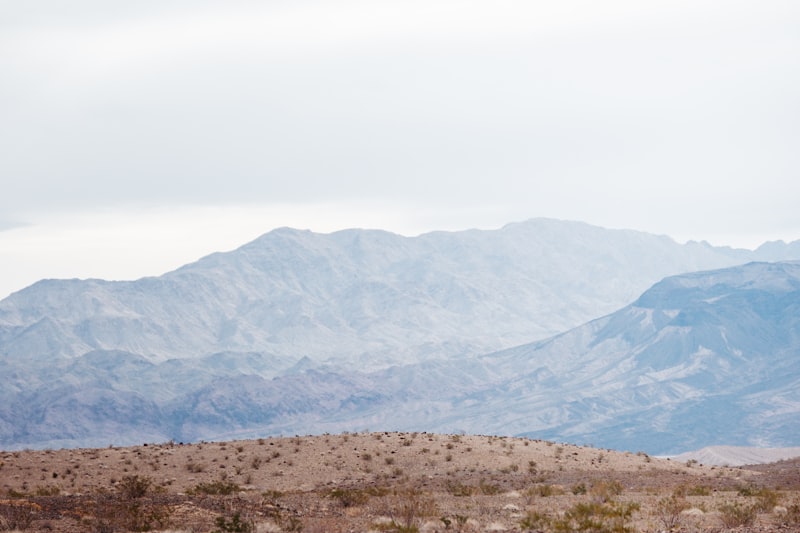
Nevada is the driest state in the nation, and its soils reflect extreme aridity. Most of the state consists of basin-and-range topography: parallel mountain ranges separated by flat, dry valleys filled with alluvial sediment washed down from the peaks. Valley floor soils are typically alkaline (pH 7.5–9.0), low in organic matter (often less than 0.5%), and may contain significant salt accumulations. Orovada silt loam, the state soil, is found in the north-central basins and represents the arid rangeland soils that cover most of Nevada. The Las Vegas Valley has caliche layers similar to Arizona. The few agricultural areas — the Truckee Meadows near Reno, the Carson Valley, and the Lahontan Valley — have irrigated alluvial soils that support alfalfa, onions, and livestock. Mountain soils at higher elevations are better developed with more organic matter but remain relatively thin.
Growing Seasons and Frost Dates in Nevada
Nevada’s growing conditions vary enormously by elevation. Las Vegas at 2,000 feet averages about 260 frost-free days, with the last frost around February 20 and first frost in late November. However, summer temperatures frequently exceed 110°F, creating a heat dormancy that limits vegetable production from June through August. Reno at 4,500 feet has about 145 frost-free days — last frost near May 10, first frost around October 3. Carson City is similar. Elko at 5,100 feet has just 100–110 frost-free days. Like Arizona, southern Nevada has two planting seasons: fall-to-spring for cool crops and brief spring and fall windows for warm crops. Northern Nevada follows a more conventional short-season approach.
Best Crops for Nevada’s Climate
Gardening in Nevada requires working within the constraints of extreme aridity and often poor native soil. In Las Vegas, winter gardening from October through March is the primary productive season — lettuce, broccoli, peas, and root vegetables grow well in the mild winter. Desert-adapted crops like tepary beans and Armenian cucumber handle the heat. In northern Nevada, the shorter season suits cool crops: potatoes, lettuce, peas, beans, and short-season tomatoes. Herbs thrive in Nevada’s dry conditions — rosemary, lavender, thyme, and oregano love the heat and alkaline soils. Raised beds with imported soil are the most practical approach statewide, allowing gardeners to control soil quality rather than struggling with native desert soils.
Soil Improvement and Water Conservation in Nevada
The University of Nevada Cooperative Extension provides soil testing and gardening guidance adapted to desert conditions. Water conservation is the primary concern — Nevada’s annual rainfall ranges from 4 inches in the south to 12 inches in the north, making efficient irrigation mandatory. Drip irrigation with thick mulch is standard practice. Organic matter decomposition is extremely slow in the arid climate, which means amendments persist longer but also build up more slowly. Desert gardeners benefit from hugelkultur or deeply dug beds with buried organic material that retains moisture at the root zone. Salt management is critical: periodic deep watering flushes accumulated salts below the root zone. Gypsum can help displace sodium in sodic soils.