Soil Types in New Mexico
New Mexico soils are predominantly alkaline (pH 7.5-8.5) across elevations ranging from 2,840 feet at the Rio Grande to 13,161 feet at Wheeler Peak. The Rio Grande Valley has fertile alluvial soils irrigated for Hatch green chile, pecans, and alfalfa. The high desert rangeland of central New Mexico features Penistaja sandy loam — the state soil. Eastern plains have calcareous soils similar to the Texas Panhandle. Most of the state receives 8-15 inches of annual rainfall, making drip irrigation essential for gardens. New Mexico spans USDA zones 5b through 8b. Enter your ZIP code above to find your local New Mexico soil type and hardiness zone.
Hardiness Zones
New Mexico spans USDA zones 5b through 8b.
Top Cities in New Mexico
Soil Types in New Mexico
New Mexico has 267 zip codes in our database spanning elevations from 2,840 feet near Texas to 13,161 feet at Wheeler Peak. New Mexico soils range from productive Rio Grande alluvial soils to alkaline high desert rangeland and calcareous eastern plains. Understanding your local soil type helps you choose the right plants and amendments for your garden.
USDA Hardiness Zones in New Mexico
New Mexico spans USDA hardiness zones 5b through 8b. Your hardiness zone determines which perennial plants will survive winter in your area. Enter your zip code above to find your exact zone and get personalized planting recommendations.
New Mexico's Desert and Mountain Soils
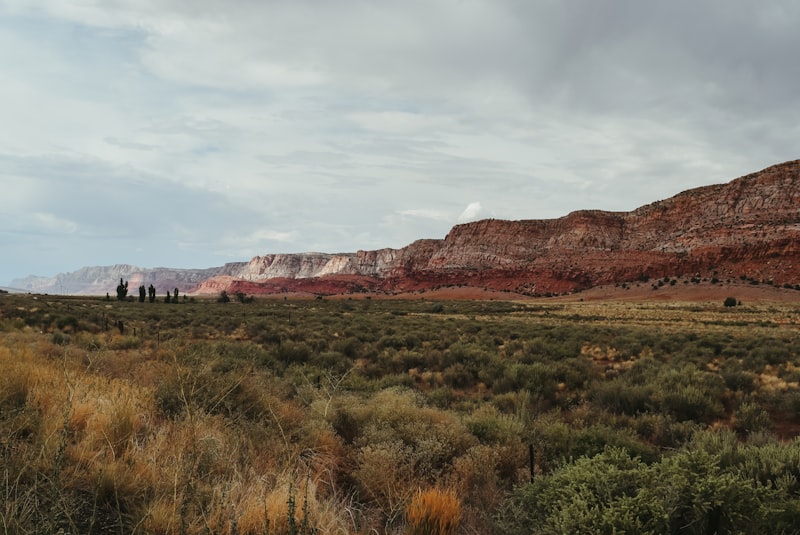
New Mexico's soils range from high desert to alpine, reflecting elevation changes from 2,840 feet at the Rio Grande near Texas to 13,161 feet at Wheeler Peak. The Rio Grande Valley is the agricultural heartland, with alluvial soils deposited by the river over millennia — these irrigated soils support chile peppers, alfalfa, and pecans. The high plains of eastern New Mexico have deep, calcareous soils similar to the Texas Panhandle, used for cattle ranching and dryland farming. The volcanic regions around Albuquerque and Grants have basaltic soils enriched with minerals. Penistaja sandy loam, the state soil, represents the high desert rangeland that covers much of the state. Western New Mexico's plateau country has thin desert soils over sandstone, while the southern Chihuahuan Desert features rocky, alkaline soils with low organic matter.
Growing Seasons and Frost Dates in New Mexico
New Mexico's growing conditions are dictated primarily by elevation. Las Cruces in the south at 3,900 feet enjoys about 210 frost-free days, with the last frost around March 20 and first frost in late October. Albuquerque at 5,000 feet averages 185 days. Santa Fe at 7,000 feet has about 155 days, with the last frost near May 1 and first frost by mid-October. Taos at 6,900 feet is similar. Mountain communities above 8,000 feet may have fewer than 100 frost-free days. New Mexico's arid climate means intense daytime solar radiation but rapid nighttime cooling — daily temperature swings of 30-40°F are common, which stresses some plants but concentrates sugars and flavor in others.
Best Crops for New Mexico Soils
New Mexico is the chile capital of the United States, and the state's soils and climate produce peppers of exceptional flavor. Hatch green chile from the Mesilla Valley is a culinary icon, thriving in the Rio Grande's alluvial soils with warm days and cool nights. Pecans from the southern Rio Grande Valley make New Mexico the second-largest pecan producer after Georgia. For home gardens, chile peppers, tomatoes, squash, beans, and corn — the traditional three sisters of indigenous agriculture — grow well statewide at appropriate elevations. Lavender, garlic, and herbs love the dry, alkaline conditions. At higher elevations, cool-season crops like lettuce, peas, and root vegetables produce excellent quality. Traditional acequia-irrigated farms in northern New Mexico have grown food in the same soils for over 400 years.
Water and Soil Management in New Mexico
The New Mexico State University Cooperative Extension provides soil testing and is the definitive resource for gardening in the state's diverse conditions. Water is the limiting factor everywhere: most of New Mexico receives 8-15 inches of annual rainfall, with monsoon thunderstorms in July and August providing a significant but unreliable portion. Efficient irrigation is essential — drip systems paired with heavy mulch are standard. Most soils are alkaline (pH 7.5-8.5), and adding sulfur or acidifying fertilizers helps plants that prefer lower pH. Caliche is common in southern New Mexico and must be broken through or built over for tree planting. The Rio Grande Valley's alluvial soils are naturally productive but may accumulate salts from irrigation — periodic deep leaching with quality water addresses this.