Sandy Soil: Complete Gardening Guide
Quick Answer — What is Sandy soil?
Sandy soil is composed primarily of large mineral particles ranging from 0.05 to 2 millimeters in diameter. These comparatively large particles create big air spaces between them, which is why water drains through sandy soil so quickly.…
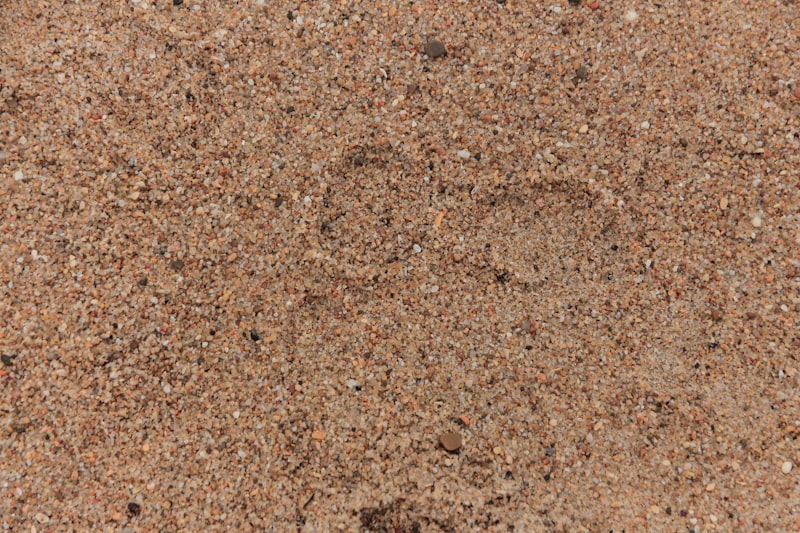
Soil Composition
Characteristics
| Texture | Gritty, loose, crumbly; does not hold shape when squeezed |
|---|---|
| Drainage | Excellent (often excessive) |
| Water Retention | Very low |
| Nutrient Retention | Low |
| Workability | Very easy to dig and cultivate year-round |
| Compaction Risk | Very low |
| Erosion Risk | High (wind), Moderate (water) |
Pros & Cons
Advantages
- Excellent drainage prevents waterlogging and root rot
- Warms up quickly in spring for early planting
- Very easy to work and dig at any time
- Roots penetrate easily for strong plant development
- Low compaction risk even with heavy foot traffic
Challenges
- Nutrients leach out quickly requiring frequent fertilization
- Dries out rapidly in summer heat
- Requires more frequent watering
- Low organic matter content
- Prone to wind erosion
- Acidic tendency in high-rainfall areas
What Is Sandy Soil?
Sandy soil is composed primarily of large mineral particles ranging from 0.05 to 2 millimeters in diameter. These comparatively large particles create big air spaces between them, which is why water drains through sandy soil so quickly. When you pick up a handful of sandy soil, it feels gritty and rough. If you try to squeeze it into a ball, it falls apart immediately because the particles do not bind together. Sandy soils are common along coastlines, in river floodplains, and in areas with ancient glacial deposits. The eastern seaboard from New Jersey south through Florida has extensive sandy soils, as do parts of Michigan, Wisconsin, and the desert Southwest. While sandy soil has a reputation for being poor garden soil, many highly prized crops actually prefer it. The key to success with sandy soil is understanding that you need to build up its organic matter content over time while choosing plants that thrive in well-drained conditions.
Sandy Soil for Vegetable Gardens
Sandy soil is a root vegetable gardener's dream. Carrots grow long, straight, and smooth without the forking and stunting that happens in heavy soils. Radishes, beets, and parsnips develop beautiful specimens. Potatoes and sweet potatoes produce clean tubers with minimal disease because the fast drainage prevents the soggy conditions that cause rot. Garlic and onion bulbs expand freely and cure well in sandy ground. Warm-season crops like peppers, tomatoes, and watermelons love how quickly sandy soil heats up in spring, giving them a head start on the growing season. The challenge is that sandy soil requires more frequent watering and feeding. Consider drip irrigation to deliver water consistently to the root zone without waste. Use slow-release organic fertilizers rather than synthetic ones, which wash out too quickly. Side-dress heavy feeders like tomatoes and peppers every three to four weeks through the growing season to keep them productive.
How to Improve Sandy Soil
Transforming sandy soil into productive garden ground centers on one mission: adding organic matter. Compost is your best friend. Spread 4 to 6 inches over the surface and work it into the top 12 inches of soil each year, ideally in fall so it has time to integrate before spring planting. Unlike clay soil improvement, which happens relatively quickly, building up sandy soil takes consistent annual effort. Peat moss or coconut coir mixed into planting holes can help bridge the gap while your soil builds up. Mulching is absolutely critical in sandy gardens. A 3 to 4 inch layer of straw, wood chips, or shredded leaves dramatically reduces water evaporation and adds organic matter as it decomposes. Cover cropping is another powerful strategy. Plant clover, winter rye, or buckwheat in beds that are resting, then till them under before they go to seed. Each cover crop cycle adds a layer of organic material directly into the soil profile where plant roots need it most.
Identifying Sandy Soil
Sandy soil is the easiest texture to identify. Pick up a handful and you will feel the individual gritty particles between your fingers. When moist, sandy soil will not hold a ball shape — it crumbles and falls apart immediately. In the jar test, sand settles within seconds and dominates the bottom layer, making up 70 percent or more of the total. Sandy soil is typically light in color — tan, pale brown, or even nearly white — because it lacks the dark humus that accumulates in finer-textured soils. Water disappears into sandy soil remarkably fast. If you pour a cup of water on bare sand, it soaks in within seconds rather than sitting on the surface as it would with clay. Coastal areas, ancient riverbeds, glacial outwash plains, and desert margins are the most common places to find sandy soil.
The Nutrient Challenge in Sandy Soil
Sand particles have almost no ability to hold nutrients because they lack the electrical surface charge that clay particles use to attract and retain fertilizer ions. Nitrogen, potassium, and most micronutrients leach through sandy soil quickly, often passing below the root zone after just one or two heavy rains. This means you need to fertilize differently than on heavier soils. Instead of one large application in spring, use small, frequent doses throughout the growing season — a technique called spoon feeding. Slow-release organic fertilizers like composted manure, bone meal, and kelp meal are ideal because they break down gradually. Synthetic quick-release fertilizers work for a fast boost but waste money on sandy soil because they wash away before plants can use them fully. The long-term solution is building organic matter, which acts as a nutrient sponge that mimics what clay does naturally.
Transforming Sandy Soil Over Time
You cannot change sand into loam overnight, but you can dramatically improve sandy soil within two to three growing seasons. The key ingredient is organic matter in every form you can get. Compost, aged manure, leaf mold, grass clippings, shredded newspaper, and cover crop residue all contribute. Work in three to four inches of compost each spring and maintain a thick mulch layer year-round. The mulch breaks down from the bottom, continuously feeding the soil. Cover crops are a sandy-soil gardener's best friend. Deep-rooted species like daikon radish and alfalfa pull nutrients up from below and deposit them in the root zone when they decompose. Legume cover crops add nitrogen for free. After three years of this regimen, you will notice the soil holds water longer, feels darker, and supports healthier plants. After five years, you will wonder why you ever complained about sandy soil.
What Grows Best in Sandy Soil
Plenty of crops actually prefer sandy soil. Root vegetables like carrots, radishes, parsnips, and beets develop straight, beautiful roots without the forking and deformation common in heavier soils. Potatoes produce cleaner tubers with fewer scab problems. Herbs from the Mediterranean — rosemary, thyme, lavender, sage, and oregano — thrive in the sharp drainage that mimics their native rocky hillsides. Watermelon, cantaloupe, and other cucurbits love the warm, well-drained conditions. Asparagus and strawberries establish excellent root systems in sand. For ornamentals, think coastal and prairie plants: sea holly, Russian sage, coneflower, black-eyed Susan, and ornamental grasses. Cacti and succulents are obvious choices for sandy soil in arid climates.
Best Plants for Sandy Soil
Recommended Amendments
Dramatically improves water and nutrient retention
Increases water-holding capacity significantly
Absorbs and slowly releases water and nutrients
Adds organic matter and slow-release nutrients
Adds organic matter and fixes nitrogen
Example Zip Codes with Sandy Soil
Frequently Asked Questions
What grows best in sandy soil?
Root vegetables like carrots, radishes, and potatoes thrive in sandy soil because their roots can expand freely. Mediterranean herbs such as lavender, rosemary, and thyme love the sharp drainage. Watermelon, peppers, and garlic also perform excellently in sandy conditions.
How can I make sandy soil hold more water?
The most effective approach is adding large amounts of organic matter like compost, peat moss, or aged manure. Work 4 to 6 inches of compost into the soil each year. Mulching heavily (3-4 inches) also reduces evaporation dramatically. Over time, the organic matter acts like a sponge, holding water in the root zone.
Is sandy soil acidic or alkaline?
Sandy soil tends to be slightly acidic, typically ranging from pH 5.5 to 7.0. In areas with heavy rainfall, the pH can drop even lower because rainwater leaches alkaline minerals out of the large pore spaces. Regular soil testing every 2-3 years helps you monitor and adjust pH as needed with lime or sulfur.
How often should I water sandy soil?
Sandy soil needs water every one to two days during hot summer weather because it drains so quickly. Water deeply but briefly — about 15 to 20 minutes with drip irrigation or soaker hoses. Early morning watering reduces evaporation. Adding three inches of mulch and building organic matter over time will gradually reduce your watering frequency as the soil gains water-holding capacity.
Is sandy soil acidic or alkaline?
Sandy soil tends toward acidic in regions with moderate to high rainfall because basic minerals leach out easily. pH values of 5.5 to 6.5 are typical in the eastern US. In arid regions, sandy soil can be neutral to alkaline. Always test your specific soil rather than assuming, since pH varies widely depending on parent material and climate. Lime raises pH if needed, and sulfur lowers it.
Can I grow tomatoes in sandy soil?
Yes, tomatoes grow well in amended sandy soil. The key is adding plenty of compost at planting time and fertilizing regularly throughout the season since nutrients leach quickly. Tomatoes in sandy soil actually have fewer disease problems because the excellent drainage reduces the fungal issues common in heavy soil. Mulch heavily and water consistently for best results.