Soil Types in Arizona
Arizona soils split by elevation. Low desert valleys near Phoenix and Tucson feature alkaline desert soils (pH 7.5\u20138.5) with frequent caliche hardpan and less than 1% organic matter \u2014 Casa Grande sandy loam is the state soil. Above 5,000 feet around Flagstaff and the Mogollon Rim, soils shift to acidic forest loams and volcanic basalt. Decomposed granite soils appear in mid-elevation transition zones around Prescott. Enter your ZIP code above to find your local Arizona soil type and USDA hardiness zone.
Soil Type Distribution
Hardiness Zones
Arizona spans USDA zones 10a through 9b.
Top Cities in Arizona
Soil Types in Arizona
Arizona has 302 zip codes in our database. Soils split by elevation: alkaline desert sandy loam and caliche hardpan dominate the low desert valleys, while higher elevations above 5,000 feet feature acidic forest loams and volcanic soils. Understanding your local soil type helps you choose the right plants and amendments for your Arizona garden.
USDA Hardiness Zones in Arizona
Arizona spans USDA hardiness zones 10a through 9b. Your hardiness zone determines which perennial plants will survive winter in your area. Enter your zip code above to find your exact zone and get personalized planting recommendations.
Arizona's Desert and Mountain Soils
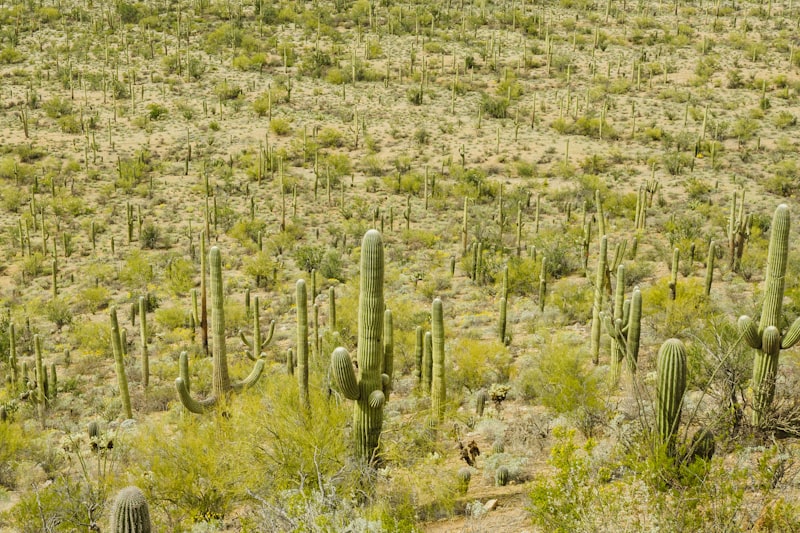
Arizona's soil landscape is shaped by extreme aridity and dramatic elevation changes. The low desert valleys around Phoenix and Tucson feature caliche — a hardened layer of calcium carbonate that can sit just inches below the surface, blocking root growth and drainage. Above this layer, desert soils tend to be alkaline (pH 7.5-8.5) with low organic matter content, often less than 1%. The state's official soil, Casa Grande sandy loam, typifies these desert conditions. At higher elevations in the Mogollon Rim and White Mountains, soils shift dramatically to acidic forest loams rich in organic matter. The volcanic soils near Flagstaff and Sunset Crater contain basaltic minerals that support ponderosa pine forests. Between these extremes, the transition zones around Prescott and Payson feature decomposed granite soils that drain quickly but struggle to retain nutrients.
Growing Seasons and Frost Dates in Arizona
Arizona effectively has two distinct growing calendars. In the low desert (Phoenix, Tucson), the growing season runs nearly year-round, but summer heat above 110°F creates a second dormancy from June through August when most vegetables fail. Desert gardeners plant cool-season crops from October through February and warm-season crops in March through May, then again in September. The last frost in Phoenix averages around February 5, with the first frost near December 15 — about 310 frost-free days. High-elevation areas tell a different story: Flagstaff at 7,000 feet averages just 100 frost-free days, with the last spring frost around June 1 and first fall frost by late September. Prescott splits the difference with roughly 160 growing days.
Best Crops for Arizona Soils
Desert gardening in Arizona requires working with alkaline soil rather than against it. Citrus trees — oranges, lemons, grapefruits — thrive in the low desert's warm winters and tolerate alkaline conditions well. Date palms along the Yuma corridor produce commercially significant harvests. For vegetable gardens, desert-adapted varieties of tomatoes, peppers, melons, and squash succeed when planted during the cooler windows. Native crops like tepary beans, devil's claw, and cholla buds have been cultivated in Arizona soils for centuries by indigenous farmers. At higher elevations, the cooler temperatures and more acidic soils support apples, potatoes, and cool-season vegetables similar to northern states. Raised beds filled with amended soil offer the most reliable results across all Arizona growing zones.
Soil Testing and Improvement in Arizona
The University of Arizona Cooperative Extension provides soil testing services through county offices. Because Arizona soils are typically alkaline, adding sulfur or acidifying fertilizers helps lower pH for acid-loving plants like blueberries and azaleas. Breaking through caliche may require a jackhammer or augur for tree planting — or simply building raised beds above it. Organic matter is the single most impactful amendment for desert soils: compost, aged manure, and mulch improve water retention, feed soil biology, and gradually moderate pH. Drip irrigation combined with thick mulch layers reduces water waste in the arid climate. For salty soils common in irrigated areas, periodic deep watering helps leach accumulated salts below the root zone.