Soil Types in Nebraska
Nebraska's soils divide into two distinct regions. The fertile eastern third features deep, dark mollisols -- formed under tallgrass prairie -- with 3-5% organic matter, rivaling Iowa's richest farmland and supporting intensive corn and soybean production. The central and western Sandhills cover 20,000 square miles of grass-stabilized sand dunes atop the vast Ogallala Aquifer. Nebraska's state soil is the Holdrege silt loam, a highly productive irrigated soil dominating the south-central loess plains. Nebraska spans USDA hardiness zones 5a-6a.
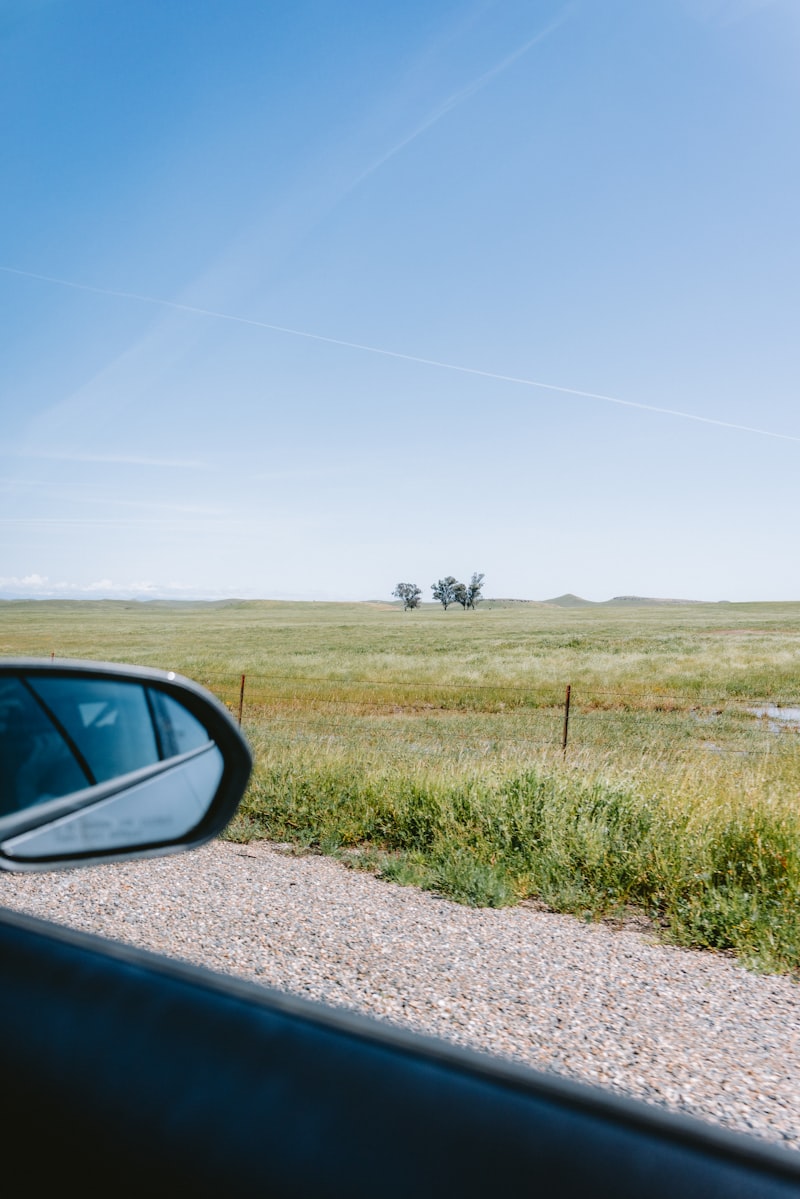
Hardiness Zones
Nebraska spans USDA zones 5a through 6a.
Top Cities in Nebraska
Soil Types in Nebraska
Nebraska has 560 zip codes in our database. The most common soil types are silt loam and loam, with the Holdrege silt loam -- the state soil -- dominating the south-central loess plains. Understanding your local soil type helps you choose the right plants and amendments for your garden.
USDA Hardiness Zones in Nebraska
Nebraska spans USDA hardiness zones 5a through 6a. Your hardiness zone determines which perennial plants will survive winter in your area. Enter your zip code above to find your exact zone and get personalized planting recommendations.
Nebraska's Prairie and Sandhills Soils
Nebraska's soils tell two distinct stories. The eastern third of the state has deep, dark prairie mollisols similar to Iowa -- formed under tall-grass prairie with organic matter content of 3-5%. These are among the most productive soils in the Great Plains, supporting intensive corn and soybean production. The central and western Sandhills region is unique: 20,000 square miles of grass-stabilized sand dunes sitting atop the massive Ogallala Aquifer. These sandy soils support cattle ranching but are too porous for conventional row crops. Holdrege silt loam, the state soil, represents the south-central Nebraska loess plains and is a highly productive irrigated farming soil. The Platte River Valley contains rich alluvial soils, and the Republican River region in the southwest has loess-covered plains.
Growing Seasons and Frost Dates in Nebraska
Nebraska's growing season decreases from southeast to northwest. Lincoln and Omaha in the east average about 170 frost-free days, with the last spring frost near April 20 and first fall frost around October 10. Grand Island in central Nebraska has about 155 days. Scottsbluff in the western Panhandle has 130-140 days. The Sandhills region averages about 140 days but is highly variable due to the open landscape and lack of urban heat effects. Nebraska summers are hot -- July temperatures regularly exceed 95°F in the south -- which is excellent for corn growth. The state's continental climate brings dramatic temperature swings and occasional late spring freezes that can catch gardeners off guard.
Best Crops for Nebraska Soils
Nebraska is the nation's third-largest corn producer and grows significant soybeans, wheat, and sugar beets. The state's deep prairie soils produce exceptional sweet corn, tomatoes, peppers, melons, and squash for home gardens. Root crops -- potatoes, carrots, beets -- perform beautifully in the loess soils' fine, silt-dominated texture. Nebraska's hot summers make watermelon and cantaloupe reliable producers, particularly in the sandier soils of the Platte Valley. Cool-season crops planted in early spring and again in late summer take advantage of the shoulder seasons. Native plants like chokecherry, wild plum, and buffalo berry are adapted to Nebraska's climate and produce fruit for preserves.
Soil and Water Management in Nebraska
The University of Nebraska-Lincoln Soil and Plant Analytical Laboratory provides testing for about $18. Eastern Nebraska soils are generally near-neutral pH with excellent fertility, while western soils tend more alkaline. Irrigation is increasingly important: eastern Nebraska relies on rainfall supplemented by center-pivot irrigation from the Ogallala Aquifer, while western Nebraska is fully dependent on irrigation for crop production. For home gardens, mulching and drip irrigation conserve water effectively. Wind protection is important across the state -- Nebraska's flat terrain and persistent winds increase evapotranspiration. Shelterbelt tree plantings, a practice promoted since the Dust Bowl era, protect gardens and fields from drying winds.