Rocky Soil: Complete Gardening Guide
Quick Answer — What is Rocky soil?
Rocky soil is any soil where rock fragments, gravel, and stones make up a significant portion of the soil volume, typically 30 percent or more. The fine soil between the rocks can be sandy, loamy, or even clayey, but the rock content…
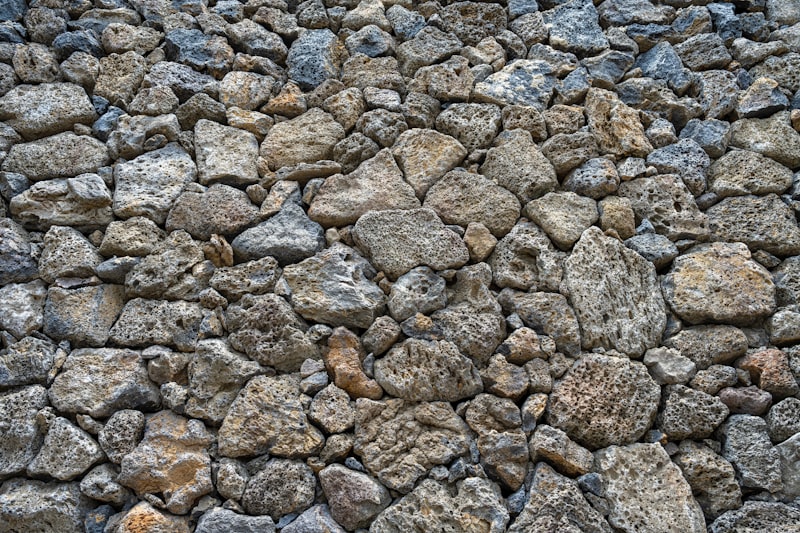
Soil Composition
Characteristics
| Texture | Coarse, chunky, with visible stones and gravel; fine soil between rocks |
|---|---|
| Drainage | Excellent to excessive |
| Water Retention | Very low |
| Nutrient Retention | Low |
| Workability | Very difficult; requires removing or working around stones |
| Compaction Risk | Low (rocks prevent it) |
| Erosion Risk | Low (rocks stabilize surface) |
Pros & Cons
Advantages
- Excellent drainage virtually eliminates waterlogging
- Rocks retain and radiate heat, extending growing season
- Thermal mass moderates root zone temperature swings
- Natural erosion resistance from rock weight
- Low compaction risk
- Some minerals leach from rocks into surrounding soil
Challenges
- Very difficult to dig and cultivate
- Limited soil depth restricts root development
- Low water retention requires frequent irrigation
- Low nutrient content in fine soil fraction
- Equipment and tools wear quickly on rocks
- Planting holes are laborious to prepare
What Is Rocky Soil?
Rocky soil is any soil where rock fragments, gravel, and stones make up a significant portion of the soil volume, typically 30 percent or more. The fine soil between the rocks can be sandy, loamy, or even clayey, but the rock content dominates the soil's behavior. Rocky soils form in mountainous regions, glacial deposits, areas of volcanic activity, and anywhere bedrock lies close to the surface. They are common throughout the Appalachian Mountains, the Rocky Mountains, New England, and much of the arid Southwest. The depth of usable soil above the rock layer varies from mere inches to a few feet. Rocky soils present obvious challenges for conventional gardening, but they also offer some surprising benefits. Rocks store heat from the sun during the day and release it at night, creating a warmer microclimate around plant roots. They provide excellent drainage and physical stability against erosion. Many of the world's most celebrated wine regions and herb-growing areas deliberately cultivate in rocky conditions.
Rocky Soil for Vegetable Gardens
Growing vegetables in rocky soil almost always involves creating a growing medium above or apart from the native rocky ground. Raised beds are the most popular and effective approach. Build frames at least 12 inches deep, ideally 18 inches, and fill them with a mixture of quality topsoil and compost. The rocky ground beneath actually serves as a natural drainage layer, preventing waterlogged roots. If building raised beds is not an option, you can create planting pockets by excavating individual holes, removing rocks, and backfilling with amended soil. This works well for large individual plants like tomatoes, peppers, and squash. For herbs, rocky soil can actually be advantageous. Rosemary, thyme, oregano, sage, and lavender all evolved in rocky Mediterranean landscapes and produce more intensely flavored leaves when grown in lean, rocky ground. If your property has rocky soil, consider dedicating the unimproved areas to a Mediterranean herb garden and building raised beds only where you want to grow vegetables.
How to Work with Rocky Soil
Rather than fighting rocky soil, the smartest approach is working with it. Start by mapping your property to identify areas with the deepest soil pockets between rock outcrops, as these are your best locations for in-ground planting. For areas you want to convert to gardens, evaluate whether removing rocks or building over them makes more sense. Importing topsoil and creating raised beds is usually faster and less back-breaking than excavating rocks. If you do need to dig, use a digging bar and heavy-duty spade rather than a rototiller, which will damage itself on hidden rocks. Build your soil up over the rocks by sheet mulching: lay cardboard directly on the rocky surface, then pile on 6 to 12 inches of a topsoil-compost mixture. Over time, earthworms and microbes will integrate this layer with the rocky ground below. For ornamental areas, embrace the rocks. Create rock gardens, alpine gardens, or xeriscaped beds that celebrate the natural landscape rather than trying to hide it.
Understanding Rocky Soil
Rocky soil is less a specific texture and more a condition — any soil type can be rocky. What defines it is the presence of significant stone fragments, cobbles, or bedrock within the root zone, typically the top 18 inches. Rocky soil forms where bedrock is close to the surface, in mountainous areas, on glacial moraines, and in regions where erosion has stripped away the finer topsoil. The actual soil between the rocks can be sandy, silty, or clay-based, and its character matters as much as the rocks themselves. Working in rocky soil is physically demanding — every time you dig, you hit stone. But rocky soil has genuine advantages that many gardeners overlook, and some of the world's finest gardens and vineyards are built on rock.
Advantages of Rocky Soil
Rocks are not just obstacles. They serve several useful functions in a garden. Stones absorb heat during the day and release it slowly at night, creating a warmer microclimate that extends the growing season in cold regions. This thermal mass effect is why Mediterranean vineyards on rocky hillsides produce ripe grapes at latitudes where they theoretically should not. Rocks also improve drainage by creating channels and voids where water flows downhill, preventing waterlogging around plant roots. In dry climates, a stone mulch reduces evaporation from the soil surface. Deep-rooted plants like grapevines, fig trees, and native prairie plants send their roots into crevices between rocks, accessing moisture and minerals that shallow-rooted plants cannot reach. Many of the most flavorful herbs, vegetables, and wine grapes come from rocky, stressed soils where plants concentrate sugars and flavor compounds.
Practical Strategies for Rocky Gardens
If digging is impractical because of dense rock, go up instead of down. Raised beds built on top of the rocky ground solve most problems. Use the rocks you excavate as bed borders — a free building material that looks natural and lasts forever. For in-ground planting, focus on pockets of deeper soil between rock outcrops. These natural niches often accumulate moisture and organic matter, creating surprisingly fertile microsites. When you do dig, use a digging bar or mattock rather than a spade. Remove rocks larger than your fist from the planting area but leave smaller stones in place — they help with drainage and thermal mass. Add compost generously to whatever soil exists between the rocks. In established rocky gardens, topdress with compost annually rather than trying to dig it in, and let earthworms do the incorporation work for you.
Best Plants for Rocky Soil
Many stunning plants are rock-dwellers by nature. Alpine plants, sedums, sempervivums (hens and chicks), and creeping thyme spread beautifully over and between rocks. Lavender, rosemary, santolina, and artemisia evolved on rocky Mediterranean hillsides. Native wildflowers like columbine, penstemon, and California poppy are adapted to thin, rocky soils. For food production, grape vines, fig trees, pomegranates, and olive trees are classic rocky-soil crops. Herbs are generally happier in rocky soil than rich loam because the drainage prevents root rot and the stress concentrates essential oils and flavor. For vegetables, use raised beds filled with imported soil and save the rocky ground for perennial food plants, fruit trees, and ornamentals that can send roots deep into the crevices.
Best Plants for Rocky Soil
Recommended Amendments
Creates a viable growing layer above the rocky substrate
Adds organic matter, moisture retention, and nutrients
Bypasses rocky conditions entirely for food production
Retains moisture in the thin soil layer
Frequently Asked Questions
Can you garden in rocky soil?
Yes, but it requires adaptation. Raised beds are the most practical solution for vegetables, as they provide a deep, stone-free growing layer above the rocks. For ornamental gardening, many beautiful plants thrive in rocky conditions, including sedums, lavender, thyme, and many alpine plants. Rock gardens can be stunning when designed with appropriate plants.
Should I remove rocks from my garden soil?
For vegetable beds, removing surface rocks and the top layer of rocky soil and replacing it with quality topsoil and compost is usually easier than picking out individual stones. For ornamental areas, leaving rocks in place and planting around them creates a naturalistic rock garden that requires less water and maintenance than conventional beds.
What vegetables grow in rocky soil?
Very few vegetables grow well directly in rocky soil. Herbs like thyme, rosemary, and oregano adapt well to rocky conditions. For real vegetable production, build raised beds at least 12 inches deep and fill them with a loam-compost mix. The rocks underneath actually help with drainage, making raised beds on rocky ground very effective.
How do I remove rocks from my garden?
For surface rocks, a landscape rake or rock hound attachment on a tractor works for large areas. For garden beds, dig by hand and pile rocks at the edge for use as bed borders, pathway edging, or decorative features. Do not try to remove all rocks from deep in the soil — focus on clearing the top 12 inches in your planting areas. Rocks below that depth actually benefit drainage and do not interfere with most plant roots.
Can I grow grass on rocky soil?
Growing a traditional lawn on rocky soil requires adding at least four to six inches of topsoil over the rocks. Without that depth, grass roots cannot establish properly and the lawn will thin out during drought. A better approach for rocky ground is to plant drought-tolerant ground covers like creeping thyme, clover, or sedges that need less soil depth and look attractive growing between exposed rocks.
Why is rocky soil common in my area?
Rocky soil appears where geological processes bring bedrock close to the surface. Glacial activity scraped soil away and deposited rock debris across New England and the northern Midwest. Mountain erosion leaves rocky residual soils in Appalachia, the Rockies, and the Ozarks. Ancient riverbeds and alluvial fans deposit cobble layers that become rocky garden soil. In older landscapes, millions of years of weathering can thin the soil layer over bedrock.