Soil Types in Massachusetts
Massachusetts soils reflect their glacial origin: the Connecticut River Valley has deep, fertile silt loams from ancient Lake Hitchcock, central highlands have rocky glacial till, and Cape Cod has nutrient-poor outwash sand. Paxton fine sandy loam is the state soil. All Massachusetts soils are naturally acidic and need regular liming.
Soil Type Distribution
Hardiness Zones
Massachusetts spans USDA zones 5b through 7b.
Top Cities in Massachusetts
Soil Types in Massachusetts
Massachusetts has 466 zip codes in our database. Soils range from the fertile Connecticut River Valley silt loams to rocky glacial till in the central highlands and sandy outwash on Cape Cod. Paxton fine sandy loam, the state soil, covers many of the state's upland hills. Understanding your local soil type helps you choose the right plants and amendments for your garden.
USDA Hardiness Zones in Massachusetts
Massachusetts spans USDA hardiness zones 5b through 7b. Your hardiness zone determines which perennial plants will survive winter in your area. Enter your zip code above to find your exact zone and get personalized planting recommendations.
Massachusetts' Glacial Legacy Soils
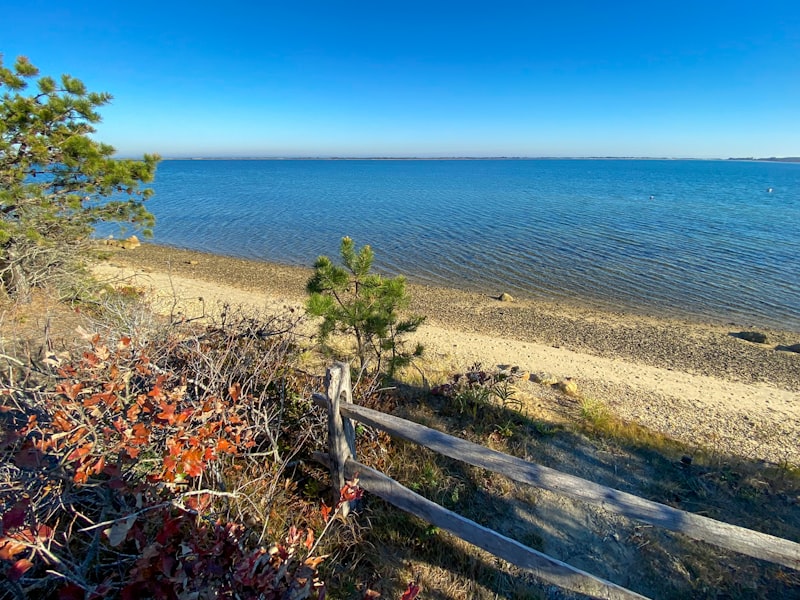
Massachusetts' soils are a direct product of the last Ice Age. Glaciers scoured the bedrock, then deposited a complex mixture of till, sand, gravel, and clay as they retreated. The Connecticut River Valley in western Massachusetts contains the state's best agricultural soils -- deep, fertile silt loams deposited by the ancient glacial Lake Hitchcock. The coastal areas feature outwash sand and marine deposits, while the central highlands have rocky, thin glacial till. Cape Cod and the Islands (Martha's Vineyard, Nantucket) are essentially glacial outwash and moraine -- deep sand with very low fertility. Paxton fine sandy loam, the state soil, is a well-drained upland soil formed in glacial till that covers many of the state's hills. Like all New England soils, Massachusetts' soils are naturally acidic and rocky.
Growing Seasons and Frost Dates in Massachusetts
Massachusetts' growing season ranges from about 130 days in the western hills to 200 days on the southeastern coast. Boston and coastal communities benefit from ocean moderation, with the last frost around April 10-15 and first frost in late October. The Connecticut River Valley near Springfield has about 165 days. The Berkshire Hills in the west see their last frost around May 10-15 and first frost by late September -- the shortest season in the state. Cape Cod's maritime climate delays spring warming but extends fall warmth, creating a season that starts late but ends late. Massachusetts gardeners are skilled season-extenders, and the state has a strong tradition of cold-climate growing techniques.
Best Crops for Massachusetts Soils
Massachusetts has a rich agricultural history despite challenging soils. The Connecticut River Valley grows excellent tobacco, onions, potatoes, and sweet corn in its deep alluvial soils. Cranberries are perhaps the state's most iconic crop -- grown in flooded bogs on Cape Cod and southeastern Massachusetts where acidic, sandy soils create perfect conditions. Apples remain commercially important, especially in the central and western counties. For home gardens, tomatoes (grown statewide with transplants), peppers, beans, squash, lettuce, and brassicas are reliable producers. Massachusetts' acidic soils support blueberries, strawberries, and raspberries without pH modification. Garlic and shallots planted in fall produce excellent bulbs in the state's mineral-rich glacial soils.
Soil Testing and Urban Growing in Massachusetts
The UMass Soil and Plant Nutrient Testing Laboratory provides comprehensive soil analysis for about $20. Given the state's industrial history, lead testing is particularly important in urban areas -- Springfield, Worcester, Lowell, and parts of Boston have documented soil contamination from historic manufacturing and leaded gasoline. The standard UMass test includes lead screening. Beyond contamination, the most common needs are lime to correct acidity and organic matter to improve the naturally thin, rocky soils. The state's vibrant community garden movement has developed expertise in urban soil remediation and raised bed growing that serves as a model for the region.