Soil Types in Utah
Utah soils are predominantly alkaline (pH 7.5-8.5) due to the arid climate and mineral-rich parent materials. The Wasatch Front has alluvial soils ranging from sandy loam near mountain fronts to clay in low valleys. Western Utah's Great Basin holds saline soils left by ancient Lake Bonneville. Southern Utah's canyon country features thin sandy soils over red sandstone. Mivida fine sandy loam is Utah's official state soil. Enter your ZIP code above to find your local Utah soil type and USDA hardiness zone.
Hardiness Zones
Utah spans USDA zones 4a through 8b.
Top Cities in Utah
Soil Types in Utah
Utah has 212 zip codes in our database. Soils vary from alkaline clay on valley floors to sandy loam on alluvial fans, with thin soils over sandstone in southern Utah's canyon country. Understanding your local soil type helps you choose the right plants and amendments for your garden.
USDA Hardiness Zones in Utah
Utah spans USDA hardiness zones 4a through 8b. Your hardiness zone determines which perennial plants will survive winter in your area. Enter your zip code above to find your exact zone and get personalized planting recommendations.
Utah's Desert Basin and Mountain Soils
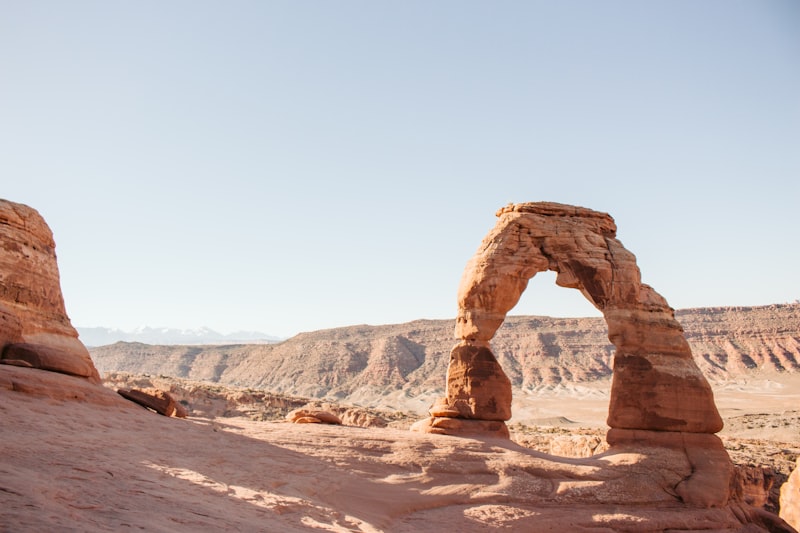
Utah's soils are dominated by its arid climate and dramatic topography. The Great Basin in western Utah has alkaline, salty soils — remnants of ancient Lake Bonneville, whose dried bed is now the Bonneville Salt Flats. The Wasatch Front, where most Utahns live, has alluvial soils washed down from the mountains into the valley floors. These soils vary from clay to sandy loam depending on distance from the mountain front. Southern Utah's red rock country has thin, alkaline soils over sandstone that support little beyond desert scrub. The high plateaus and mountains have deeper, more organic-rich soils at higher elevations. Mivida fine sandy loam, the state soil, represents the Colorado Plateau's desert soils. Utah's soils are almost universally alkaline due to low rainfall and calcareous parent materials.
Growing Seasons and Frost Dates in Utah
Utah's growing season is heavily influenced by elevation. St. George in the far southwest at 2,800 feet enjoys about 200 frost-free days — Utah's longest — with the last frost around March 25 and first frost in late October. Salt Lake City at 4,200 feet averages about 170 days, with the last frost near April 15 and first frost around October 10. Provo and Ogden are similar. Logan in the Cache Valley has a shorter 140-day season due to cold air pooling in the valley. Park City and other mountain communities may have fewer than 90 frost-free days. Utah's arid climate means virtually all gardens require irrigation, with annual rainfall ranging from 5 inches in the western desert to 15 inches along the Wasatch Front.
Best Crops for Utah Soils
Utah's best agricultural areas lie along the Wasatch Front and in irrigated valleys. Tart cherries from the northern Utah orchards are a significant crop. The state produces excellent onions, potatoes, and alfalfa. For home gardens, the combination of alkaline soil, intense sunshine, and dry air favors specific crops: tomatoes and peppers do well in the warm valleys with afternoon sun. Root vegetables, particularly carrots and beets, produce excellent quality in Utah's mineral-rich soils. Herbs like lavender, rosemary, and sage thrive in the alkaline, dry conditions. Melons love the heat and produce well with drip irrigation. Peach orchards in the Wasatch valleys benefit from the mountain-valley climate pattern.
Soil Testing and Water Management in Utah
Utah State University Analytical Laboratories provide soil testing for about $14-25. Most Utah soils test alkaline (pH 7.5-8.5) with adequate minerals but low nitrogen and organic matter. Iron chlorosis — yellowing of leaves due to iron lockout in alkaline soils — is one of the most common garden problems. Chelated iron fertilizers provide a quick fix, while sulfur amendments work more slowly. Organic matter is critically important: Utah's arid climate means natural organic matter levels are very low, and every addition of compost helps soil hold water and nutrients. Efficient irrigation is paramount — most Utah gardens need 1-2 inches of water per week, entirely from irrigation during the summer months. Drip irrigation under mulch is the most water-efficient approach.