Soil Types in North Dakota
North Dakota\u2019s soils rank among the most naturally fertile on Earth. The eastern Red River Valley \u2014 bed of ancient Glacial Lake Agassiz \u2014 holds deep black clay with 5%+ organic matter. The central Drift Prairie has productive glacial till mollisols. Western North Dakota\u2019s Missouri Plateau features thinner soils over sedimentary rock. Williams loam, the state soil, represents the wheat-growing plains. Most soils are near-neutral to slightly alkaline. Enter your ZIP code above to find your local North Dakota soil type and USDA hardiness zone.
Hardiness Zones
North Dakota spans USDA zones 3b through 4b.
Top Cities in North Dakota
Soil Types in North Dakota
North Dakota has 372 zip codes in our database. Soils range from the exceptionally fertile black clay of the Red River Valley in the east to glacial till mollisols in the central Drift Prairie and thinner soils over sedimentary rock in the west. Understanding your local soil type helps you choose the right plants and amendments for your North Dakota garden.
USDA Hardiness Zones in North Dakota
North Dakota spans USDA hardiness zones 3b through 4b. Your hardiness zone determines which perennial plants will survive winter in your area. Enter your zip code above to find your exact zone and get personalized planting recommendations.
North Dakota's Rich Prairie and River Valley Soils
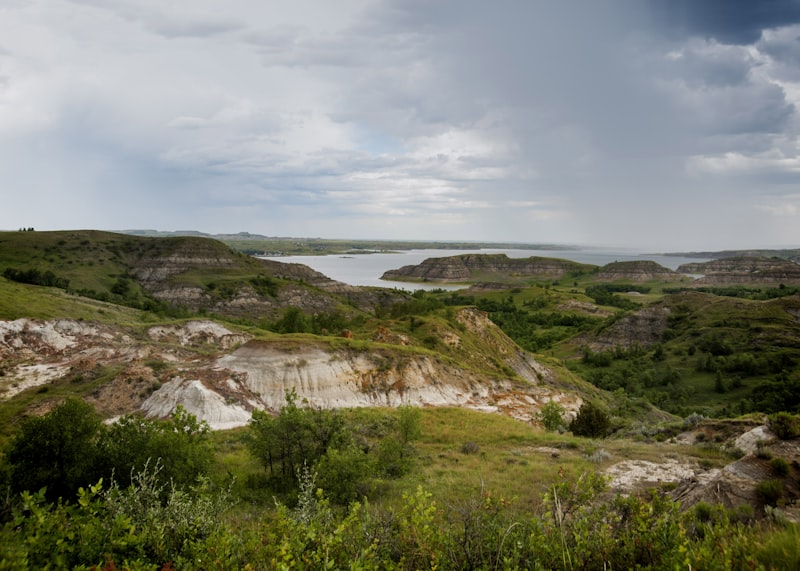
North Dakota's soils are among the most naturally fertile in the world. The eastern Red River Valley — a former glacial lake bed — has extremely flat, deep, black clay soils with organic matter content exceeding 5%. These heavy clay soils can be challenging to work but are enormously productive when properly managed. The Drift Prairie across central North Dakota has rolling glacial till with deep mollisols formed under mixed-grass prairie. Western North Dakota's Missouri Plateau has thinner, drier soils over sedimentary rock, including badlands formations with colorful but infertile bentonite clay. Williams loam, the state soil, is a well-drained northern prairie soil representative of the wheat-growing regions. The Missouri River Valley and its tributaries contain deep alluvial soils prized for irrigated agriculture.
Growing Seasons and Frost Dates in North Dakota
North Dakota has a short but intense growing season shaped by its northern latitude and continental climate. Fargo in the east averages about 135 frost-free days, with the last frost near May 10 and first frost around September 25. Bismarck in the center has about 130 days. Williston in the northwest has 120-125 days. These numbers may sound limiting, but North Dakota's long summer days — up to 16.5 hours of daylight in June — accelerate plant growth, partially compensating for the short season. Winters are severe, with temperatures dropping below -30°F regularly, but the snow cover insulates soil and protects underground structures from freezing too deeply.
Best Crops for North Dakota Soils
North Dakota is the nation's leading producer of spring wheat, durum wheat, sunflowers, flax, canola, dry beans, and lentils. The deep, fertile prairie soils make these crops exceptionally productive. For home gardens, potatoes are the safest bet — they love the cool climate and produce well in North Dakota's loamy soils. Peas, beans, lettuce, radishes, carrots, and beets are reliable cool-season performers. Short-season tomato varieties (under 60 days) can produce in protected locations. The Red River Valley's heavy clay grows excellent beets — the region supports a significant sugar beet industry. Sunflowers, both ornamental and edible, are a natural fit for home gardens and produce well in the prairie soils.
Soil Testing and Cold Climate Gardening
North Dakota State University Extension provides soil testing through the NDSU Soil Testing Laboratory for about $15-20. Most North Dakota soils have excellent natural fertility with near-neutral to slightly alkaline pH. The primary gardening challenge is the climate, not the soil. Season extension is critical: start seeds indoors 8 weeks before the last frost, use Wall O' Water protectors for tomatoes, employ row covers for frost protection, and choose varieties with the shortest maturity dates available. Cold frames and hoop houses extend the season significantly. The Red River Valley's heavy clay soil is difficult to work in spring — it stays wet and cold longer than lighter soils. Raised beds warm faster and drain better, giving northern gardens a critical head start.