Soil Types in New Hampshire
New Hampshire soils are shaped by glacial history, ranging from thin acidic mountain soils in the White Mountains to deeper valley loams along the Connecticut and Merrimack Rivers. Marlow fine sandy loam -- the state soil -- is a stony, moderately well-drained glacial till typical of the uplands. Soils are universally acidic (pH 4.5-5.5), spanning USDA zones 4a through 6b.
Hardiness Zones
New Hampshire spans USDA zones 4a through 6b.
Top Cities in New Hampshire
Soil Types in New Hampshire
New Hampshire has 230 zip codes in our database. Soils range from rocky White Mountain till to productive valley loams along the Connecticut and Merrimack Rivers. Marlow fine sandy loam -- the state soil -- is a stony, moderately well-drained glacial till found across the uplands. Understanding your local soil type helps you choose the right plants and amendments for your garden.
USDA Hardiness Zones in New Hampshire
New Hampshire spans USDA hardiness zones 4a through 6b. Your hardiness zone determines which perennial plants will survive winter in your area. Enter your zip code above to find your exact zone and get personalized planting recommendations.
New Hampshire's Mountain and Valley Soils
New Hampshire's soils are a legacy of the Ice Age, overlaid on some of the oldest rock in North America. The White Mountains in the north feature thin, acidic soils over granite bedrock, often strewn with glacial boulders. The Connecticut River Valley along the western border contains the state's best agricultural soils — deep, fertile alluvial deposits. The Merrimack Valley through central New Hampshire has productive glacial outwash soils that support farming and suburban development. Marlow fine sandy loam, the state soil, represents the upland glacial till found across much of the state — stony, acidic, and moderately well-drained. Southeastern New Hampshire near the coast has a mix of marine clay and glacial deposits. Like all of New England, New Hampshire soils are universally acidic, typically pH 4.5-5.5 in untreated ground.
Growing Seasons and Frost Dates in New Hampshire
New Hampshire's growing season ranges dramatically from south to north. The seacoast around Portsmouth averages about 170 frost-free days, with the last frost near April 25 and first frost in mid-October. Concord in the Merrimack Valley has about 145 days. The Upper Valley near Lebanon has 130 days. Northern areas near Berlin and the White Mountains may have fewer than 100 frost-free days, with frost possible into early June and returning by mid-September. New Hampshire's microclimates are pronounced — a valley bottom may have 30 fewer frost-free days than a nearby hillside due to cold air pooling. This affects garden placement significantly. Season extension is standard practice statewide.
Best Crops for New Hampshire Soils
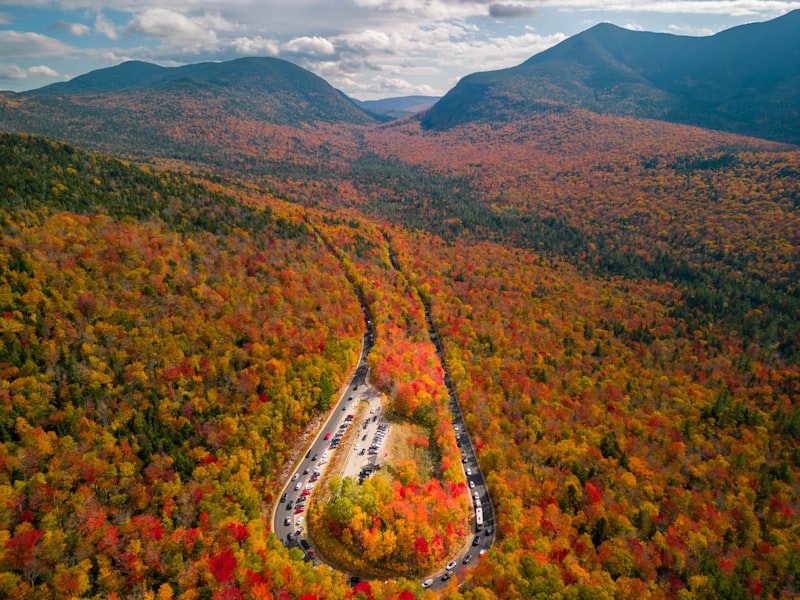
New Hampshire's cold climate and acidic soils favor certain crops that struggle elsewhere. Blueberries grow without pH modification in most of the state. Apples — particularly cold-hardy varieties like McIntosh, Cortland, and Honeycrisp — are a major crop. Maple syrup production is an iconic New Hampshire industry that depends on the state's rocky, forested landscape. For vegetable gardens, cool-season crops are the backbone: peas, beans, lettuce, broccoli, kale, potatoes, and root vegetables. Short-season tomato varieties (under 65 days) produce in all but the coldest areas. Garlic planted in October produces large bulbs by July. New Hampshire's intense autumn colors come from the same soil chemistry that makes its gardens productive — mineral-rich, acidic glacial deposits.
Soil Testing and Improvement in New Hampshire
The UNH Cooperative Extension Soil Testing Program processes samples for about $20 and provides detailed recommendations. Liming is the most universal need — raising pH from the natural 4.5-5.5 to 6.0-6.5 for vegetables. Wood ash from the state's abundant firewood supply also raises pH and adds potassium. Rocky soils are the other persistent challenge. Rather than fighting rocks, many New Hampshire gardeners build raised beds or garden in the deeper soils of river valleys and glacial outwash plains. Organic matter from composted leaves, aged manure, and cover crops is essential for building soil fertility in New Hampshire's naturally thin ground.