Soil Types in Illinois
Illinois soils are among Earth’s most fertile — deep prairie mollisols formed under thousands of years of tall-grass prairie. The state soil, Drummer silty clay loam, reaches 5–6% organic matter. Northern and central Illinois soils are dark, deep, and exceptionally rich; southern Illinois soils are thinner and slightly more acidic. Illinois spans USDA hardiness zones 5a (Chicago) through 7a (extreme south near Carbondale). Enter your ZIP code above to find your local soil type, pH, and planting guide across all 1,249 Illinois ZIP codes.
Soil Type Distribution
Hardiness Zones
Illinois spans USDA zones 5a through 7a.
Top Cities in Illinois
Soil Types in Illinois
Illinois has 1,249 ZIP codes in our database, spanning the Chicago metropolitan area, the Central Prairie, river valleys, and the southern Shawnee Hills. Understanding your local soil type helps you choose the right plants and amendments for your garden.
USDA Hardiness Zones in Illinois
Illinois spans USDA hardiness zones 5a through 7a. Your hardiness zone determines which perennial plants will survive winter in your area. Enter your zip code above to find your exact zone and get personalized planting recommendations.
Illinois’ World-Class Prairie Soils
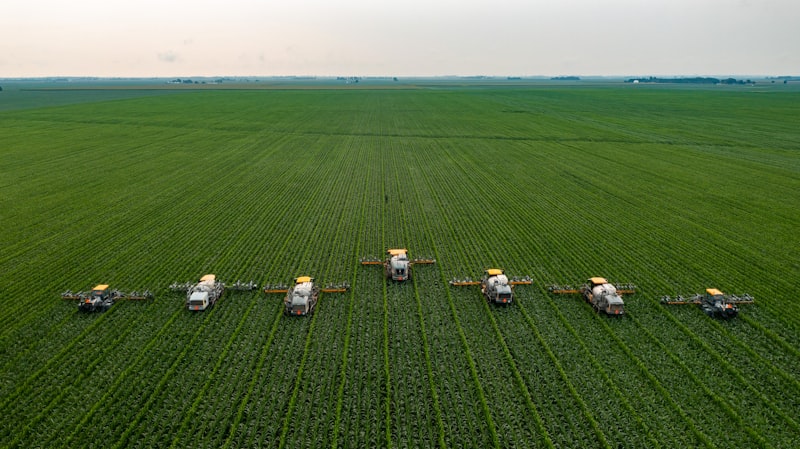
Illinois possesses some of the finest agricultural soils on Earth. Approximately 75% of the state’s land was tall-grass prairie before European settlement, and those millennia of grass growth and decay created deep, dark, organic-rich mollisols. Northern and central Illinois soils are the crown jewels — Drummer silty clay loam, the state soil, is a poorly drained but incredibly fertile soil formed under prairie vegetation with glacial till parent material. Organic matter levels in these virgin prairie soils can exceed 5-6%, and the glacial deposits provide excellent mineral content. Southern Illinois below the glacial boundary has somewhat thinner, more acidic soils with an Ozark-influenced landscape. The state’s remarkable agricultural productivity — Illinois typically ranks #1 or #2 nationally in soybean and corn production — is built directly on this soil foundation.
Growing Seasons and Frost Dates in Illinois
Illinois spans nearly 400 miles north to south, creating a significant range in growing seasons. Chicago and the northern border average about 170-180 frost-free days, with the last frost near April 25-May 1 and first frost around October 15. Central Illinois (Springfield, Champaign) enjoys about 190 days, with last frost near April 15 and first frost in late October. Southern Illinois (Carbondale, Cairo) stretches to 210-220 frost-free days, with the last frost around April 1 and first frost into November. Lake Michigan moderates temperatures along the northeastern shore — the lake keeps spring cooler but extends fall warmth. Illinois receives 35-45 inches of annual rainfall, mostly concentrated in spring and early summer, making irrigation optional for many gardens.
Best Crops for Illinois Soils
Illinois’ deep prairie soils support virtually any temperate crop. Corn and soybeans dominate commercial agriculture, but the state’s rich soils grow exceptional vegetables. Sweet corn, tomatoes, pumpkins (Illinois leads the nation), peppers, and green beans are summer staples. The naturally high organic matter means Illinois gardens often produce abundantly with minimal amendment. Pumpkin production is concentrated in the fertile silt loams of the Illinois River Valley. Apple and peach orchards thrive in the southern hills. Home gardeners across the state find that asparagus, rhubarb, strawberries, and bramble fruits (blackberries, raspberries) perform exceptionally well in Illinois’ nutrient-rich soils. Garlic and onions planted in fall produce impressive bulbs in the mineral-rich ground.
Soil Challenges and Solutions in Illinois
The main challenge with Illinois’ prized prairie soils is drainage. Drummer and similar soils were naturally waterlogged — the prairie they supported was essentially a grassland on top of a perennial wetland. Agricultural tile drainage transformed these soils into farmland, but home gardens in heavy clay areas may still deal with wet spring conditions. Raised beds help in poorly drained areas. Compaction from construction is a major issue in suburban developments where topsoil was removed or heavy equipment destroyed soil structure. If your yard soil was compacted during construction, deep compost amendment and aeration are needed to restore it. The University of Illinois Extension offers soil testing through local offices and provides Illinois-specific gardening guidance.