Clay Soil: Complete Gardening Guide
Quick Answer — What is Clay soil?
Clay soil is composed of extremely fine mineral particles less than 0.002 millimeters in diameter. These tiny particles pack tightly together, creating a dense soil structure with very small pore spaces between them. This is why clay soil…
Maps show what is typical for clay soil. A home test kit tells you the pH and nutrient levels of your yard.As an Amazon Associate, we earn from qualifying purchases.
Get a soil test kit →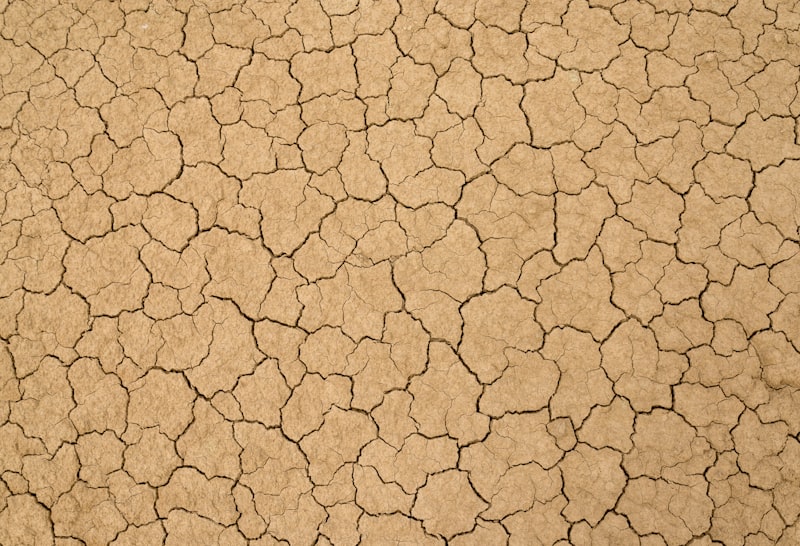
Soil Composition
Characteristics
| Texture | Smooth, sticky when wet; hard and lumpy when dry |
|---|---|
| Drainage | Poor |
| Water Retention | High |
| Nutrient Retention | High |
| Workability | Difficult when wet or dry |
| Compaction Risk | High |
| Erosion Risk | Low (water), Moderate (wind) |
Pros & Cons
Advantages
- Holds nutrients exceptionally well due to high cation exchange capacity
- Retains moisture during dry periods
- Provides stable anchorage for large plants and trees
- Less need for frequent fertilization
- Resists wind erosion
Challenges
- Poor drainage leads to waterlogging
- Hard to work when too wet or too dry
- Slow to warm up in spring, delaying planting
- Prone to compaction from foot traffic or machinery
- Can crack when dry, damaging shallow roots
- Root vegetables struggle to develop properly
What Is Clay Soil?
Clay soil is composed of extremely fine mineral particles less than 0.002 millimeters in diameter. These tiny particles pack tightly together, creating a dense soil structure with very small pore spaces between them. This is why clay soil holds water so tenaciously and drains so slowly. When you pick up a handful of wet clay soil, it feels smooth and slippery, and you can mold it like modeling clay. When dry, it becomes rock-hard and may crack into large chunks. Clay soils are found across much of the United States, particularly in the Midwest, Southeast, and parts of the Pacific Northwest. Despite their reputation as difficult soils, clay soils are among the most naturally fertile soil types because their tiny particles have a massive surface area that binds nutrients effectively. With proper management and regular amendment with organic matter, clay soil can become one of the most productive soil types in your garden.
Clay Soil for Vegetable Gardens
Growing vegetables in clay soil requires some strategic thinking, but the results can be exceptional once you understand what works. Heavy-feeding crops like brassicas (broccoli, cabbage, cauliflower, and kale) absolutely love clay soil because it provides a steady supply of nutrients and consistent moisture. Legumes such as beans and peas also perform well, with the added benefit of fixing nitrogen into the soil. Squash, pumpkins, and lettuce are reliable producers in clay gardens. The crops to avoid are root vegetables like carrots, parsnips, and radishes, which need loose soil to develop properly. Potatoes also struggle because clay holds too much moisture around the tubers, promoting rot. If you want to grow root vegetables, consider raised beds filled with a loamy mix placed on top of your clay soil. For everything else, focus on building up the organic matter content over time. Each season, add a thick layer of compost before planting and mulch heavily to prevent the surface from crusting.
How to Improve Clay Soil
Improving clay soil is a multi-year process, but the payoff is enormous. Start by adding 3 to 4 inches of well-aged compost to the surface and working it into the top 8 inches of soil each fall. Never work clay soil when it is wet, as this destroys its structure and creates hard clumps that take years to break down. You will often see gypsum sold as a clay breaker, but it only earns its place on sodic clay, where excess sodium is what ruins the structure. Colorado State University Extension describes gypsum as a tool for reclaiming sodic soils by displacing sodium with calcium, and advises against adding it otherwise, so ask for a sodium reading on your soil test before you buy a bag. Planting cover crops like daikon radish, clover, or winter rye is one of the best long-term strategies. Their roots penetrate deep into the clay, creating channels for water and air. When tilled under in spring, they add organic matter directly into the soil profile. Mulching with aged bark, straw, or shredded leaves protects the surface from compaction by rain and foot traffic. Over three to five seasons of consistent amending, you will notice dramatic improvements in drainage, workability, and plant performance.
How to Identify Clay Soil in Your Yard
You do not always need a lab test to figure out whether you are dealing with clay. A few simple field tests will get you most of the way there. Start with the ribbon test: take a golf-ball-sized lump of moist soil, roll it between your thumb and forefinger, and try to form a flat ribbon. If the ribbon extends more than two inches before breaking, you are in one of the clay classes (clay, silty clay or sandy clay in the USDA field guide). Next, try the jar test. Fill a quart jar one-third full with soil, add water nearly to the top, shake vigorously, and let it settle for 48 hours. Sand drops first, silt next, and the finest layer on top is clay. Measure each band to estimate percentages. Finally, look at surface clues in your yard. Standing puddles after rain, deep cracks during dry spells, and a slick, shiny surface when you slice through the ground with a spade are all telltale signs of heavy clay. Weeds like dock, plantain, and quackgrass also tend to dominate clay-heavy lawns.
Seasonal Management Calendar for Clay Soil
Spring is the trickiest season on clay. Wait until the soil passes the squeeze test — a handful should crumble apart, not form a sticky ball — before you dig or rototill. Working wet clay destroys its structure for the entire growing season. Once it is ready, spread two to three inches of compost and fork it in gently. In summer, mulch heavily to prevent surface crusting and reduce evaporation. Clay retains moisture well, so you will water less often than sandy-soil gardeners, but when you do water, soak deeply and infrequently to encourage roots to grow downward rather than staying near the surface. Come fall, plant a cover crop such as winter rye or crimson clover. The roots break up compaction through the cold months and add organic matter when you chop them in spring. In winter, avoid walking on clay beds at all. Freeze-thaw cycles naturally improve clay structure, but foot traffic undoes that benefit quickly.
Raised Beds vs. In-Ground Planting on Clay
Gardeners on clay often wonder whether to fight the soil or build above it. Raised beds filled with imported topsoil give you instant drainage and a longer growing season because the mix warms faster. They work especially well for root crops like carrots and beets that need loose soil to develop properly. The downside is cost and the fact that you are not actually improving your native ground. In-ground gardening takes more patience but pays off over time. Three to five years of consistent composting can transform heavy clay into some of the most productive garden soil on the planet, thanks to clay's natural ability to hold nutrients. A middle-ground option is the hugelkultur mound: pile logs and branches on the clay surface, cover with compost and soil, and plant directly into the mound. The buried wood acts like a sponge, and the mound eliminates the drainage problem without the expense of lumber for raised bed frames.
Common Problems and Solutions
Waterlogging is the number-one complaint with clay soil. If your beds stay soggy for more than 24 hours after a heavy rain, install a French drain along the lowest edge or build the bed up six to eight inches above grade. Compaction is the second biggest issue. Designate permanent walking paths between beds so you never step where roots need to grow, and add a thick layer of wood chips to those paths. Cracking during drought can sever shallow roots and expose deeper roots to air. Prevent it by maintaining a consistent mulch layer of three inches year-round. Finally, if your clay has a high pH above 7.5, which is common in arid regions, sulfur or acidifying fertilizers can bring it closer to neutral over several seasons. Test your pH every year because clay's buffering capacity means changes happen slowly.
Test before you amend
Our data is drawn from USDA soil surveys, so it describes the dominant soil across an area — useful for planning, not precise enough for dosing lime or fertiliser. Before you buy amendments for clay soil, run a test on the bed you actually garden: pH and N-P-K vary from one end of a yard to the other.
Get a soil test kit for clay soil →As an Amazon Associate, we earn from qualifying purchases.
Best Plants for Clay Soil
Recommended Amendments
Improves structure, drainage, and microbial activity
Replaces sodium with calcium in sodic clay; does little for typical garden clay
Improves drainage when combined with compost
Adds organic matter gradually as it decomposes
Deep roots break up clay naturally
Example Zip Codes with Clay Soil
Frequently Asked Questions
Is clay soil good for gardening?
Clay soil is nutrient-rich and holds moisture well, making it excellent for many plants once properly amended. The key is improving drainage by adding organic matter like compost annually. Many vegetables, including brassicas and legumes, thrive in amended clay soil.
How do I know if I have clay soil?
Squeeze a handful of moist soil into a ball. If it holds its shape firmly and feels slippery or sticky, you likely have clay soil. Another test is the ribbon test: roll the soil between your thumb and finger. Clay soil forms a long, smooth ribbon over 2 inches before breaking.
Can you turn clay soil into good garden soil?
Yes, but it takes time and consistent effort. Add 3-4 inches of compost each year, avoid working the soil when wet, and use raised beds for sensitive crops. Over 3-5 years of amendment, clay soil becomes incredibly productive garden soil because of its natural nutrient richness.
What is the best mulch for clay soil?
Shredded hardwood bark is ideal for clay soil. It breaks down slowly, feeds soil organisms that improve clay structure, and prevents the surface crusting that makes clay impermeable. Apply a three-inch layer in spring and top it off in fall. Avoid fine-textured mulches like sawdust, which can form a water-repellent mat on clay.
Should I add sand to clay soil?
Adding sand alone to clay soil can actually make things worse, creating a concrete-like mixture. If you want to use sand, always mix it with an equal volume of compost and work both into the soil together. A better long-term strategy is to add compost every year and let soil organisms do the heavy lifting.
How long does it take to improve clay soil?
Expect noticeable improvement after one full growing season of composting, and genuinely transformed soil after three to five years of consistent amendment. Each year the soil gets easier to work, drains better, and supports a wider range of plants. Patience is the most important tool in your shed.
Can you grow fruit trees in clay soil?
Many fruit trees actually do well in clay, including apple, pear, plum, and cherry. The key is planting them slightly above grade on a mound so the root crown never sits in standing water. Avoid stone fruits in poorly drained heavy clay, as they are susceptible to root rot. Amend the planting area with compost but do not create a completely different soil pocket — the roots need to transition gradually into native clay.
Recommended Soil Testing Kits
As an Amazon Associate, we earn from qualifying purchases.