USDA Hardiness Zone 11b: Planting Guide
Zone Overview
Monthly Planting Calendar
| Month | Indoor Starts | Direct Sow | Transplant | Harvest |
|---|---|---|---|---|
| january | - | - | - | - |
| february | - | - | - | - |
| march | - | - | - | - |
| april | - | - | - | - |
| may | - | - | - | - |
| june | - | - | - | - |
| july | - | - | - | - |
| august | - | - | - | - |
| september | - | - | - | - |
| october | - | - | - | - |
| november | - | - | - | - |
| december | - | - | - | - |
Best Plants for Zone 11b
Vegetables
Fruits
Flowers
Herbs
Example Zip Codes in Zone 11b
What Is USDA Zone 11b?
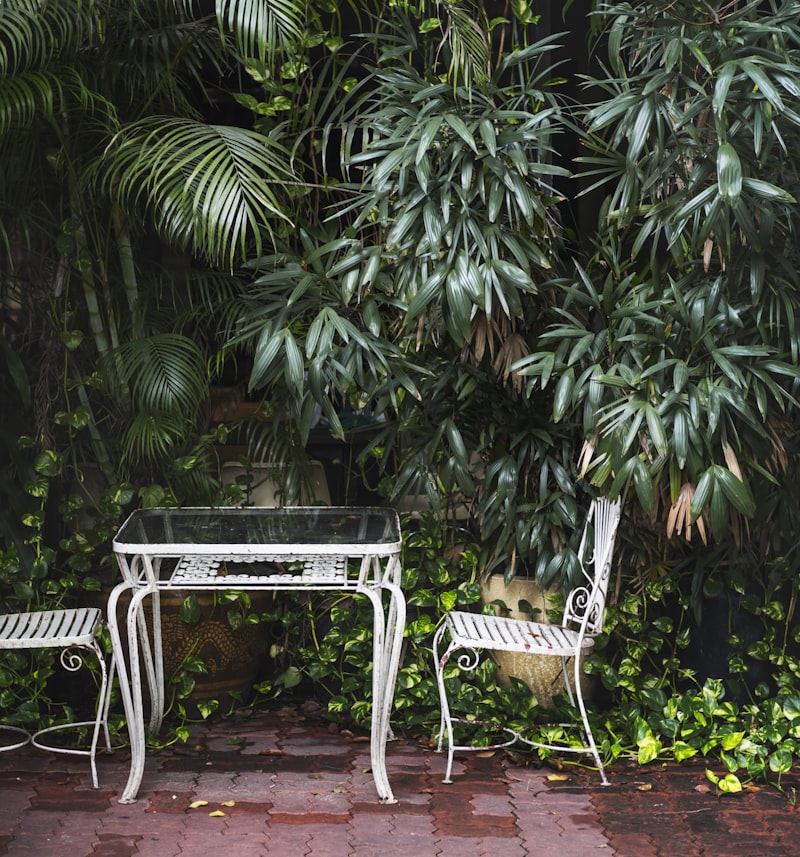
USDA Hardiness Zone 11b covers areas where average minimum temperatures range from 45 to 50 degrees Fahrenheit, creating a warm tropical environment year-round. This zone is found in coastal Hawaii, Puerto Rico, and the US Virgin Islands. Zone 11b supports the most diverse collection of tropical plants available anywhere in US territory. Exotic fruits that require consistently warm temperatures, such as rambutan, mangosteen, and soursop, can be grown here. The landscape is characterized by lush tropical vegetation, including towering palm trees, fragrant flowering trees, and a dense understory of tropical shrubs and ground covers. Gardening in Zone 11b is a unique experience where the limiting factors are never cold temperatures but rather managing abundant rainfall, intense sunlight, salt spray in coastal areas, and tropical pest and disease pressure. The potential for year-round food production from a small area is exceptional.
Growing Season in Zone 11b
Zone 11b's growing season is a perpetual 365 days, governed entirely by rainfall patterns and tropical weather cycles rather than temperature. The key distinction is between wet season and dry season. In Hawaii, the wet season typically runs from November through March, while the dry season spans April through October. In Puerto Rico and the Virgin Islands, the wet season is generally May through November. During the wet season, growth is explosive. Tropical plants produce new foliage rapidly, fruit trees set and develop their crops, and the garden can feel almost overwhelming in its productivity. The challenge is managing drainage, preventing fungal and bacterial diseases that thrive in warm, wet conditions, and controlling the rapid growth of weeds and unwanted vegetation. During the dry season, the pace moderates and irrigation becomes essential for consistent production. Many tropical gardeners find the dry season easier to manage, with lower disease pressure and more predictable growing conditions.
Gardening in Zone 11b's Tropical Climate
With minimum temperatures rarely dropping below 45 degrees Fahrenheit, Zone 11b offers true tropical gardening conditions. Coconut palms, bananas, papayas, mangoes, and a vast array of tropical ornamentals grow without any winter protection. The growing season is effectively year-round, limited only by rainfall patterns and extreme summer heat. Gardeners here think in terms of wet and dry seasons rather than summer and winter. Many tropical fruits produce their heaviest harvests during the warm, rainy months, while vegetables do best during the cooler, drier season. Soil management in tropical zones focuses on maintaining organic matter, which decomposes rapidly in warm, humid conditions. Regular applications of compost and mulch are essential. Cover cropping with tropical species like sunn hemp or cowpeas builds soil fertility between crop rotations.
Challenges and Opportunities in Zone 11b
The biggest challenge in Zone 11b is not cold but rather managing the intense biological activity that warm temperatures drive year-round. Pest populations never experience a winter die-off, so integrated pest management is a continuous process. Beneficial insects, companion planting, and biological controls are more effective long-term strategies than chemical intervention. Disease pressure from fungal and bacterial pathogens is also elevated in warm, humid conditions, making proper spacing, air circulation, and drip irrigation critical. On the opportunity side, Zone 11b gardeners can grow an astonishing diversity of plants. Tropical fruits that cost a premium in grocery stores grow easily here. Herbs like lemongrass, turmeric, and ginger are productive perennials rather than annuals. The year-round growing season means multiple harvests from a single planting of many crops, and the warm soil allows faster germination and growth rates than any cooler zone.
Frequently Asked Questions
What can I plant in Zone 11b?
Zone 11b supports the widest range of tropical plants in US territory. Exotic fruits like rambutan, soursop, and breadfruit grow alongside common tropicals. The challenge is heat management in summer and managing tropical pests year-round. Many temperate vegetables struggle here but tropical alternatives like taro, callaloo, and winged beans fill those roles.
When is the last frost in Zone 11b?
Zone 11b never experiences frost. Minimum temperatures stay above 45°F year-round. There are no frost dates to worry about. The gardening calendar is driven entirely by wet/dry seasons, hurricane risk, and the natural fruiting cycles of tropical plants.
What is the biggest gardening challenge in Zone 11b?
Pest and disease management is the top challenge because warm temperatures allow insect populations and pathogens to remain active year-round. There is no winter kill to reset pest populations. Successful gardeners in Zone 11b rely on beneficial insects, crop rotation, resistant varieties, and proper spacing for air circulation rather than depending solely on pesticides.
Can I grow temperate vegetables in Zone 11b?
Cool-season vegetables like lettuce, broccoli, and peas can be grown during the coolest months (December through February) if nighttime temperatures drop below 70 degrees regularly. Most temperate crops struggle with the heat and humidity of spring through fall. Focus on heat-adapted varieties and tropical alternatives: Malabar spinach instead of regular spinach, chaya instead of kale, and tropical lettuce varieties that tolerate heat.