USDA Hardiness Zone 3a: Planting Guide
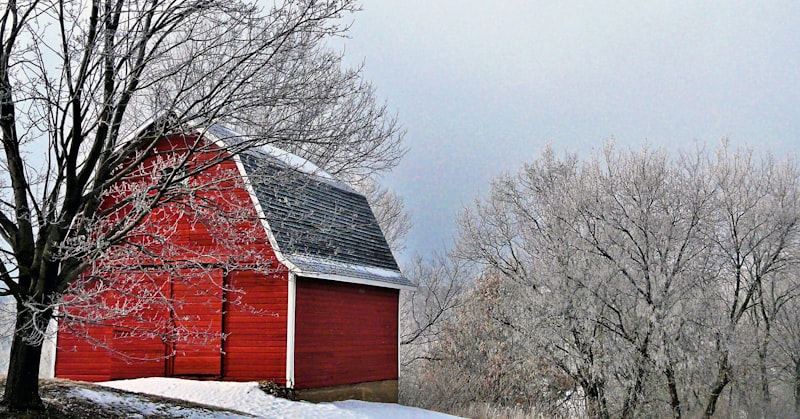
Zone Overview
Monthly Planting Calendar
| Month | Indoor Starts | Direct Sow | Transplant | Harvest |
|---|---|---|---|---|
| january | - | - | - | - |
| february | - | - | - | - |
| march | - | - | - | - |
| april | - | - | - | - |
| may | - | - | - | - |
| june | - | - | - | - |
| july | - | - | - | - |
| august | - | - | - | - |
| september | - | - | - | - |
| october | - | - | - | - |
| november | - | - | - | - |
| december | - | - | - | - |
Best Plants for Zone 3a
Vegetables
Fruits
Example Zip Codes in Zone 3a
What Is USDA Zone 3a?
USDA Hardiness Zone 3a covers areas where the average annual minimum winter temperature ranges from -40 to -35 degrees Fahrenheit. This includes parts of northern Minnesota, Wisconsin, Montana, North Dakota, and portions of the northern Rockies. The climate is characterized by long, brutal winters and relatively short growing seasons of 90 to 120 days. Despite these challenges, Zone 3a gardeners can grow a surprising variety of crops by choosing cold-hardy varieties, using season extension techniques, and understanding the rhythms of their short but intense growing season. Snow cover actually protects perennial plants by insulating them from the most extreme temperature swings. Many fruit trees and berry bushes adapted to this zone have evolved to require a significant winter chill period, which Zone 3a provides in abundance.
Growing Season in Zone 3a
The growing season in Zone 3a is compact but remarkably productive thanks to the long daylight hours of northern summers. From June through August, gardens can receive 15 to 16 hours of daylight, which accelerates plant growth significantly compared to warmer zones with shorter days. The key to success is starting seeds indoors in March and April, then transplanting hardened-off seedlings as soon as conditions allow. Cold frames, row covers, and wall-of-water season extenders can add 2 to 4 weeks to both ends of the season. Focus on fast-maturing crop varieties developed specifically for short seasons. Many seed catalogs now indicate days to maturity and cold hardiness ratings that help Zone 3a gardeners select appropriate varieties. Fall frost protection using row covers or cold frames can extend your harvest well into October for cold-tolerant crops like kale, carrots, and spinach.
Soil Management in Zone 3a
Cold-climate soils in Zone 3a face unique challenges that warmer regions never encounter. The repeated freeze-thaw cycles throughout winter actually benefit soil structure over time, naturally breaking up compacted clay and creating air pockets that roots appreciate come spring. However, this same process heaves shallow-rooted plants out of the ground, so mulching perennial beds with 4 to 6 inches of straw or wood chips after the ground freezes is essential. Spring soil preparation requires patience. Resist the urge to work the soil too early. Digging or tilling when the ground is still partially frozen or waterlogged destroys the structure that winter created. Wait until a handful of soil crumbles when squeezed rather than forming a muddy ball. Raised beds warm faster than in-ground plantings, often gaining you two to three weeks at the start of the season. Adding compost in fall rather than spring gives it time to integrate with the native soil through winter biological activity and freeze-thaw action.
Season Extension Techniques for Zone 3a
With only 90 to 120 frost-free days, season extension is not a luxury in Zone 3a but a practical necessity for growing the full range of warm-season crops. Cold frames are the simplest tool: a bottomless box with a glass or polycarbonate lid placed over a garden bed. Even an unheated cold frame raises temperatures 10 to 15 degrees, allowing salad greens to grow from September through November and again starting in February or March. Row covers made from spunbond fabric (like Agribon AG-19) drape directly over plants and provide 4 to 8 degrees of frost protection, enough to survive light frosts without any frame or support structure. For tomatoes and peppers, Wall O'Water plant protectors create a warm microclimate that lets you transplant three to four weeks earlier than the calendar recommends. The most ambitious cold-climate gardeners use unheated hoop houses or high tunnels, which extend the growing season by eight weeks or more on each end and make year-round harvesting of cold-hardy greens entirely achievable even in Zone 3a.
Frequently Asked Questions
What can I plant in Zone 3a?
Focus on cold-hardy, fast-maturing crops. Root vegetables like carrots, beets, and potatoes do well in the short season. Leafy greens like kale and spinach thrive in cool temperatures. Choose tomato and pepper varieties specifically bred for short seasons, like 'Glacier' tomato or 'Ace' pepper.
When is the last frost in Zone 3a?
The last spring frost in Zone 3a typically occurs between May 15 and June 1, depending on your specific location and elevation. Always check local frost date records for your exact area, as microclimates can vary significantly even within a single zone.
How do I protect plants from extreme cold in Zone 3a?
Mulch is your most important tool. Apply 4 to 6 inches of straw, leaves, or wood chips over perennial beds after the ground freezes. For borderline-hardy plants, create a windbreak with burlap and fill around the base with dried leaves. Choose plant varieties bred for cold climates. Snow cover actually insulates plants, so avoid clearing snow from garden beds. In spring, remove mulch gradually as temperatures rise to prevent shocking plants.
What vegetables produce the most food in Zone 3a's short season?
Focus on fast-maturing varieties: bush beans (50 days), lettuce (45 days), radishes (25 days), and peas (60 days) are reliable producers. For tomatoes, choose determinate varieties with 65 or fewer days to maturity like Early Girl or Stupice. Succession planting every two to three weeks maximizes harvests from your 90 to 120 day window. Potatoes, garlic, and root crops also perform exceptionally well in cold-climate soils.