USDA Hardiness Zone 8a: Planting Guide
Zone Overview
Monthly Planting Calendar
| Month | Indoor Starts | Direct Sow | Transplant | Harvest |
|---|---|---|---|---|
| january | - | - | - | - |
| february | - | - | - | - |
| march | - | - | - | - |
| april | - | - | - | - |
| may | - | - | - | - |
| june | - | - | - | - |
| july | - | - | - | - |
| august | - | - | - | - |
| september | - | - | - | - |
| october | - | - | - | - |
| november | - | - | - | - |
| december | - | - | - | - |
Best Plants for Zone 8a
Vegetables
Example Zip Codes in Zone 8a
What Is USDA Zone 8a?
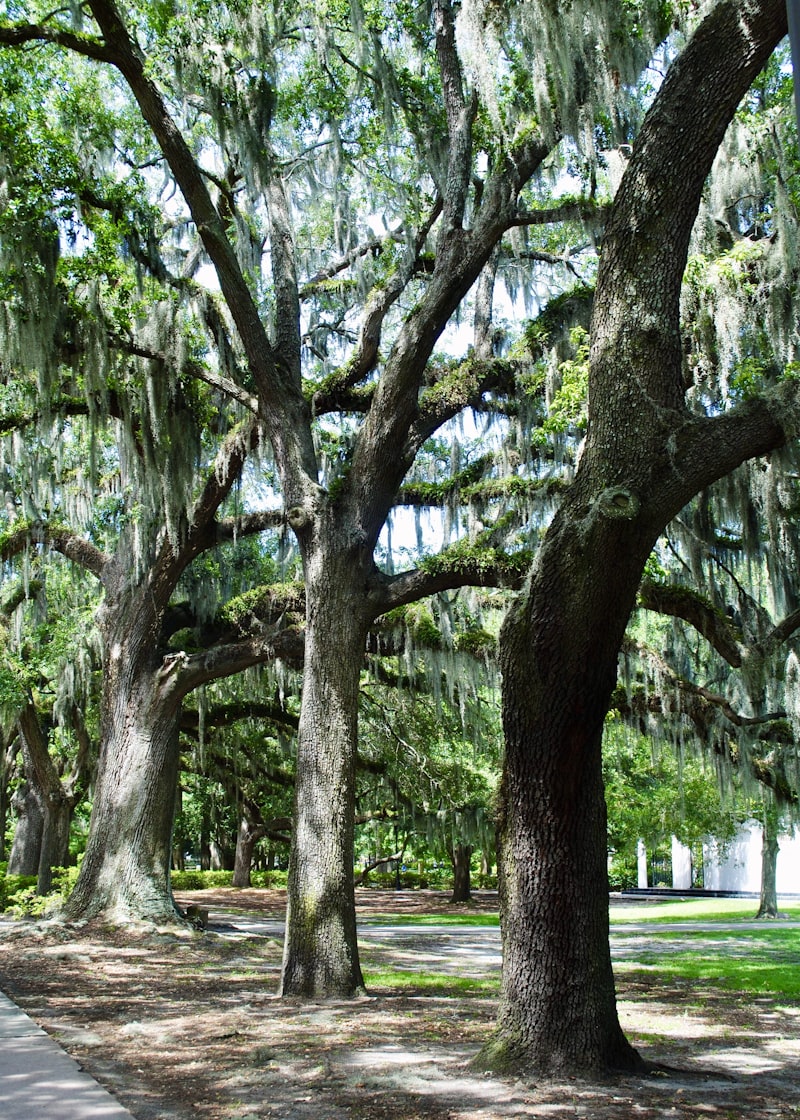
USDA Hardiness Zone 8a covers areas with average minimum winter temperatures between 10 and 15 degrees Fahrenheit. This zone spans across the southeastern states, Gulf Coast, parts of Texas, the Desert Southwest, and the Pacific Northwest coast. Zone 8a represents the gateway to subtropical gardening. Plants that would be killed by colder winters become reliable landscape fixtures here. Gardenias, camellias, and hardy palms thrive. Fig trees produce heavy crops without any winter protection. Muscadine grapes, a southern specialty, flourish in the long warm season. The 210 to 240 day growing period supports two complete growing seasons annually, making this one of the most productive zones for food gardening in the country. Many Zone 8a gardeners produce food twelve months a year by rotating between warm-season and cool-season crops.
Growing Season in Zone 8a
Zone 8a's growing season extends from early March through late November, with winter gardening filling in the remaining months for a truly year-round operation. Spring planting begins in January and February with cool-season crops that thrive in the mild winter conditions. By March, warm-season transplants go outdoors, and by April, the full summer garden is underway. The challenge in Zone 8a is managing the intense summer heat from June through August. Heat-tolerant varieties are essential, and mulching heavily to keep root zones cool is critical. Many cool-season crops bolt quickly once temperatures climb above 80 degrees. Fall gardening is the highlight of the Zone 8a calendar. The warm soil, moderate temperatures, and decreasing pest pressure from September through November create ideal growing conditions for a wide range of crops. Winter brings mild temperatures that support greens, root vegetables, and brassicas without any season-extension equipment.
Year-Round Gardening in Zone 8a
One of the greatest advantages of gardening in Zone 8a is the ability to grow food in every calendar month. The mild winters rarely produce ground-freezing cold that persists for more than a few days, which means cool-season crops like kale, spinach, lettuce, and root vegetables continue growing through the cooler months with minimal protection. Many Zone 8a gardeners maintain two distinct gardens: a warm-season garden running from April through September featuring tomatoes, peppers, squash, and corn, and a cool-season garden from October through March with brassicas, greens, and root crops. The transition periods in March and October are the busiest times, as one garden winds down and the other ramps up. Fall planting is actually more successful than spring planting for many crops in this zone, because the soil is warm from summer, rainfall increases, and pest pressure decreases as temperatures cool.
Managing Summer Heat in Zone 8a
While Zone 8a offers excellent growing conditions overall, summer heat can stress plants and gardeners alike. Afternoon temperatures above 90 degrees Fahrenheit cause tomato blossoms to drop without setting fruit, peppers to pause production, and lettuce to bolt to seed within days. Shade cloth rated at 30 to 50 percent reduces temperatures by 10 to 15 degrees and extends the productive season for heat-sensitive crops. Mulching becomes critical in summer. A 3 to 4 inch layer of straw, leaves, or wood chips reduces soil temperature by as much as 10 degrees, retains moisture between waterings, and prevents the soil surface from crusting. Drip irrigation on a timer ensures consistent moisture without wetting foliage, which reduces disease pressure during humid summer weather. Choose heat-tolerant varieties whenever possible: cherry tomatoes outperform beefsteaks in extreme heat, and Malabar spinach thrives where regular spinach surrenders.
Frequently Asked Questions
What can I plant in Zone 8a?
Zone 8a supports an enormous range of plants. All warm-season vegetables thrive here, plus subtropical fruits like figs and pomegranates. Choose low-chill apple and peach varieties for fruit trees. Ornamentals include gardenias, camellias, azaleas, and hardy palms. Year-round vegetable gardening is standard practice.
When is the last frost in Zone 8a?
The last frost in Zone 8a typically occurs between March 5 and March 25. The first fall frost arrives between November 1 and November 25. The 210-240 day growing season, combined with mild winters, makes year-round food production practical with proper crop selection and planning.
Can I garden year-round in Zone 8a?
Yes, Zone 8a is one of the best zones for year-round food production. Cool-season crops grow from October through March, and warm-season crops take over from April through September. With minimal frost protection like row covers or cold frames, you can harvest something from your garden in every month of the year. Plan your planting schedule around these two seasons for maximum productivity.
How often should I water in Zone 8a?
During summer, most vegetable gardens in Zone 8a need 1 to 1.5 inches of water per week, either from rain or irrigation. Water deeply two to three times per week rather than lightly every day. Drip irrigation is the most efficient method. In winter, natural rainfall usually provides adequate moisture for cool-season crops, but monitor soil moisture during dry spells. Mulching reduces watering needs by 30 to 50 percent.