Best Flowers for Sandy Clay Soil
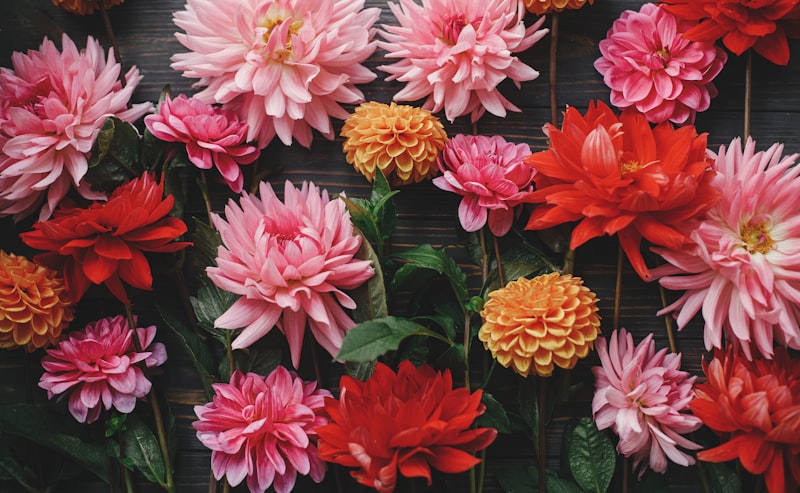
We are still building plant data for this combination. Check back soon or explore other soil types below.
Growing Flowers in Sandy Clay Soil
Sandy clay is a paradoxical soil — it can feel gritty and heavy simultaneously, draining poorly when compacted yet drying out in surface layers during hot spells. This dual personality actually creates niches for a wide range of flowers if you understand the moisture profile at different depths. Helenium and rudbeckia handle the fluctuating conditions admirably, their fibrous root systems accessing moisture at depth while tolerating the drier surface layer. Crocosmia 'Lucifer' sends its corms deep into sandy clay and produces arching sprays of scarlet flowers that light up late summer borders. Kniphofia (red hot poker) is practically designed for this soil — its thick roots store water during dry spells and tolerate the heavier clay fraction during winter wet. Catmint and hardy salvias form reliable edging plants that handle whatever mood sandy clay happens to be in.
Soil Conditioning Techniques for Sandy Clay Flower Beds
Sandy clay responds dramatically to organic matter additions because the compost particles bind the sand and clay fractions together into stable aggregates that hold shape, drain reasonably, and support healthy root growth. Spread five centimeters of garden compost across beds each autumn and let winter weather work it in — freeze-thaw cycles in colder regions do the mixing without disturbing established root systems. Green manures planted between flower rows in autumn add both organic matter and nitrogen when dug in before spring planting. Phacelia and crimson clover work especially well because they germinate quickly in sandy clay's warmth, grow a dense root network that physically breaks up compaction, and decompose rapidly when turned under. After two years of consistent conditioning, sandy clay develops a crumb structure that supports everything from delicate sweet peas to robust dahlias.
Soil Preparation Tips for Flowers in Sandy Clay Soil
Preparing sandy clay soil for flowers requires understanding both the soil's characteristics and the plants' needs. With variable drainage, sandy clay soil provides a good foundation for flowers. Since flowers generally have shallow to moderate root systems, focus your soil preparation on the top 12 inches. Prepare your beds 2-3 weeks before planting to allow amendments to integrate. For flowers, this timing is crucial to ensure optimal growing conditions from day one.
Common Problems Growing Flowers in Sandy Clay Soil
Growing flowers in sandy clay soil presents some unique challenges that you can overcome with proper management. The primary concerns with sandy clay soil include crusting when dry, sticky when wet, and difficult to work. Flowering may be reduced or delayed if soil conditions are poor. Ensure adequate phosphorus and avoid excess nitrogen, which promotes foliage at the expense of blooms.
Frequently Asked Questions
Is sandy clay difficult to garden in for flowers?
It presents challenges but responds well to improvement. The mix of sand and clay particles can create drainage inconsistencies, but adding organic matter steadily transforms it into productive garden soil. Many prairie and meadow flowers actually evolved in similar conditions and grow without much intervention at all.
What perennial flowers handle sandy clay best?
Helenium, rudbeckia, crocosmia, red hot pokers, catmint, and hardy geraniums all perform reliably in sandy clay. These species tolerate the moisture fluctuations between wet winters and drier summers. Echinacea and ornamental grasses like miscanthus also establish strong root systems that improve soil structure over time.
Should I add sand or clay to sandy clay soil?
Neither. Adding more sand or clay worsens the problems. Focus on organic matter instead — compost, aged manure, and leaf mold. These create stable soil aggregates that improve both drainage and water retention simultaneously, which is exactly what sandy clay needs to support diverse flower plantings.
When is the best time to plant flowers in sandy clay soil?
The ideal planting time for flowers in sandy clay soil depends on both your climate zone and the soil's properties. For cool-season flowers, plant in early spring or late summer/fall. In sandy clay soil, fall planting can be particularly successful as the soil retains warmth while air temperatures cool. Always amend the soil 2-3 weeks before planting to allow time for generous organic matter to integrate properly.
What should I do if my flowers show signs of nutrient deficiency in sandy clay soil?
Nutrient deficiencies in flowers growing in sandy clay soil often stem from pH imbalances rather than actual nutrient shortages. Foliar feeding with liquid fertilizer provides quick results while you work on correcting underlying pH issues. Spray diluted liquid fertilizer directly on leaves in the early morning or evening to avoid leaf burn. For flowers, maintaining proper soil pH is more important than heavy fertilization. Once pH is in the optimal range (6.0-7.0 for most plants), nutrient availability improves dramatically and deficiency symptoms usually resolve within 2-4 weeks.
Gardening Tips for Sandy Clay Soil
- Work the soil when it is slightly moist, not wet. Wet clay compacts and forms hard clumps.
- Raised beds are an effective shortcut if your native clay is particularly dense.
- Add 2-3 inches of compost each season to gradually improve structure and drainage.
- Avoid walking on garden beds to prevent compaction of the clay beneath.