Best Herbs for Sandy Clay Soil
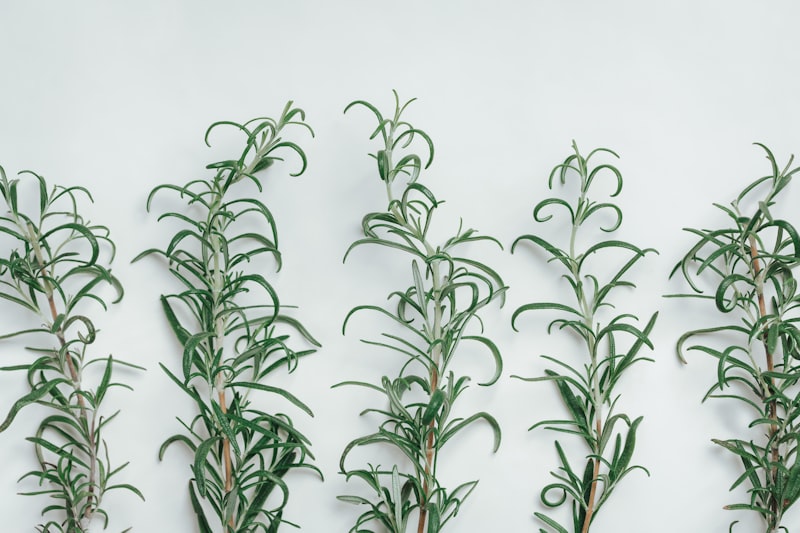
We are still building plant data for this combination. Check back soon or explore other soil types below.
Navigating Sandy Clay for Herb Production
Sandy clay is an unpredictable soil type that swings between extremes. When wet, the clay component makes it sticky and slow to drain. When dry, the sand component causes it to crack and pull away from plant roots, severing fine root hairs that herbs depend on for nutrient uptake. Consistent mulching is your best defense against these swings, keeping moisture levels more even throughout the season. Herbs with robust root systems handle sandy clay best: sage develops a woody root crown that pushes through the dense patches, while oregano spreads laterally to colonize the sandier zones. Lemongrass performs surprisingly well here because it evolved in tropical soils with similar mixed textures. Add organic matter relentlessly, every season, in every planting hole, and sandy clay gradually transforms into something much more manageable.
Propagating Herbs to Build Stock in Sandy Clay
Rather than buying expensive nursery plants that may not adapt to your sandy clay conditions, propagate herbs from cuttings and divisions to build well-adapted stock. Take softwood cuttings of rosemary, sage, and lavender in early summer: snip four-inch stem tips, strip the lower leaves, dip in rooting hormone, and insert into pots of gritty compost. Keep them misted until roots form in three to four weeks. Divide established mint, chives, oregano, and lemon balm clumps in spring by lifting the entire plant, pulling apart sections with healthy roots, and replanting immediately. Layer thyme by pegging low branches to the soil surface with wire staples and covering with a handful of gritty compost. Roots form at each contact point within six weeks, and you can sever the new plants from the parent.
Soil Preparation Tips for Herbs in Sandy Clay Soil
Preparing sandy clay soil for herbs requires understanding both the soil's characteristics and the plants' needs. With variable drainage, sandy clay soil provides a good foundation for herbs. Since herbs generally have shallow to moderate root systems, focus your soil preparation on the top 12 inches. Prepare your beds 2-3 weeks before planting to allow amendments to integrate. For herbs, this timing is crucial to ensure optimal growing conditions from day one.
Common Problems Growing Herbs in Sandy Clay Soil
Growing herbs in sandy clay soil presents some unique challenges that you can overcome with proper management. The primary concerns with sandy clay soil include crusting when dry, sticky when wet, and difficult to work. Many herbs lose flavor intensity when stressed. While some stress is beneficial for essential oil production, severe soil issues will reduce both growth and aromatic qualities.
Frequently Asked Questions
Is sandy clay good or bad for growing herbs?
It is mediocre without amendment but improvable with effort. The mixed texture creates drainage inconsistencies that stress many herbs. Heavy annual compost additions and consistent mulching gradually create a more hospitable growing environment. Tough herbs like sage, oregano, and lemongrass tolerate sandy clay better than delicate species.
How do I know if my soil is sandy clay?
Wet a handful and roll it between your palms. Sandy clay forms a rough, gritty sausage that cracks when bent into a ring. It feels grainy but also sticky. When dry, it forms hard clods with visible sand grains embedded in the surface. A jar test confirms the sand-to-clay ratio.
What cover crops improve sandy clay for herb beds?
Crimson clover and field peas fix nitrogen and their roots break up compacted layers. Winter rye produces massive root biomass that adds organic matter when turned in. Buckwheat grows quickly as a summer cover, attracting pollinators that benefit nearby herb flowers. Chop and incorporate cover crops two weeks before planting herbs.
When is the best time to plant herbs in sandy clay soil?
The ideal planting time for herbs in sandy clay soil depends on both your climate zone and the soil's properties. For cool-season herbs, plant in early spring or late summer/fall. In sandy clay soil, fall planting can be particularly successful as the soil retains warmth while air temperatures cool. Always amend the soil 2-3 weeks before planting to allow time for generous organic matter to integrate properly.
What should I do if my herbs show signs of nutrient deficiency in sandy clay soil?
Nutrient deficiencies in herbs growing in sandy clay soil often stem from pH imbalances rather than actual nutrient shortages. Foliar feeding with liquid fertilizer provides quick results while you work on correcting underlying pH issues. Spray diluted liquid fertilizer directly on leaves in the early morning or evening to avoid leaf burn. For herbs, maintaining proper soil pH is more important than heavy fertilization. Once pH is in the optimal range (6.0-7.0 for most plants), nutrient availability improves dramatically and deficiency symptoms usually resolve within 2-4 weeks.
Gardening Tips for Sandy Clay Soil
- Work the soil when it is slightly moist, not wet. Wet clay compacts and forms hard clumps.
- Raised beds are an effective shortcut if your native clay is particularly dense.
- Add 2-3 inches of compost each season to gradually improve structure and drainage.
- Avoid walking on garden beds to prevent compaction of the clay beneath.