Best Flowers for Silty Clay Soil
Maps show what is typical for silty clay soil. A home test kit tells you the pH and nutrient levels of your yard.As an Amazon Associate, we earn from qualifying purchases.
Get a soil test kit →We are still building plant data for this combination. Check back soon or explore other soil types below.
Flowers That Thrive in Silty Clay Soil
Silty clay presents a genuine gardening challenge — it holds water tenaciously, compacts under foot traffic, and turns to concrete when dry. Yet certain flowers not only tolerate these conditions but genuinely prefer them. Marsh marigolds and ligularia produce lush, tropical-looking foliage in silty clay's consistently moist environment. Siberian iris stands out as a top performer, forming elegant clumps that bloom profusely in late spring and tolerate both the wet winters and occasional dry summers silty clay creates. Japanese primrose thrives along borders where water collects. For more conventional garden flowers, daylilies are your most reliable option — their thick tuberous roots power through dense soil and reward you with weeks of colorful blooms. Hemerocallis 'Stella de Oro' reblooms continuously from June through September, making it the workhorse of silty clay flower beds.
Improving Drainage for Broader Flower Choices in Silty Clay
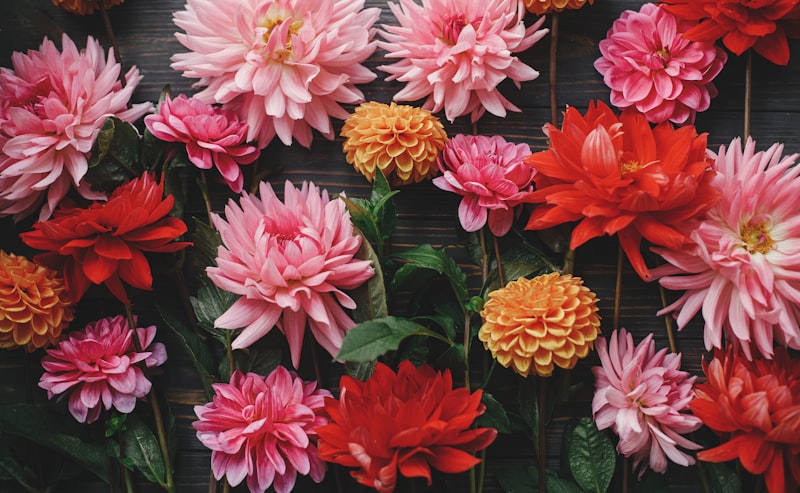
If you want to grow a wider range of flowers in silty clay, targeted drainage improvements unlock possibilities without requiring a full soil replacement. Dig planting holes twice as wide and deep as needed, then backfill with a mix of the native soil, coarse sand, and compost in roughly equal parts. This creates pockets of improved drainage where individual plants establish strong root systems. For an entire bed, install a simple French drain along the lowest edge — a gravel-filled trench that channels excess water away from roots during wet periods. Raised beds with at least twenty centimeters of improved soil above the silty clay level let you grow dahlias, lavender, and other drainage-demanding flowers alongside the moisture-lovers already thriving at ground level, creating a layered garden with genuine visual depth.
Soil Preparation Tips for Flowers in Silty Clay Soil
Preparing silty clay soil for flowers requires understanding both the soil's characteristics and the plants' needs. Since silty clay soil has slow drainage, creating raised beds or mounds is highly recommended for flowers. This prevents waterlogging around roots, which is especially critical for flowers that need varies by species. Since flowers generally have shallow to moderate root systems, focus your soil preparation on the top 12 inches. Be aware that silty clay soil is typically neutral to slightly alkaline. Some flowers may show signs of nutrient deficiency in alkaline conditions, particularly iron chlorosis. Prepare your beds 2-3 weeks before planting to allow amendments to integrate. For flowers, this timing is crucial to ensure optimal growing conditions from day one.
Common Problems Growing Flowers in Silty Clay Soil
Growing flowers in silty clay soil presents some unique challenges that you can overcome with proper management. The primary concerns with silty clay soil include compaction, poor aeration, and waterlogging. Root rot is a common problem for flowers in silty clay soil due to poor drainage. Watch for yellowing leaves, wilting despite moist soil, and stunted growth. Prevent this by avoiding overwatering, ensuring good soil structure with organic matter, and consider installing drainage tiles in severely affected areas. Soil compaction can significantly impact flowers in silty clay soil, limiting root development and oxygen availability. Symptoms include stunted growth, shallow root systems, and poor nutrient uptake. Avoid walking on growing beds, add organic matter annually, and use a broadfork to gently aerate the soil without inverting it. pH-related nutrient lockout can occur in silty clay soil, which is neutral to slightly alkaline. This affects how flowers absorb essential nutrients, particularly iron, manganese, and phosphorus. Test pH annually and adjust as needed - most flowers perform best in neutral to slightly acidic conditions. Flowering may be reduced or delayed if soil conditions are poor. Ensure adequate phosphorus and avoid excess nitrogen, which promotes foliage at the expense of blooms.
Frequently Asked Questions
Which flowers handle waterlogged silty clay soil?
Siberian iris, marsh marigold, Japanese primrose, and ligularia genuinely prefer wet silty clay conditions. Astilbe and trollius also perform well in consistently moist spots. These species evolved in wetland margins and floodplains where silty clay conditions occur naturally, so they grow without any soil amendment.
Can I grow roses in silty clay?
Rosa rugosa varieties tolerate silty clay better than most roses. For hybrid teas or English roses, build a raised planting mound at least fifteen centimeters above the surrounding soil level and incorporate generous amounts of grit and compost. This prevents the crown rot that kills roses sitting in waterlogged soil.
How do I stop silty clay from cracking around flower plants?
Maintain a five-centimeter layer of organic mulch year-round. Bark chips, straw, or shredded leaves buffer the soil surface from direct sun and rain, preventing the wet-dry cycles that cause dramatic cracking. The mulch also feeds soil biology that gradually improves the clay structure from the top down.
When is the best time to plant flowers in silty clay soil?
The ideal planting time for flowers in silty clay soil depends on both your climate zone and the soil's properties. Since silty clay soil has slow drainage, it warms up slowly in spring and stays cold and wet longer than other soil types. Wait until the soil temperature reaches at least 60°F (preferably 65-70°F) before planting warm-season flowers. You can check this by using a soil thermometer inserted 4 inches deep. Planting too early in cold, wet silty clay soil often leads to poor germination, damping off, and root diseases. For cool-season flowers, plant in early spring or late summer/fall. In silty clay soil, fall planting can be particularly successful as the soil retains warmth while air temperatures cool. Always amend the soil 2-3 weeks before planting to allow time for coarse organic matter, sand to integrate properly.
How can I prevent soil compaction when growing flowers in silty clay soil?
Soil compaction is a significant concern in silty clay soil, and preventing it is easier than correcting it after the fact. First, avoid working the soil when it's wet - if it sticks to your tools or forms a ball when squeezed, it's too wet to work. Working wet silty clay soil destroys soil structure and creates dense, compacted layers that restrict root growth for flowers. Use permanent pathways and avoid walking on planting beds. Consider installing stepping stones or boards to distribute your weight when you need to access the bed. Add 2-3 inches of compost or other organic matter annually to improve soil structure. As organic matter decomposes, it creates air spaces and improves drainage. Plant cover crops like daikon radish or clover during the off-season - their roots naturally break up compacted silty clay soil. If compaction is severe, consider creating raised beds filled with a custom soil mix, which allows better control over growing conditions for flowers.
Gardening Tips for Silty Clay Soil
- Work the soil when it is slightly moist, not wet. Wet clay compacts and forms hard clumps.
- Raised beds are an effective shortcut if your native clay is particularly dense.
- Add 2-3 inches of compost each season to gradually improve structure and drainage.
- Avoid walking on garden beds to prevent compaction of the clay beneath.
Other Plant Categories for Silty Clay Soil
Recommended Soil Amendments
As an Amazon Associate, we earn from qualifying purchases.