Best Herbs for Silty Clay Soil
Maps show what is typical for silty clay soil. A home test kit tells you the pH and nutrient levels of your yard.As an Amazon Associate, we earn from qualifying purchases.
Get a soil test kit →We are still building plant data for this combination. Check back soon or explore other soil types below.
Growing Herbs in Silty Clay Soil
Silty clay combines the moisture retention of clay with the fine particle density of silt, creating a soil that stays wet for extended periods and can suffocate herb roots if you're not careful. Drainage is your primary battle here. Build raised beds at least eight inches high and fill with a mix of native soil, coarse compost, and perlite. Alternatively, create permanent mounded rows that shed water sideways. Herbs that tolerate damp feet do surprisingly well: mint, lemon balm, sweet cicely, and angelica are all solid choices for silty clay without heavy amendment. Even parsley handles these conditions if planted on slight mounds. The soil is nutrient-rich, so avoid heavy fertilizing which produces lush but flavorless foliage. Test your soil pH, as silty clay often trends acidic, and most herbs prefer neutral to slightly alkaline conditions.
Using Herbs as Ground Cover on Silty Clay
Certain creeping herbs make excellent ground covers on silty clay slopes and problem areas where other plants refuse to establish. Creeping thyme forms dense mats that suppress weeds and handle light foot traffic, though it demands the best-drained spots you can find. Roman chamomile creates a fragrant carpet that tolerates moderate moisture. Corsican mint, with its tiny leaves and intense peppermint scent, colonizes shady damp patches beautifully. Sweet woodruff spreads under trees where silty clay stays permanently moist and shaded. These ground cover herbs reduce soil erosion on silty clay banks, which otherwise wash away during heavy rainfall. Plant in spring, space six inches apart, and mulch between plants with fine gravel until they fill in.
Soil Preparation Tips for Herbs in Silty Clay Soil
Preparing silty clay soil for herbs requires understanding both the soil's characteristics and the plants' needs. Since silty clay soil has slow drainage, creating raised beds or mounds is highly recommended for herbs. This prevents waterlogging around roots, which is especially critical for herbs that need many prefer drier conditions. Since herbs generally have shallow to moderate root systems, focus your soil preparation on the top 12 inches. Be aware that silty clay soil is typically neutral to slightly alkaline. Some herbs may show signs of nutrient deficiency in alkaline conditions, particularly iron chlorosis. Prepare your beds 2-3 weeks before planting to allow amendments to integrate. For herbs, this timing is crucial to ensure optimal growing conditions from day one.
Common Problems Growing Herbs in Silty Clay Soil
Growing herbs in silty clay soil presents some unique challenges that you can overcome with proper management. The primary concerns with silty clay soil include compaction, poor aeration, and waterlogging. Root rot is a common problem for herbs in silty clay soil due to poor drainage. Watch for yellowing leaves, wilting despite moist soil, and stunted growth. Prevent this by avoiding overwatering, ensuring good soil structure with organic matter, and consider installing drainage tiles in severely affected areas. Soil compaction can significantly impact herbs in silty clay soil, limiting root development and oxygen availability. Symptoms include stunted growth, shallow root systems, and poor nutrient uptake. Avoid walking on growing beds, add organic matter annually, and use a broadfork to gently aerate the soil without inverting it. pH-related nutrient lockout can occur in silty clay soil, which is neutral to slightly alkaline. This affects how herbs absorb essential nutrients, particularly iron, manganese, and phosphorus. Test pH annually and adjust as needed - most herbs perform best in neutral to slightly acidic conditions. Many herbs lose flavor intensity when stressed. While some stress is beneficial for essential oil production, severe soil issues will reduce both growth and aromatic qualities.
Frequently Asked Questions
Can Mediterranean herbs survive in silty clay?
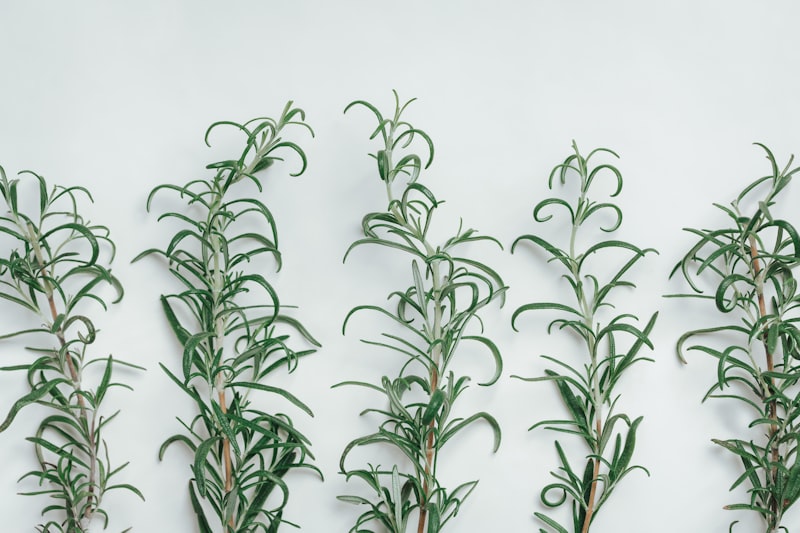
Only with major intervention. Build raised beds or mounds with at least 40% added grit and perlite. Rosemary and lavender planted directly in silty clay almost always die from root rot within their first winter. Container growing is honestly the safest approach for these species in silty clay conditions.
What is the biggest mistake when growing herbs in silty clay?
Overwatering. Silty clay already retains far more moisture than most herbs want. Gardeners who water on a schedule without checking soil moisture first drown their plants. Push your finger two inches into the soil before watering. If it feels damp, wait another day or two.
How do I improve silty clay for herb growing?
Add coarse organic matter like bark fines and composted wood chips rather than fine compost, which just adds more tiny particles. Gypsum helps flocculate clay particles without changing pH. Apply annually for three to four years and you will see genuine structural improvement in drainage and workability.
When is the best time to plant herbs in silty clay soil?
The ideal planting time for herbs in silty clay soil depends on both your climate zone and the soil's properties. Since silty clay soil has slow drainage, it warms up slowly in spring and stays cold and wet longer than other soil types. Wait until the soil temperature reaches at least 60°F (preferably 65-70°F) before planting warm-season herbs. You can check this by using a soil thermometer inserted 4 inches deep. Planting too early in cold, wet silty clay soil often leads to poor germination, damping off, and root diseases. For cool-season herbs, plant in early spring or late summer/fall. In silty clay soil, fall planting can be particularly successful as the soil retains warmth while air temperatures cool. Always amend the soil 2-3 weeks before planting to allow time for coarse organic matter, sand to integrate properly.
How can I prevent soil compaction when growing herbs in silty clay soil?
Soil compaction is a significant concern in silty clay soil, and preventing it is easier than correcting it after the fact. First, avoid working the soil when it's wet - if it sticks to your tools or forms a ball when squeezed, it's too wet to work. Working wet silty clay soil destroys soil structure and creates dense, compacted layers that restrict root growth for herbs. Use permanent pathways and avoid walking on planting beds. Consider installing stepping stones or boards to distribute your weight when you need to access the bed. Add 2-3 inches of compost or other organic matter annually to improve soil structure. As organic matter decomposes, it creates air spaces and improves drainage. Plant cover crops like daikon radish or clover during the off-season - their roots naturally break up compacted silty clay soil. If compaction is severe, consider creating raised beds filled with a custom soil mix, which allows better control over growing conditions for herbs.
Gardening Tips for Silty Clay Soil
- Work the soil when it is slightly moist, not wet. Wet clay compacts and forms hard clumps.
- Raised beds are an effective shortcut if your native clay is particularly dense.
- Add 2-3 inches of compost each season to gradually improve structure and drainage.
- Avoid walking on garden beds to prevent compaction of the clay beneath.
Other Plant Categories for Silty Clay Soil
Recommended Soil Amendments
As an Amazon Associate, we earn from qualifying purchases.