What Type of Soil Is in Phoenix, AZ (85001)?
Soil Profile
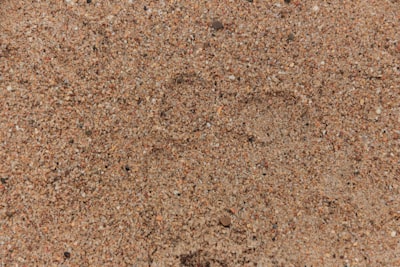
| Soil Type | Sandy |
|---|---|
| Soil Series | Mohall |
| pH Range | 7.8 - 8.6 (Strongly Alkaline) |
| Drainage | Well Drained |
| Organic Matter | 0.0% (Very Low) |
| Water Holding Capacity | 0.09 in/in (Low) |
| USDA Zone | Zone 9b (min 25°F) |
| Hydrologic Group | B |
What This Means for Your Garden
The dominant soil in Phoenix, AZ is Sandy soil. Sandy soils drain quickly and warm up fast in the spring, giving you an early start to the growing season. The tradeoff is that water and nutrients wash through easily, so you may need to water and fertilize more often. Adding compost builds up organic matter and helps the soil hold moisture.
The pH in your area ranges from 7.8 - 8.6, which is classified as Strongly Alkaline. Alkaline soil suits lavender, asparagus, and many herbs. To lower pH for acid-loving plants, you can work in elemental sulfur or acidic compost over time.
Your USDA hardiness zone is 9b, meaning winter lows can reach around 25 degrees Fahrenheit. This determines which perennials, trees, and shrubs will survive winter in your area. Check the plant recommendations below for varieties suited to both your soil and climate.
Best Plants for Your Soil & Zone
These plants thrive in Sandy soil and USDA zone 9b.
Vegetables
Fruits
Flowers
Herbs
Trees
Shrubs
How to Improve Your Soil
Here are the top amendments recommended for Sandy soil:
- Compost — Dramatically improves water and nutrient retention
- Peat Moss — Increases water-holding capacity significantly
- Vermiculite — Absorbs and slowly releases water and nutrients
- Aged Manure — Adds organic matter and slow-release nutrients
Nearby Areas
Frequently Asked Questions
What type of soil is in Phoenix, AZ (85001)?
85001 has Sandy soil based on USDA soil survey data. It is well drained with a pH range of 7.8 - 8.6.
What USDA hardiness zone is 85001?
Phoenix, AZ (85001) is in USDA hardiness zone 9b, with minimum winter temperatures around 25 degrees Fahrenheit.
What grows well in Sandy soil?
Sandy soil works well for many common garden plants. Check the plant recommendations section above for vegetables, flowers, herbs, and trees that thrive in this soil type and zone 9b.
How do I improve Sandy soil for gardening?
The best approach is to add organic matter such as compost, aged manure, or leaf mold. See our full amendment guide for Sandy soil for step-by-step instructions.
Where does this soil data come from?
All soil data on MySoilType comes from the USDA Natural Resources Conservation Service (NRCS) Web Soil Survey, the most comprehensive source of soil information in the United States.