Best Flowers for Clay Loam Soil
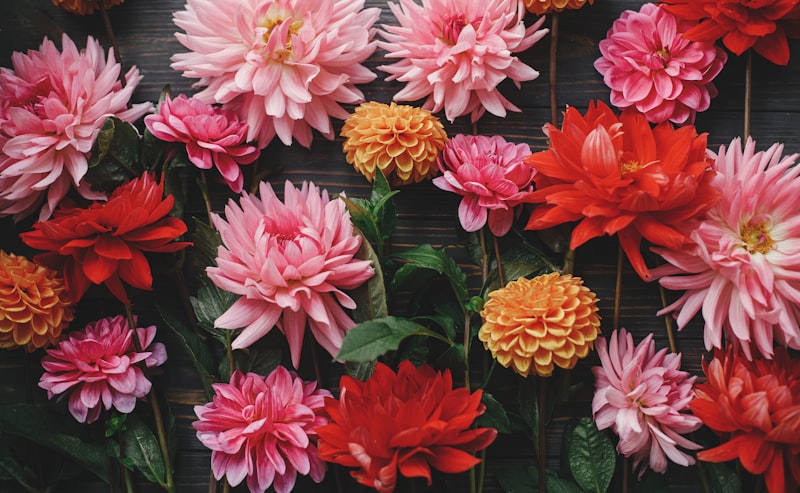
These flowers are well-suited to Clay Loam soil conditions. Each plant listed below tolerates or thrives in the drainage, pH, and texture characteristics typical of clay loam soil.
Rose
Rosa spp.
- Sun
- Full sun (6-8 hours)
- Water
- Regular, 1-2 inches/week; deep watering preferred
- Spacing
- 24-48 inches
- Days to Harvest
- Array
- pH Range
- 6.0 - 6.5
- Zones
- 3-11
Sunflower
Helianthus annuus
- Sun
- Full sun (6-8 hours)
- Water
- Moderate, 1 inch/week; drought tolerant once established
- Spacing
- 12-24 inches
- Days to Harvest
- Array
- pH Range
- 6.0 - 7.5
- Zones
- 2-11
Marigold
Tagetes spp.
- Sun
- Full sun (6-8 hours)
- Water
- Moderate, 1 inch/week
- Spacing
- 8-18 inches
- Days to Harvest
- Array
- pH Range
- 6.0 - 7.5
- Zones
- 2-11
Daffodil
Narcissus spp.
- Sun
- Full sun to partial shade (4-8 hours)
- Water
- Moderate during growth; dry during dormancy
- Spacing
- 4-6 inches
- Days to Harvest
- Array
- pH Range
- 6.0 - 7.0
- Zones
- 3-9
Hydrangea
Hydrangea macrophylla
- Sun
- Partial shade to full sun (4-6 hours)
- Water
- Regular, 1-2 inches/week; moisture loving
- Spacing
- 36-60 inches
- Days to Harvest
- Array
- pH Range
- 5.5 - 6.5
- Zones
- 5-9
Coneflower (Echinacea)
Echinacea purpurea
- Sun
- Full sun (6-8 hours)
- Water
- Low to moderate; drought tolerant once established
- Spacing
- 18-24 inches
- Days to Harvest
- Array
- pH Range
- 6.0 - 7.0
- Zones
- 3-9
Black-Eyed Susan
Rudbeckia hirta
- Sun
- Full sun (6-8 hours)
- Water
- Low to moderate; very drought tolerant
- Spacing
- 18-24 inches
- Days to Harvest
- Array
- pH Range
- 6.0 - 7.0
- Zones
- 3-9
Peony
Paeonia lactiflora
- Sun
- Full sun (6-8 hours)
- Water
- Regular, 1 inch/week
- Spacing
- 36-48 inches
- Days to Harvest
- Array
- pH Range
- 6.5 - 7.0
- Zones
- 3-8
Iris
Iris germanica
- Sun
- Full sun (6-8 hours)
- Water
- Low to moderate; good drainage essential
- Spacing
- 12-24 inches
- Days to Harvest
- Array
- pH Range
- 6.0 - 7.5
- Zones
- 3-10
Growing Flowers in Clay Loam Soil
Clay loam sits in a productive middle ground — it holds moisture and nutrients like clay but drains and warms more like loam thanks to its mixed particle structure. Perennial flowers that need consistent moisture without soggy roots perform brilliantly here. Peonies develop their best blooms in clay loam, producing flowers so heavy they require staking — a welcome problem. Iris germanica (bearded iris) loves the surface drainage with deeper moisture access, sending up spectacular bloom stalks each May. Hardy geraniums spread into thick groundcover mats, and phlox grows tall without the mildew issues it develops in wetter conditions. One practical advantage: clay loam holds granular fertilizer longer than sandier soils, so a single spring feeding sustains most flowering perennials through the entire growing season without the mid-summer boost lighter soils demand.
Winter and Spring Flower Care in Clay Loam
Clay loam's moisture retention creates specific challenges during the cold months that savvy gardeners turn into advantages. Fall-planted bulbs — tulips, daffodils, hyacinths — perform year after year in clay loam because the soil stays cool enough to provide the dormancy period bulbs need yet drains enough to prevent rot. Plant bulbs slightly shallower than general recommendations, about two-and-a-half times the bulb height, because clay loam's density slows shoot emergence in spring. Mark planting spots with small stakes so you avoid disturbing bulbs during early spring bed preparation. Wait until the soil crumbles when squeezed before working beds — clay loam that is still plastic and sticky will compact into clods that take weeks to break down. Top-dressing with fine compost in March gives early-emerging perennials an immediate nutrient boost as root activity resumes.
Soil Preparation Tips for Flowers in Clay Loam Soil
Preparing clay loam soil for flowers requires understanding both the soil's characteristics and the plants' needs. With moderate to slow drainage, clay loam soil provides a good foundation for flowers. Since flowers generally have shallow to moderate root systems, focus your soil preparation on the top 12 inches. Prepare your beds 2-3 weeks before planting to allow amendments to integrate. For flowers, this timing is crucial to ensure optimal growing conditions from day one.
Common Problems Growing Flowers in Clay Loam Soil
Growing flowers in clay loam soil presents some unique challenges that you can overcome with proper management. The primary concerns with clay loam soil include potential compaction, and slow drainage in wet weather. Flowering may be reduced or delayed if soil conditions are poor. Ensure adequate phosphorus and avoid excess nitrogen, which promotes foliage at the expense of blooms.
Frequently Asked Questions
What flowers grow best in clay loam?
Peonies, bearded iris, hardy geraniums, tall garden phlox, and helenium all excel in clay loam. The soil provides steady moisture and excellent nutrient retention. Shrub roses, especially disease-resistant varieties like Knock Out and Drift series, also produce abundant flowers without heavy maintenance in this soil type.
How do I prepare clay loam for a new flower bed?
Spread three inches of compost and one inch of coarse grit over the surface and fork them into the top eight inches. Avoid rototilling — it creates a compacted layer just below the tilled depth. Let the bed settle for two weeks before planting so soil particles rearrange naturally around air pockets.
Do bulbs grow well in clay loam soil?
Most spring bulbs perform reliably in clay loam for multiple years. Plant tulips, daffodils, and alliums slightly shallower than standard depth since the denser soil slows emergence. Add a handful of grit beneath each bulb cluster for extra drainage right at the base where rot typically starts.
When is the best time to plant flowers in clay loam soil?
The ideal planting time for flowers in clay loam soil depends on both your climate zone and the soil's properties. For cool-season flowers, plant in early spring or late summer/fall. In clay loam soil, fall planting can be particularly successful as the soil retains warmth while air temperatures cool. Always amend the soil 2-3 weeks before planting to allow time for organic matter to improve structure to integrate properly.
What should I do if my flowers show signs of nutrient deficiency in clay loam soil?
Nutrient deficiencies in flowers growing in clay loam soil often stem from pH imbalances rather than actual nutrient shortages. Foliar feeding with liquid fertilizer provides quick results while you work on correcting underlying pH issues. Spray diluted liquid fertilizer directly on leaves in the early morning or evening to avoid leaf burn. For flowers, maintaining proper soil pH is more important than heavy fertilization. Once pH is in the optimal range (6.0-7.0 for most plants), nutrient availability improves dramatically and deficiency symptoms usually resolve within 2-4 weeks.
Gardening Tips for Clay Loam Soil
- Work the soil when it is slightly moist, not wet. Wet clay compacts and forms hard clumps.
- Raised beds are an effective shortcut if your native clay is particularly dense.
- Add 2-3 inches of compost each season to gradually improve structure and drainage.
- Avoid walking on garden beds to prevent compaction of the clay beneath.