Best Vegetables for Clay Loam Soil
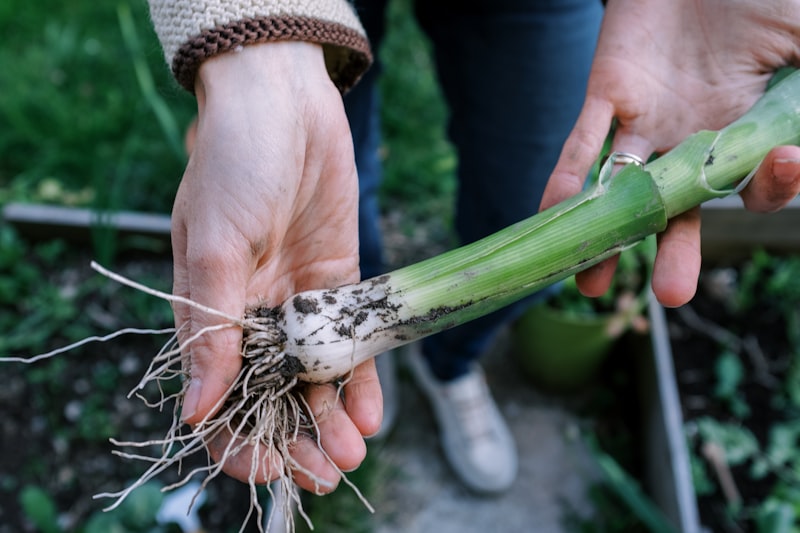
These vegetables are well-suited to Clay Loam soil conditions. Each plant listed below tolerates or thrives in the drainage, pH, and texture characteristics typical of clay loam soil.
Tomato
Solanum lycopersicum
- Sun
- Full sun (6-8 hours)
- Water
- Regular, 1-2 inches/week
- Spacing
- 24-36 inches
- Days to Harvest
- Array
- pH Range
- 6.0 - 6.8
- Zones
- 3-11
Beans (Green/Snap)
Phaseolus vulgaris
- Sun
- Full sun (6-8 hours)
- Water
- Regular, 1 inch/week
- Spacing
- 4-6 inches (bush), 6-8 inches (pole)
- Days to Harvest
- Array
- pH Range
- 6.0 - 7.0
- Zones
- 3-10
Peas
Pisum sativum
- Sun
- Full sun to partial shade (4-8 hours)
- Water
- Regular, 1 inch/week
- Spacing
- 2-4 inches
- Days to Harvest
- Array
- pH Range
- 6.0 - 7.5
- Zones
- 2-11
Squash (Summer/Winter)
Cucurbita spp.
- Sun
- Full sun (6-8 hours)
- Water
- Regular, 1-2 inches/week
- Spacing
- 36-60 inches
- Days to Harvest
- Array
- pH Range
- 6.0 - 7.0
- Zones
- 3-11
Broccoli
Brassica oleracea var. italica
- Sun
- Full sun (6-8 hours)
- Water
- Regular, 1-1.5 inches/week
- Spacing
- 18-24 inches
- Days to Harvest
- Array
- pH Range
- 6.0 - 7.0
- Zones
- 2-11
Cabbage
Brassica oleracea var. capitata
- Sun
- Full sun (6-8 hours)
- Water
- Regular, 1-1.5 inches/week
- Spacing
- 18-24 inches
- Days to Harvest
- Array
- pH Range
- 6.0 - 7.5
- Zones
- 1-10
Corn (Sweet)
Zea mays
- Sun
- Full sun (8+ hours)
- Water
- Regular, 1.5-2 inches/week; critical at tasseling
- Spacing
- 12-15 inches in blocks
- Days to Harvest
- Array
- pH Range
- 6.0 - 6.8
- Zones
- 4-11
Spinach
Spinacia oleracea
- Sun
- Full sun to partial shade (4-6 hours)
- Water
- Regular, 1-1.5 inches/week
- Spacing
- 4-6 inches
- Days to Harvest
- Array
- pH Range
- 6.5 - 7.5
- Zones
- 2-9
Kale
Brassica oleracea var. sabellica
- Sun
- Full sun to partial shade (4-8 hours)
- Water
- Regular, 1-1.5 inches/week
- Spacing
- 18-24 inches
- Days to Harvest
- Array
- pH Range
- 6.0 - 7.5
- Zones
- 2-11
Cauliflower
Brassica oleracea var. botrytis
- Sun
- Full sun (6+ hours)
- Water
- Regular, 1-2 inches/week; consistent moisture critical
- Spacing
- 18-24 inches
- Days to Harvest
- Array
- pH Range
- 6.0 - 7.0
- Zones
- 2-11
Zucchini
Cucurbita pepo
- Sun
- Full sun (6-8 hours)
- Water
- Regular, 1-2 inches/week
- Spacing
- 36-48 inches
- Days to Harvest
- Array
- pH Range
- 6.0 - 7.5
- Zones
- 3-11
Pumpkin
Cucurbita maxima / Cucurbita pepo
- Sun
- Full sun (6-8 hours)
- Water
- Regular, 1-2 inches/week; reduce near harvest
- Spacing
- 60-96 inches
- Days to Harvest
- Array
- pH Range
- 6.0 - 6.8
- Zones
- 3-9
Vegetable Gardening in Clay Loam
Clay loam offers a strong foundation for vegetable growing. The clay fraction holds water and nutrients tenaciously while the loam component provides enough pore space for adequate root growth and drainage. Brassicas are exceptional performers: broccoli, cabbage, and cauliflower develop large heads supported by the stable, nutrient-rich ground. Corn anchors firmly and accesses deep moisture reserves during hot spells. Squash and pumpkins spread their shallow roots across the surface, taking advantage of clay loam's moisture retention. The main limitation is timing: clay loam stays wet and cold longer in spring, pushing warm-season planting back by a week or two compared to lighter soils.
Bed Preparation for Clay Loam Vegetable Gardens
Prepare clay loam beds in fall when the soil is still workable. Spread 3 inches of coarse compost and fork it into the top 8 inches. Avoid rototilling, which can create a compacted pan layer just below the tilling depth. Mound beds 4 to 6 inches high to improve spring drainage. In spring, check soil readiness with the squeeze test: if a handful crumbles when poked, it is ready to plant. If it holds together like clay, wait another week. Once beds are established, annual compost additions and minimal tillage maintain the structure that makes clay loam so productive.
Soil Preparation Tips for Vegetables in Clay Loam Soil
Preparing clay loam soil for vegetables requires understanding both the soil's characteristics and the plants' needs. With moderate to slow drainage, clay loam soil provides a good foundation for vegetables. Since vegetables generally have varies - shallow (lettuce) to deep (tomatoes) root systems, focus your soil preparation on the top 12 inches. Prepare your beds 2-3 weeks before planting to allow amendments to integrate. For vegetables, this timing is crucial to ensure optimal growing conditions from day one.
Common Problems Growing Vegetables in Clay Loam Soil
Growing vegetables in clay loam soil presents some unique challenges that you can overcome with proper management. The primary concerns with clay loam soil include potential compaction, and slow drainage in wet weather. For vegetables, disease pressure often increases in clay loam soil. Practice crop rotation and maintain good air circulation to minimize fungal issues.
Frequently Asked Questions
What vegetables thrive in clay loam?
Brassicas (broccoli, cabbage, cauliflower, kale), corn, squash, pumpkins, beans, and peas all excel. Tomatoes and peppers do well once the soil warms. Root crops like beets and turnips work fine, but carrots may need deeper compost amendment for straight roots.
When can I plant in clay loam soil?
Wait until the soil passes the squeeze test: grab a handful and poke it. If it crumbles, plant. If it holds shape like clay, wait. Clay loam typically becomes plantable 1 to 2 weeks later than sandy soils in spring but stays workable longer in fall.
How do I improve clay loam for root vegetables?
For carrots and parsnips, dig a 12-inch-deep trench along the row and backfill with a 50-50 mix of native soil and compost. This gives roots a loose channel to grow straight while benefiting from the moisture and nutrients of the surrounding clay loam.
When is the best time to plant vegetables in clay loam soil?
The ideal planting time for vegetables in clay loam soil depends on both your climate zone and the soil's properties. For cool-season vegetables, plant in early spring or late summer/fall. In clay loam soil, fall planting can be particularly successful as the soil retains warmth while air temperatures cool. Always amend the soil 2-3 weeks before planting to allow time for organic matter to improve structure to integrate properly.
What should I do if my vegetables show signs of nutrient deficiency in clay loam soil?
Nutrient deficiencies in vegetables growing in clay loam soil often stem from pH imbalances rather than actual nutrient shortages. Foliar feeding with liquid fertilizer provides quick results while you work on correcting underlying pH issues. Spray diluted liquid fertilizer directly on leaves in the early morning or evening to avoid leaf burn. For vegetables, maintaining proper soil pH is more important than heavy fertilization. Once pH is in the optimal range (6.0-7.0 for most plants), nutrient availability improves dramatically and deficiency symptoms usually resolve within 2-4 weeks.
Gardening Tips for Clay Loam Soil
- Work the soil when it is slightly moist, not wet. Wet clay compacts and forms hard clumps.
- Raised beds are an effective shortcut if your native clay is particularly dense.
- Add 2-3 inches of compost each season to gradually improve structure and drainage.
- Avoid walking on garden beds to prevent compaction of the clay beneath.