Best Herbs for Clay Loam Soil
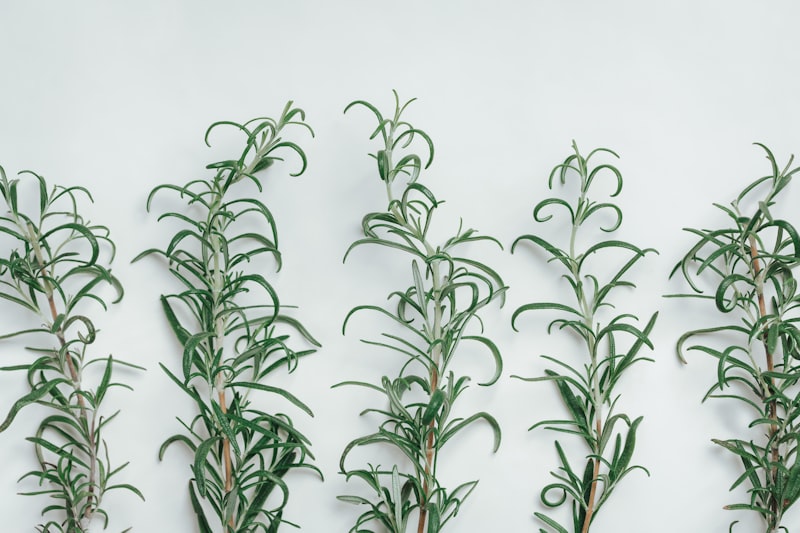
These herbs are well-suited to Clay Loam soil conditions. Each plant listed below tolerates or thrives in the drainage, pH, and texture characteristics typical of clay loam soil.
Mint
Mentha spp.
- Sun
- Partial shade to full sun (3-6 hours)
- Water
- Regular, 1-2 inches/week; moisture loving
- Spacing
- 18-24 inches (container recommended)
- Days to Harvest
- Array
- pH Range
- 6.0 - 7.0
- Zones
- 3-8
Chives
Allium schoenoprasum
- Sun
- Full sun to partial shade (4-8 hours)
- Water
- Regular, 1 inch/week
- Spacing
- 8-12 inches
- Days to Harvest
- Array
- pH Range
- 6.0 - 7.0
- Zones
- 3-9
Cultivating Herbs in Clay Loam Soil
Clay loam sits in a productive middle ground: heavier than sandy loam but far more workable than pure clay. It holds nutrients exceptionally well and retains adequate moisture through dry spells, which means herbs like sage, oregano, and thyme can establish deep, resilient root systems here. The key challenge is spring workability. Wait until clay loam dries enough that a squeezed handful crumbles rather than forming a sticky ball before you dig or plant. Forcing the issue compacts the soil and damages its structure for the entire season. Work in compost each autumn and let winter freeze-thaw cycles break up clods naturally. Chives and garlic chives are particularly well-suited here, producing thick clumps that return reliably year after year with zero fuss.
Winter Protection for Perennial Herbs in Clay Loam
Perennial herbs face their biggest risk in clay loam during winter, not from cold itself but from waterlogged roots sitting in soggy soil during dormancy. Rosemary and lavender are especially vulnerable. Improve survival rates by mounding gravel or grit around the base of these plants in late autumn, creating a drainage collar that channels water away from the crown. Cover tender herbs with horticultural fleece when hard frosts threaten, but remove it during mild spells to prevent humidity buildup. Cut back dead growth on thyme and oregano in late winter, just as new green shoots appear at the base. Sage benefits from hard pruning every third year to prevent woody, unproductive growth. Divide chives and tarragon clumps every three years to maintain vigor.
Soil Preparation Tips for Herbs in Clay Loam Soil
Preparing clay loam soil for herbs requires understanding both the soil's characteristics and the plants' needs. With moderate to slow drainage, clay loam soil provides a good foundation for herbs. Since herbs generally have shallow to moderate root systems, focus your soil preparation on the top 12 inches. Prepare your beds 2-3 weeks before planting to allow amendments to integrate. For herbs, this timing is crucial to ensure optimal growing conditions from day one.
Common Problems Growing Herbs in Clay Loam Soil
Growing herbs in clay loam soil presents some unique challenges that you can overcome with proper management. The primary concerns with clay loam soil include potential compaction, and slow drainage in wet weather. Many herbs lose flavor intensity when stressed. While some stress is beneficial for essential oil production, severe soil issues will reduce both growth and aromatic qualities.
Frequently Asked Questions
Which herbs handle clay loam soil well?
Sage, oregano, chives, garlic chives, and thyme all establish strong root systems in clay loam. Mint tolerates it effortlessly, though it spreads aggressively. Parsley and lovage also perform reliably. Mediterranean herbs need a gravel mulch for extra drainage around their crowns.
When is the best time to plant herbs in clay loam?
Late spring works best, once the soil has dried and warmed sufficiently. Avoid early spring planting when clay loam is still cold and sticky. Autumn planting of hardy perennials like thyme, sage, and chives also works well, giving roots time to establish before winter dormancy.
How do I prevent clay loam from compacting around herb roots?
Mulch with coarse organic material like bark chips or straw. Never walk on beds when soil is wet. Add compost annually to maintain soil structure. Earthworms do tremendous work in clay loam, so avoid synthetic fertilizers that harm worm populations and the natural aeration they provide.
When is the best time to plant herbs in clay loam soil?
The ideal planting time for herbs in clay loam soil depends on both your climate zone and the soil's properties. For cool-season herbs, plant in early spring or late summer/fall. In clay loam soil, fall planting can be particularly successful as the soil retains warmth while air temperatures cool. Always amend the soil 2-3 weeks before planting to allow time for organic matter to improve structure to integrate properly.
What should I do if my herbs show signs of nutrient deficiency in clay loam soil?
Nutrient deficiencies in herbs growing in clay loam soil often stem from pH imbalances rather than actual nutrient shortages. Foliar feeding with liquid fertilizer provides quick results while you work on correcting underlying pH issues. Spray diluted liquid fertilizer directly on leaves in the early morning or evening to avoid leaf burn. For herbs, maintaining proper soil pH is more important than heavy fertilization. Once pH is in the optimal range (6.0-7.0 for most plants), nutrient availability improves dramatically and deficiency symptoms usually resolve within 2-4 weeks.
Gardening Tips for Clay Loam Soil
- Work the soil when it is slightly moist, not wet. Wet clay compacts and forms hard clumps.
- Raised beds are an effective shortcut if your native clay is particularly dense.
- Add 2-3 inches of compost each season to gradually improve structure and drainage.
- Avoid walking on garden beds to prevent compaction of the clay beneath.