Best Fruits for Clay Soil
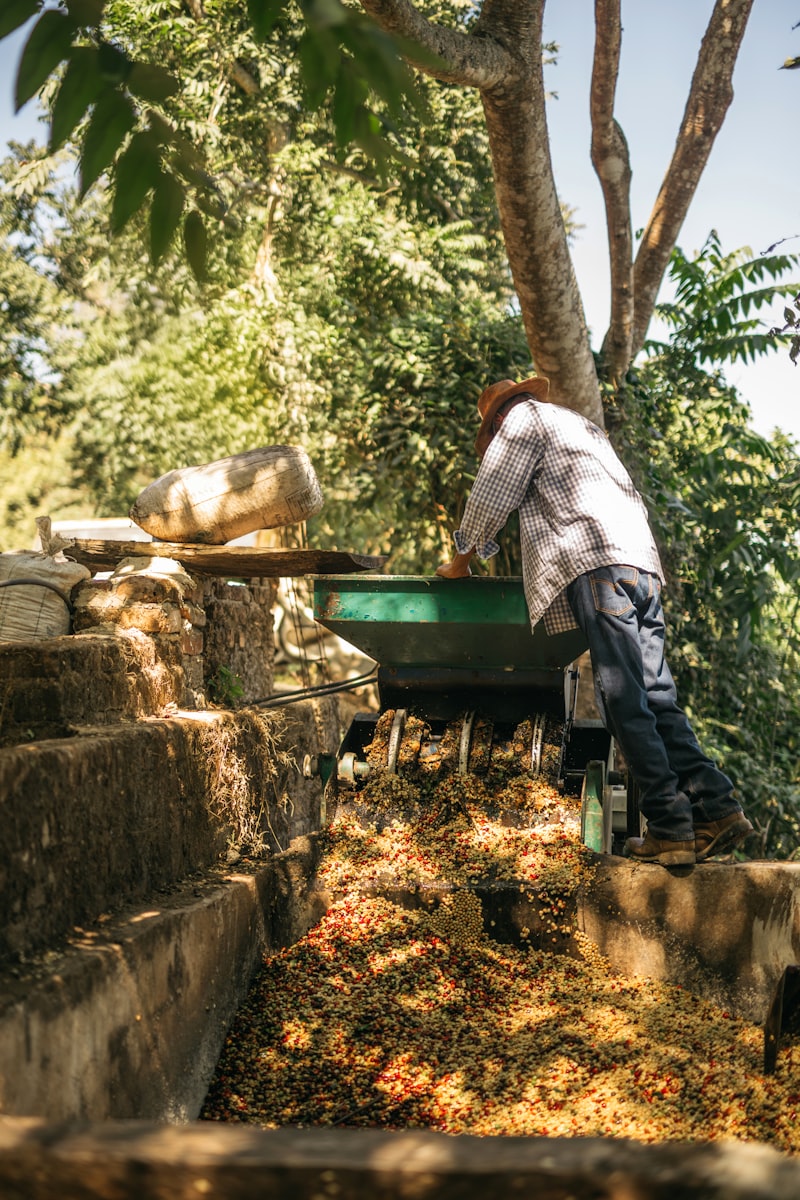
We are still building plant data for this combination. Check back soon or explore other soil types below.
Growing Fruits in Clay Soil
Clay soil is surprisingly productive for fruit growing once you understand its quirks. The dense particle structure retains moisture through dry spells, which suits deep-rooted fruit trees like apples and pears that need consistent water during fruit development. Plum trees are a standout performer in heavy clay because their roots tolerate waterlogged conditions better than most stone fruits. Strawberries struggle in unamended clay, but plant them on mounded rows with compost worked into the top six inches and they fruit heavily. Grapes can handle clay if you position them on a south-facing slope where water drains away from the crown. Avoid planting peaches directly into raw clay — they develop root rot within two seasons. Raspberries do surprisingly well because their shallow root system stays above the worst compaction zone.
Drainage Solutions for Clay Fruit Gardens
Installing French drains around fruit tree root zones is the single best investment you can make in a clay orchard. Dig a trench 18 inches deep and 12 inches wide around each tree at the drip line, fill it with gravel, and run perforated pipe to a lower point on your property. For berry patches, raised beds filled with a 60/40 mix of native clay and aged bark compost give roots the drainage they need without losing clay's nutrient-holding advantage. Mulch heavily with wood chips rather than straw — straw mats down on clay and traps moisture against plant crowns. Gypsum applications at 40 pounds per 1,000 square feet each fall gradually loosen clay structure without changing pH, which matters for blueberry growers managing acid levels separately.
Soil Preparation Tips for Fruits in Clay Soil
Preparing clay soil for fruits requires understanding both the soil's characteristics and the plants' needs. Since clay soil has slow drainage, creating raised beds or mounds is highly recommended for fruits. This prevents waterlogging around roots, which is especially critical for fruits that need deep watering, drought-tolerant once established. For fruits, which typically have deep - often 3-6 feet root systems, work amendments into the soil to a depth of at least 18-24 inches. The rich nutrient levels in clay soil are beneficial for fruits, but you'll still want to add organic matter, gypsum, sand to maintain soil structure. Be aware that clay soil is typically neutral to alkaline. Some fruits may show signs of nutrient deficiency in alkaline conditions, particularly iron chlorosis. Prepare your beds 2-3 weeks before planting to allow amendments to integrate. For fruits, this timing is crucial to ensure optimal growing conditions from day one.
Common Problems Growing Fruits in Clay Soil
Growing fruits in clay soil presents some unique challenges that you can overcome with proper management. The primary concerns with clay soil include compaction, waterlogging, and slow warming. Root rot is a common problem for fruits in clay soil due to poor drainage. Watch for yellowing leaves, wilting despite moist soil, and stunted growth. Prevent this by avoiding overwatering, ensuring good soil structure with organic matter, and consider installing drainage tiles in severely affected areas. Soil compaction can significantly impact fruits in clay soil, limiting root development and oxygen availability. Symptoms include stunted growth, shallow root systems, and poor nutrient uptake. Avoid walking on growing beds, add organic matter annually, and use a broadfork to gently aerate the soil without inverting it. pH-related nutrient lockout can occur in clay soil, which is neutral to alkaline. This affects how fruits absorb essential nutrients, particularly iron, manganese, and phosphorus. Test pH annually and adjust as needed - most fruits perform best in neutral to slightly acidic conditions. Fruit quality may suffer in suboptimal soil conditions. Monitor fruit development closely and adjust watering and fertilization based on plant response rather than strict schedules.
Frequently Asked Questions
What fruit trees grow best in clay soil?
Apple, pear, and plum trees handle clay soil well because they tolerate heavier moisture levels. Plant them slightly high — with the graft union three inches above grade — so water doesn't pool around the trunk. Crabapples and quince also thrive in dense clay without much amendment.
Can you grow strawberries in clay soil?
Yes, but mound the planting rows at least eight inches high and mix compost into the clay. June-bearing varieties like Earliglow handle clay better than everbearing types. Replace plants every three years because clay compacts around older root systems and reduces yields.
How do you improve clay soil for fruit trees?
Dig the planting hole twice as wide as the root ball but no deeper. Backfill with a mix of native clay and compost at a 70/30 ratio. Avoid adding pure sand — it creates a concrete-like texture. Top-dress with three inches of wood chip mulch annually to encourage earthworm activity.
What is the best planting depth for fruits in clay soil?
Proper planting depth is critical for fruits in clay soil to ensure healthy establishment. In clay soil with slow drainage, plant fruits slightly high to prevent water from pooling around the crown. The top of the root ball should be level with or 1-2 inches above the surrounding soil. Dig the planting hole 2-3 times wider than the root ball but no deeper. In clay soil, roughen the sides of the planting hole to prevent glazing, which can restrict root growth. Backfill with the native soil mixed with compost (no more than 25% compost), and water thoroughly to eliminate air pockets. Apply 2-3 inches of mulch around fruits, keeping it several inches away from the trunk or stems.
How can I prevent soil compaction when growing fruits in clay soil?
Soil compaction is a significant concern in clay soil, and preventing it is easier than correcting it after the fact. First, avoid working the soil when it's wet - if it sticks to your tools or forms a ball when squeezed, it's too wet to work. Working wet clay soil destroys soil structure and creates dense, compacted layers that restrict root growth for fruits. Use permanent pathways and avoid walking on planting beds. Consider installing stepping stones or boards to distribute your weight when you need to access the bed. Add 2-3 inches of compost or other organic matter annually to improve soil structure. As organic matter decomposes, it creates air spaces and improves drainage. For fruits with deep - often 3-6 feet root systems, use a broadfork to gently aerate the soil to 12-18 inches deep without inverting it. Plant cover crops like daikon radish or clover during the off-season - their roots naturally break up compacted clay soil. If compaction is severe, consider creating raised beds filled with a custom soil mix, which allows better control over growing conditions for fruits.
Gardening Tips for Clay Soil
- Work the soil when it is slightly moist, not wet. Wet clay compacts and forms hard clumps.
- Raised beds are an effective shortcut if your native clay is particularly dense.
- Add 2-3 inches of compost each season to gradually improve structure and drainage.
- Avoid walking on garden beds to prevent compaction of the clay beneath.