Best Herbs for Clay Soil
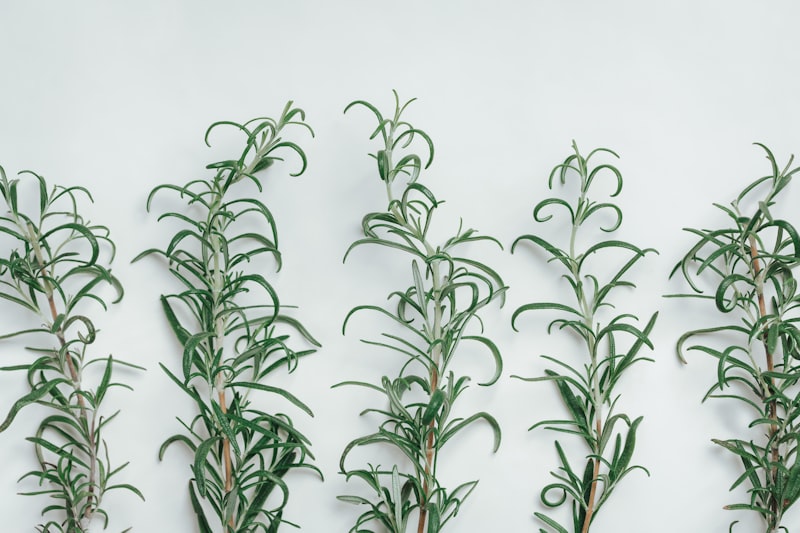
Mint and chives grow well in unamended clay soil — they tolerate the moisture retention and compact texture that kills Mediterranean herbs. Comfrey thrives in heavy clay without any amendments. For rosemary, thyme, and basil, build raised beds or work coarse grit and perlite into the top 12 inches to create the drainage these herbs require.
These herbs are well-suited to Clay soil conditions. Each plant listed below tolerates or thrives in the drainage, pH, and texture characteristics typical of clay soil.
Mint
Mentha spp.
- Sun
- Partial shade to full sun (3-6 hours)
- Water
- Regular, 1-2 inches/week; moisture loving
- Spacing
- 18-24 inches (container recommended)
- Days to Harvest
- Array
- pH Range
- 6.0 - 7.0
- Zones
- 3-8
Chives
Allium schoenoprasum
- Sun
- Full sun to partial shade (4-8 hours)
- Water
- Regular, 1 inch/week
- Spacing
- 8-12 inches
- Days to Harvest
- Array
- pH Range
- 6.0 - 7.0
- Zones
- 3-9
Growing Herbs in Clay Soil
Clay soil presents a real challenge for most herbs because it holds moisture like a sponge and compacts into a dense, airless mass. Mediterranean herbs like rosemary and thyme struggle badly here since their roots rot in waterlogged conditions. The workaround is aggressive soil amendment: dig in coarse grit, perlite, and aged compost at a ratio of roughly one part amendment to two parts native clay. Raised beds work exceptionally well, letting you bypass the drainage problem entirely. Mint and chives actually tolerate clay better than most herbs, so start there if you're new to herb gardening on heavy ground. Comfrey thrives in unamended clay and makes excellent compost tea for feeding your other plants. Plant in spring once the soil has warmed and dried enough to crumble when squeezed.
Container Herb Gardens for Clay Soil Properties
When your clay soil refuses to cooperate, containers offer the fastest path to a productive herb garden. Use terracotta pots with generous drainage holes and fill them with a mix of quality potting soil, perlite, and a handful of horticultural sand. Basil, cilantro, and parsley perform brilliantly in 10-inch pots on a sunny patio. Group your containers by water needs: rosemary and sage together since they prefer drier conditions, and basil with parsley since both like consistent moisture. Move pots against a south-facing wall in autumn for extra warmth. Feeding every two weeks with diluted fish emulsion keeps container herbs productive through the growing season. Repot annually in fresh mix because old potting soil compacts and loses structure over time.
Soil Preparation Tips for Herbs in Clay Soil
Preparing clay soil for herbs requires understanding both the soil's characteristics and the plants' needs. Since clay soil has slow drainage, creating raised beds or mounds is highly recommended for herbs. This prevents waterlogging around roots, which is especially critical for herbs that prefer drier conditions. Since herbs generally have shallow to moderate root systems, focus your soil preparation on the top 12 inches. The rich nutrient levels in clay soil are beneficial for herbs, but you'll still want to add organic matter, gypsum, and coarse sand to maintain soil structure. Be aware that clay soil is typically neutral to alkaline. Some herbs may show signs of nutrient deficiency in alkaline conditions, particularly iron chlorosis. Prepare your beds 2-3 weeks before planting to allow amendments to integrate fully.
Common Problems Growing Herbs in Clay Soil
Growing herbs in clay soil presents some unique challenges that you can overcome with proper management. The primary concerns with clay soil include compaction, waterlogging, and slow warming. Root rot is a common problem for herbs in clay soil due to poor drainage. Watch for yellowing leaves, wilting despite moist soil, and stunted growth. Prevent this by avoiding overwatering, ensuring good soil structure with organic matter, and consider installing drainage tiles in severely affected areas. Soil compaction can significantly impact herbs in clay soil, limiting root development and oxygen availability. Symptoms include stunted growth, shallow root systems, and poor nutrient uptake. Avoid walking on growing beds, add organic matter annually, and use a broadfork to gently aerate the soil without inverting it. pH-related nutrient lockout can occur in clay soil, which is neutral to alkaline. This affects how herbs absorb essential nutrients, particularly iron, manganese, and phosphorus. Test pH annually and adjust as needed — most herbs perform best in neutral to slightly acidic conditions.
Frequently Asked Questions
Which herbs grow best in clay soil without amendments?
Mint, comfrey, and chives handle unamended clay reasonably well. Mint actually spreads aggressively in clay and benefits from being contained. Chives tolerate the moisture and heavy texture without fuss. Most other herbs need at least some grit or compost worked into the planting area to survive long-term.
How do I improve clay soil drainage for herb gardens?
Work coarse horticultural grit and aged compost into the top 12 inches of soil. A ratio of one shovel of grit per two shovels of clay works well. Avoid fine sand, which actually worsens compaction. Repeat annually for three years and the soil structure transforms noticeably.
Can I grow rosemary in clay soil?
Rosemary struggles in pure clay because it demands sharp drainage. Plant it in a raised bed or mound with heavily amended soil mixing in 50% grit. Alternatively, grow rosemary in a large terracotta pot with free-draining potting mix and overwinter it indoors in cold climates.
When is the best time to plant herbs in clay soil?
Wait until the soil temperature reaches at least 60°F (preferably 65-70°F) before planting warm-season herbs. Check with a soil thermometer inserted 4 inches deep. Clay soil warms up slowly in spring and stays cold and wet longer than other soil types. Planting too early leads to poor germination, damping off, and root diseases. For cool-season herbs like chives and mint, plant in early spring or late summer.
How can I prevent soil compaction when growing herbs in clay soil?
Avoid working the soil when it's wet — if it sticks to your tools or forms a ball when squeezed, it's too wet to work. Use permanent pathways and avoid walking on planting beds. Add 2-3 inches of compost annually to improve soil structure. Plant cover crops like daikon radish during the off-season — their roots naturally break up compacted clay layers.
Gardening Tips for Clay Soil
- Work the soil when it is slightly moist, not wet. Wet clay compacts and forms hard clumps.
- Raised beds are an effective shortcut if your native clay is particularly dense.
- Add 2-3 inches of compost each season to gradually improve structure and drainage.
- Avoid walking on garden beds to prevent compaction of the clay beneath.