Best Vegetables for Clay Soil
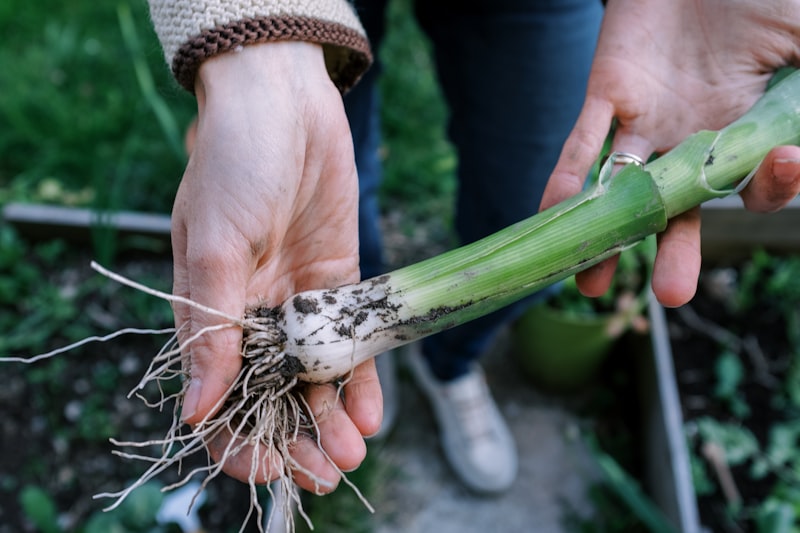
These vegetables are well-suited to Clay soil conditions. Each plant listed below tolerates or thrives in the drainage, pH, and texture characteristics typical of clay soil.
Broccoli
Brassica oleracea var. italica
- Sun
- Full sun (6-8 hours)
- Water
- Regular, 1-1.5 inches/week
- Spacing
- 18-24 inches
- Days to Harvest
- Array
- pH Range
- 6.0 - 7.0
- Zones
- 2-11
Cabbage
Brassica oleracea var. capitata
- Sun
- Full sun (6-8 hours)
- Water
- Regular, 1-1.5 inches/week
- Spacing
- 18-24 inches
- Days to Harvest
- Array
- pH Range
- 6.0 - 7.5
- Zones
- 1-10
Kale
Brassica oleracea var. sabellica
- Sun
- Full sun to partial shade (4-8 hours)
- Water
- Regular, 1-1.5 inches/week
- Spacing
- 18-24 inches
- Days to Harvest
- Array
- pH Range
- 6.0 - 7.5
- Zones
- 2-11
Growing Vegetables in Clay Soil
Clay soil frustrates many vegetable gardeners, but the right approach turns it into an asset. Clay holds nutrients and moisture better than any other soil type, meaning less fertilizing and less watering once plants establish. The trick is choosing vegetables that tolerate slow drainage and dense structure. Brassicas like broccoli, cabbage, and Brussels sprouts actually prefer heavy soil because their large root systems anchor firmly in clay. Squash and pumpkins send shallow, spreading roots that navigate clay's surface layers effectively. Beans fix their own nitrogen and tolerate compacted ground. Avoid root crops like carrots and parsnips in unamended clay — they fork and twist fighting through the dense particles.
Raised Rows and Timing for Clay Vegetable Gardens
Mounding soil into raised rows 6 to 8 inches high dramatically improves drainage for vegetables in clay. Water drains off the sides of the mound, keeping the root zone from staying saturated. Plant warm-season vegetables two weeks later than the calendar suggests, because clay holds cold moisture longer in spring. The flip side is that clay stays warmer longer in fall, extending your harvest by a week or two compared to sandy ground. Work in compost every season: 3 to 4 inches turned into the top 8 inches of each bed. After three years of this routine, most clay gardens grow vegetables as well as any loam.
Soil Preparation Tips for Vegetables in Clay Soil
Preparing clay soil for vegetables requires understanding both the soil's characteristics and the plants' needs. Since clay soil has slow drainage, creating raised beds or mounds is highly recommended for vegetables. This prevents waterlogging around roots, which is especially critical for vegetables that need consistent moisture for best yields. Since vegetables generally have varies - shallow (lettuce) to deep (tomatoes) root systems, focus your soil preparation on the top 12 inches. The rich nutrient levels in clay soil are beneficial for vegetables, but you'll still want to add organic matter, gypsum, sand to maintain soil structure. Be aware that clay soil is typically neutral to alkaline. Some vegetables may show signs of nutrient deficiency in alkaline conditions, particularly iron chlorosis. Prepare your beds 2-3 weeks before planting to allow amendments to integrate. For vegetables, this timing is crucial to ensure optimal growing conditions from day one.
Common Problems Growing Vegetables in Clay Soil
Growing vegetables in clay soil presents some unique challenges that you can overcome with proper management. The primary concerns with clay soil include compaction, waterlogging, and slow warming. Root rot is a common problem for vegetables in clay soil due to poor drainage. Watch for yellowing leaves, wilting despite moist soil, and stunted growth. Prevent this by avoiding overwatering, ensuring good soil structure with organic matter, and consider installing drainage tiles in severely affected areas. Soil compaction can significantly impact vegetables in clay soil, limiting root development and oxygen availability. Symptoms include stunted growth, shallow root systems, and poor nutrient uptake. Avoid walking on growing beds, add organic matter annually, and use a broadfork to gently aerate the soil without inverting it. pH-related nutrient lockout can occur in clay soil, which is neutral to alkaline. This affects how vegetables absorb essential nutrients, particularly iron, manganese, and phosphorus. Test pH annually and adjust as needed - most vegetables perform best in neutral to slightly acidic conditions. For vegetables, disease pressure often increases in clay soil. Practice crop rotation and maintain good air circulation to minimize fungal issues.
Frequently Asked Questions
What vegetables grow best in clay soil?
Brassicas (broccoli, cabbage, cauliflower, kale), squash, pumpkins, beans, peas, lettuce, and chard all perform well in clay. These crops tolerate slower drainage and benefit from clay's excellent nutrient retention. Potatoes can also work in lightly amended clay.
Should I use raised beds for vegetables in clay?
Raised beds or mounded rows are highly recommended. Even a 6-inch mound improves drainage enough for most vegetables. Fill raised beds with a loam-compost blend rather than pure clay for the best results, and the native clay beneath provides a moisture reservoir.
How do I prepare clay soil for a vegetable garden?
Start in fall by spreading 4 inches of compost and working it into the top 8 to 10 inches. Add gypsum at 40 pounds per 1,000 square feet. Let winter freeze-thaw cycles break up clods. By spring, the soil will be noticeably more workable. Repeat annually for 3 years.
When is the best time to plant vegetables in clay soil?
The ideal planting time for vegetables in clay soil depends on both your climate zone and the soil's properties. Since clay soil has slow drainage, it warms up slowly in spring and stays cold and wet longer than other soil types. Wait until the soil temperature reaches at least 60°F (preferably 65-70°F) before planting warm-season vegetables. You can check this by using a soil thermometer inserted 4 inches deep. Planting too early in cold, wet clay soil often leads to poor germination, damping off, and root diseases. For cool-season vegetables, plant in early spring or late summer/fall. In clay soil, fall planting can be particularly successful as the soil retains warmth while air temperatures cool. Always amend the soil 2-3 weeks before planting to allow time for organic matter, gypsum, sand to integrate properly.
How can I prevent soil compaction when growing vegetables in clay soil?
Soil compaction is a significant concern in clay soil, and preventing it is easier than correcting it after the fact. First, avoid working the soil when it's wet - if it sticks to your tools or forms a ball when squeezed, it's too wet to work. Working wet clay soil destroys soil structure and creates dense, compacted layers that restrict root growth for vegetables. Use permanent pathways and avoid walking on planting beds. Consider installing stepping stones or boards to distribute your weight when you need to access the bed. Add 2-3 inches of compost or other organic matter annually to improve soil structure. As organic matter decomposes, it creates air spaces and improves drainage. Plant cover crops like daikon radish or clover during the off-season - their roots naturally break up compacted clay soil. If compaction is severe, consider creating raised beds filled with a custom soil mix, which allows better control over growing conditions for vegetables.
Gardening Tips for Clay Soil
- Work the soil when it is slightly moist, not wet. Wet clay compacts and forms hard clumps.
- Raised beds are an effective shortcut if your native clay is particularly dense.
- Add 2-3 inches of compost each season to gradually improve structure and drainage.
- Avoid walking on garden beds to prevent compaction of the clay beneath.