Best Flowers for Rocky Soil
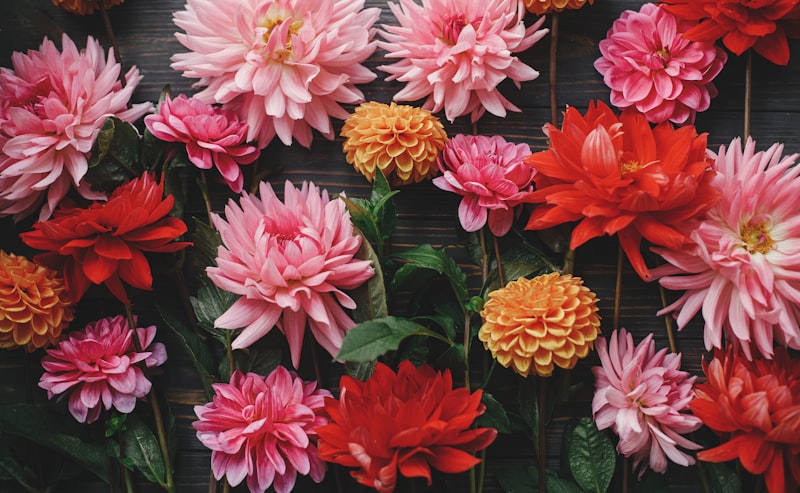
These flowers are well-suited to Rocky soil conditions. Each plant listed below tolerates or thrives in the drainage, pH, and texture characteristics typical of rocky soil.
Lavender
Lavandula angustifolia
- Sun
- Full sun (6-8 hours)
- Water
- Low, 0.5 inch/week; drought tolerant
- Spacing
- 12-18 inches
- Days to Harvest
- Array
- pH Range
- 6.5 - 8.0
- Zones
- 5-9
Growing Flowers in Rocky Soil
Rocky soil tests a gardener's creativity but rewards persistence with some of the most striking flower displays possible. Alpine and rock garden plants evolved in exactly these conditions — thin soil pockets between stones, sharp drainage, and intense sun exposure reflected off rock surfaces. Aubrieta cascades over boulders in sheets of purple and pink, while creeping thyme fills crevices with fragrant, bee-attracting flowers. Dianthus alpinus thrives wedged between rocks where its roots stay cool while its foliage bakes in full sun. Sedums and sempervivums colonize the thinnest soil deposits, creating living mosaics across rocky outcrops. For larger flowers in rocky ground, excavate individual planting pockets and fill them with a mix of compost and the native rocky soil — this creates micro-environments where daylilies, coneflowers, and black-eyed Susans establish strong root systems anchored by the surrounding stone.
Building Soil Pockets for Diverse Flower Planting in Rock
Transforming a rocky site into a productive flower garden happens pocket by pocket, not by trying to remove every stone. Identify natural depressions and gaps between larger rocks where soil accumulates naturally. Enlarge these pockets with a pry bar, then fill with a mix of one part compost, one part native soil, and one part coarse grit. This creates planting spots that drain freely — critical because water collecting against rock faces causes root rot faster than any soil texture alone. Trailing plants like alyssum, iberis, and campanula portenschlagiana grow from pockets and cascade over rock faces, softening the hard landscape with flower color. For vertical rock faces, pack crevices with a clay-compost paste and press in sempervivum offsets or small rooted cuttings of rock cress. They root into the paste within weeks and become permanent features that spread slowly across the stone surface.
Soil Preparation Tips for Flowers in Rocky Soil
Preparing rocky soil for flowers requires understanding both the soil's characteristics and the plants' needs. With excellent drainage, rocky soil provides a good foundation for flowers. Since flowers generally have shallow to moderate root systems, focus your soil preparation on the top 12 inches. Prepare your beds 2-3 weeks before planting to allow amendments to integrate. For flowers, this timing is crucial to ensure optimal growing conditions from day one.
Common Problems Growing Flowers in Rocky Soil
Growing flowers in rocky soil presents some unique challenges that you can overcome with proper management. The primary concerns with rocky soil include shallow soil depth, limited root space, and drought stress. Flowering may be reduced or delayed if soil conditions are poor. Ensure adequate phosphorus and avoid excess nitrogen, which promotes foliage at the expense of blooms.
Frequently Asked Questions
What flowers grow naturally in rocky soil?
Alpine species like aubrieta, rock cress, dianthus alpinus, creeping thyme, and sedums evolved for rocky conditions. Wildflowers including columbine, wild geranium, and penstemons also grow naturally in thin rocky soils. These plants require minimal soil depth and actually perform worse in rich, deep garden beds.
How do I create flower beds in very rocky ground?
Build raised beds directly on top of the rock using landscape timbers or dry-stacked stone walls. Fill with imported topsoil and compost to a depth of at least twenty centimeters. Alternatively, carve individual planting pockets into soil gaps between rocks and fill with enriched growing mix.
Do I need to remove rocks before planting flowers?
Not necessarily. Rocks provide thermal mass that warms soil in spring and protects roots in winter. Remove only stones directly in the planting hole. Surface rocks serve as natural mulch, reducing evaporation and suppressing weeds. Many rock garden flowers actually grow better surrounded by stones than in open soil.
When is the best time to plant flowers in rocky soil?
The ideal planting time for flowers in rocky soil depends on both your climate zone and the soil's properties. For cool-season flowers, plant in early spring or late summer/fall. In rocky soil, fall planting can be particularly successful as the soil retains warmth while air temperatures cool. Always amend the soil 2-3 weeks before planting to allow time for build up soil in raised areas, mulch heavily to integrate properly.
What should I do if my flowers show signs of nutrient deficiency in rocky soil?
Nutrient deficiencies in flowers growing in rocky soil often stem from pH imbalances rather than actual nutrient shortages. Foliar feeding with liquid fertilizer provides quick results while you work on correcting underlying pH issues. Spray diluted liquid fertilizer directly on leaves in the early morning or evening to avoid leaf burn. For flowers, maintaining proper soil pH is more important than heavy fertilization. Once pH is in the optimal range (6.0-7.0 for most plants), nutrient availability improves dramatically and deficiency symptoms usually resolve within 2-4 weeks.
Gardening Tips for Rocky Soil
- Test your soil annually for pH and nutrients to guide your amendment strategy.
- Add organic matter like compost every year to improve structure and fertility.
- Mulch around plants to conserve moisture and regulate soil temperature.
- Rotate your plantings to prevent pest and disease issues from building up.