Best Shrubs for Rocky Soil
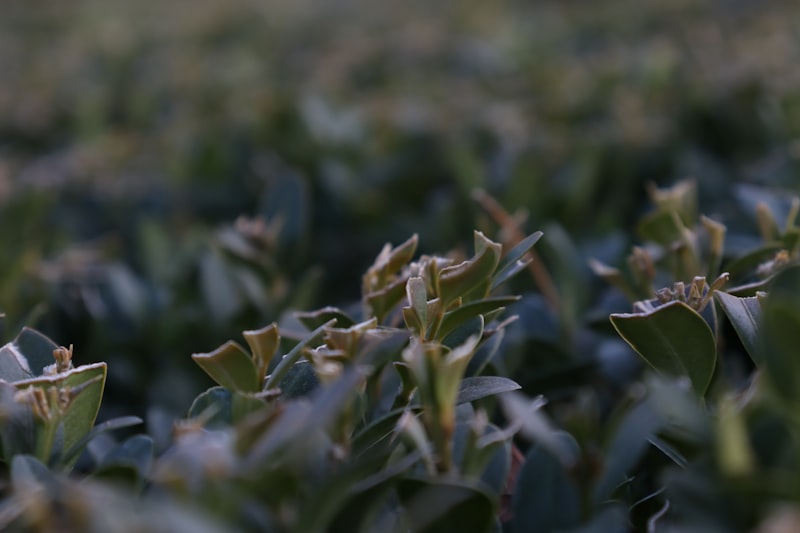
These shrubs are well-suited to Rocky soil conditions. Each plant listed below tolerates or thrives in the drainage, pH, and texture characteristics typical of rocky soil.
Juniper
Juniperus spp.
- Sun
- Full sun (6-8 hours)
- Water
- Low; very drought tolerant once established
- Spacing
- 24-96 inches (varies by species)
- Days to Harvest
- Array
- pH Range
- 5.5 - 8.0
- Zones
- 2-9
Growing Shrubs in Rocky Soil
Rocky soil challenges gardeners with limited root space, rapid drainage, and difficult digging, but it offers advantages most people overlook — excellent aeration, fast warming in spring, and natural weed suppression from stone barriers. Juniper species evolved on rocky hillsides and genuinely perform better in stone-laden soil than in amended garden beds. Barberry sends roots between and around rocks, anchoring itself where other shrubs would topple. Mountain laurel (Kalmia) is a native rock-garden species whose fibrous roots spread through thin soil layers above bedrock. When planting in rocky soil, don't waste energy removing every stone — instead, find pockets of deeper soil between rock outcrops and concentrate plantings there. Smaller container-grown shrubs establish far better than balled-and-burlapped specimens because their compact root balls fit between stones. Water deeply but infrequently; rocky soil drains fast but rocks themselves store heat and radiate it back to roots.
Creating Soil Pockets for Shrub Planting Among Rocks
The key technique for rocky-ground shrub gardens is building soil upward rather than digging downward. Construct retaining walls using the excavated rocks and fill behind them with imported topsoil and compost. These terraced pockets provide sufficient root depth — 12 to 18 inches is enough for most ornamental shrubs. Position the pockets to capture runoff from rock surfaces above; this passive irrigation reduces watering needs significantly. For natural-looking plantings, tuck small shrubs like dwarf deutzia, creeping juniper, or rock spray cotoneaster into existing crevices with a handful of compost. Their roots will find moisture channels between stones that surface observation misses. Larger shrubs like viburnums and serviceberry need genuine soil pockets of at least 2 cubic feet. Amend these pockets with water-retentive compost mixed 50/50 with native soil to prevent the fill from becoming a disconnected island that dries out independently of surrounding ground.
Soil Preparation Tips for Shrubs in Rocky Soil
Preparing rocky soil for shrubs requires understanding both the soil's characteristics and the plants' needs. With excellent drainage, rocky soil provides a good foundation for shrubs. Since shrubs generally have moderate to deep root systems, focus your soil preparation on the top 12 inches. Prepare your beds 2-3 weeks before planting to allow amendments to integrate. For shrubs, this timing is crucial to ensure optimal growing conditions from day one.
Common Problems Growing Shrubs in Rocky Soil
Growing shrubs in rocky soil presents some unique challenges that you can overcome with proper management. The primary concerns with rocky soil include shallow soil depth, limited root space, and drought stress. Long-term establishment can be compromised by poor soil conditions. Pay extra attention to soil preparation at planting time - correcting issues later is much more difficult with woody plants.
Frequently Asked Questions
What shrubs grow well in rocky soil?
Juniper, barberry, cotoneaster, mountain laurel, and rock rose (Cistus) are natural fits. Dwarf varieties of spirea and potentilla also perform well in shallow rocky soil. Native species like sumac and bayberry colonize rocky sites aggressively. Avoid deep-rooted species like lilac that need substantial soil depth.
How do I dig planting holes in rocky ground?
Use a digging bar or mattock rather than a standard shovel. Pry stones loose rather than trying to cut through them. If you hit solid bedrock within 12 inches, shift the planting location — don't force it. A pickaxe and patience are more effective than power equipment in most rocky garden situations.
Do rocks in soil help or hurt shrub growth?
Both. Rocks improve drainage and aeration, store solar heat that extends the growing season, and prevent compaction. They also limit root spread, reduce water-holding capacity, and make planting physically harder. The net effect depends on stone density — 20-30% rock content is manageable, above 50% is limiting.
What is the best planting depth for shrubs in rocky soil?
Proper planting depth is critical for shrubs in rocky soil to ensure healthy establishment. Given the shallow nature of rocky soil, you may need to build up the planting area rather than digging down. Plant shrubs slightly higher than they were in the nursery pot - the root crown should be 1-2 inches above the surrounding soil level. Dig the planting hole 2-3 times wider than the root ball but no deeper. In rocky soil, roughen the sides of the planting hole to prevent glazing, which can restrict root growth. Backfill with the native soil mixed with compost (no more than 25% compost), and water thoroughly to eliminate air pockets. Apply 2-3 inches of mulch around shrubs, keeping it several inches away from the trunk or stems.
What should I do if my shrubs show signs of nutrient deficiency in rocky soil?
Nutrient deficiencies in shrubs growing in rocky soil often stem from pH imbalances rather than actual nutrient shortages. Foliar feeding with liquid fertilizer provides quick results while you work on correcting underlying pH issues. Spray diluted liquid fertilizer directly on leaves in the early morning or evening to avoid leaf burn. For shrubs, maintaining proper soil pH is more important than heavy fertilization. Once pH is in the optimal range (6.0-7.0 for most plants), nutrient availability improves dramatically and deficiency symptoms usually resolve within 2-4 weeks.
Gardening Tips for Rocky Soil
- Test your soil annually for pH and nutrients to guide your amendment strategy.
- Add organic matter like compost every year to improve structure and fertility.
- Mulch around plants to conserve moisture and regulate soil temperature.
- Rotate your plantings to prevent pest and disease issues from building up.