Best Vegetables for Rocky Soil
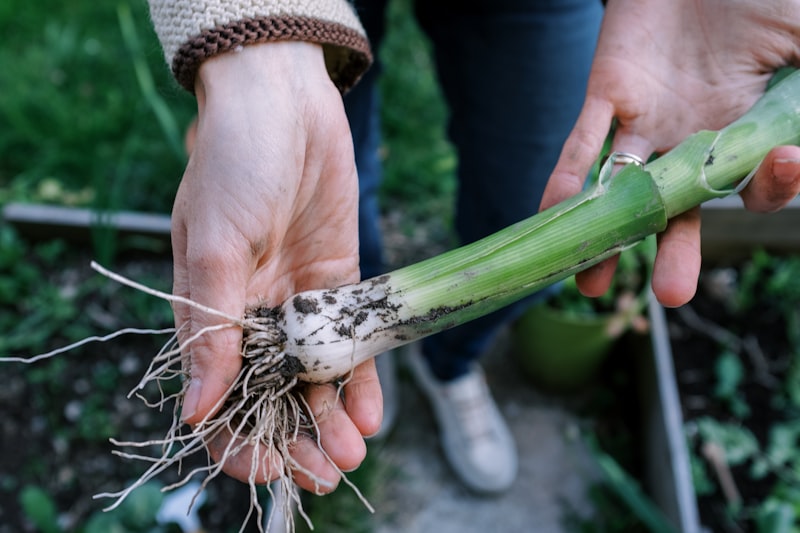
Rocky and stony ground is workable for vegetables when you choose crops that root wide rather than deep. Tomatoes, summer squash, Swiss chard, and bush beans all perform reliably in rocky conditions, and globe-type carrots like 'Atlas' sidestep the forking problem of long-root varieties. The key technique is building raised beds 12 to 18 inches deep directly over the rock surface, filling with a loam-compost mix that lets roots establish without fighting stone.
We are still building plant data for this combination. Check back soon or explore other soil types below.
Which Vegetables Actually Thrive in Rocky Soil
The crops that succeed in rocky ground share a common trait: their roots spread laterally rather than diving straight down. Summer squash and zucchini develop a wide, shallow network that navigates around stones with ease, and their heat tolerance pairs well with the warmth that rocks radiate back at night. Tomatoes and peppers root at 12 inches and anchor sideways, making them natural fits for raised beds built over rocky terrain. Swiss chard and spinach sit at the shallow end of the spectrum, needing only 6 to 8 inches of soil, and lettuce does fine in even less. Bush beans fix their own nitrogen and tolerate the lean, well-drained conditions that rocky ground naturally creates. The vegetables to skip are those demanding a long, straight taproot: standard carrots, parsnips, and beets all fork and twist when they hit stone, producing poor yields and difficult harvesting.
Globe Carrots and Other Root Crops That Work
Root vegetables are not off the table in rocky soil, but variety selection matters enormously. 'Atlas', a Parisian-type carrot, develops a round root about 1.5 to 2 inches in diameter that matures entirely in the top 2 inches of soil, making it your most reliable carrot on stony ground. Chantenay types, which are thick and conical rather than long and tapered, also handle shallow or rocky conditions far better than standard Nantes or Imperator varieties. Radishes, turnips, and rutabagas produce globe-shaped or short-cylindrical roots that rarely exceed 4 to 6 inches in depth, putting them firmly in reach. For all root crops on rocky ground, amend the planting zone generously with fine compost to give roots a stone-free medium to expand into, even if the surrounding soil is full of rocks.
Raised Bed Construction and Soil Preparation
The most effective approach to rocky ground is building raised frames directly on the rock or rubble surface rather than attempting to excavate it. A minimum depth of 12 inches accommodates leafy greens, beans, and peppers; go to 18 inches for tomatoes and squash if you want maximum yields. Fill with roughly 60 percent quality loam and 40 percent compost, avoiding straight topsoil that compacts quickly in a confined frame. The rock below serves as a natural drainage layer, so no gravel base is needed inside the bed. For in-ground planting pockets between rocks, clear a space at least 18 inches wide, remove loose stones to about 8 inches down, and backfill with compost-amended native soil. Prepare beds two to three weeks before planting so organic matter begins integrating before roots arrive. Mulch the surface with 2 to 3 inches of straw or wood chips to slow the rapid moisture loss that thin soil over rock is prone to.
Watering, Fertility, and the Heat Advantage
Shallow soil over rock dries faster than in-ground garden beds, particularly in summer heat. Plan on watering raised beds two to three times per week during peak summer rather than once, checking soil moisture at 3 inches depth before irrigating. Drip irrigation or soaker hoses are significantly more efficient than overhead watering in rocky terrain because they deliver water directly to the root zone and minimize evaporation from the exposed soil surface. On the fertility side, rocky soil is typically low in organic nitrogen because the limited microbial community in thin soil decomposes organic matter quickly. Side-dress with compost or a balanced organic fertilizer at four to six weeks after transplanting. The heat advantage is real: rock surfaces absorb daytime warmth and release it overnight, which can extend your effective frost-free season by a week or more at the margins of spring and fall, particularly valuable for heat-loving crops like tomatoes and peppers.
Seasonal Planning and Crop Rotation in Rocky Gardens
Rocky-ground gardeners benefit from planning the growing season in two distinct windows. Cool-season crops — lettuce, spinach, chard, radishes, and brassica transplants — go in as soon as the soil reaches 40 to 45 degrees Fahrenheit, typically four to six weeks before the last frost date. The rock's heat storage helps these crops through late cold snaps. Once soil hits 60 degrees, switch to warm-season crops: squash, beans, tomatoes, and peppers. Crop rotation matters even in raised beds over rock because pathogens can persist in the bed's soil year after year. Move brassicas, tomatoes, and beans to different beds on a three-year cycle. In fall, the same heat-retention effect that helps spring planting extends the harvest; tomatoes and peppers often produce two weeks longer on rocky hillside gardens than in valley ground that cools earlier.
Frequently Asked Questions
What is the best vegetable to grow in rocky soil?
Summer squash and zucchini are the most forgiving choices because their lateral roots navigate around stones without difficulty. Tomatoes, Swiss chard, spinach, and bush beans are close seconds. For root crops specifically, 'Atlas' globe carrots are the practical pick on stony ground, developing a round 2-inch root in just the top layer of soil.
How deep does raised bed soil need to be over rocky ground?
Twelve inches handles most vegetables including tomatoes and peppers, which root at 8 to 12 inches. Eighteen inches gives squash and cucumbers full root room and is the better target if you have the material. The rock below acts as a drainage layer, so no gravel or liner is needed at the bed base.
Can I grow carrots in rocky soil?
Standard long-root varieties fork and produce unmarketable roots in stony ground. 'Atlas' (Parisian) carrots develop a round root in the top 2 inches of soil and are the practical solution. Chantenay types, which are thick and short rather than long and tapered, also handle rocky and shallow conditions far better than Nantes or Imperator carrots.
How often do I need to water vegetables in a raised bed over rock?
Plan on two to three times per week in summer heat. Shallow soil over rock drains rapidly and has limited moisture reserves compared to deep in-ground beds. Check at 3 inches depth — if dry, water. Drip irrigation or soaker hoses cut water use significantly by targeting the root zone directly rather than wetting the whole surface.
Does rocky soil affect vegetable nutrition and fertilizing?
Rocky soil in raised beds typically has adequate nutrition if you fill with quality loam and compost, but the fast drainage means nutrients leach more quickly than in heavy soil. Side-dress with compost at four to six weeks after transplanting and again mid-season for heavy feeders like squash and tomatoes. A soil test every two years keeps the pH and nutrient picture accurate.
Which summer vegetables do best in thin rocky soil without raised beds?
Squash, cucumbers, and melons planted in composted pockets between rocks perform well because their roots spread horizontally across thin soil rather than diving deep. Beans and peppers are also candidates. Plant into cleared pockets at least 12 inches wide and 8 inches deep, filled with compost-amended soil, and mulch heavily to retain moisture.
Does rock in the garden damage vegetable roots?
Small rocks up to about an inch do not damage roots — plants simply grow around them. Problems arise when long root crops like parsnips or standard carrots meet resistance and fork. Surface rock and gravel also warms soil faster in spring, which benefits heat-loving crops. The main risk is too-shallow soil drying out quickly, which is managed by mulching and regular watering.
Gardening Tips for Rocky Soil
- Test your soil annually for pH and nutrients to guide your amendment strategy.
- Add organic matter like compost every year to improve structure and fertility.
- Mulch around plants to conserve moisture and regulate soil temperature.
- Rotate your plantings to prevent pest and disease issues from building up.