Best Herbs for Rocky Soil
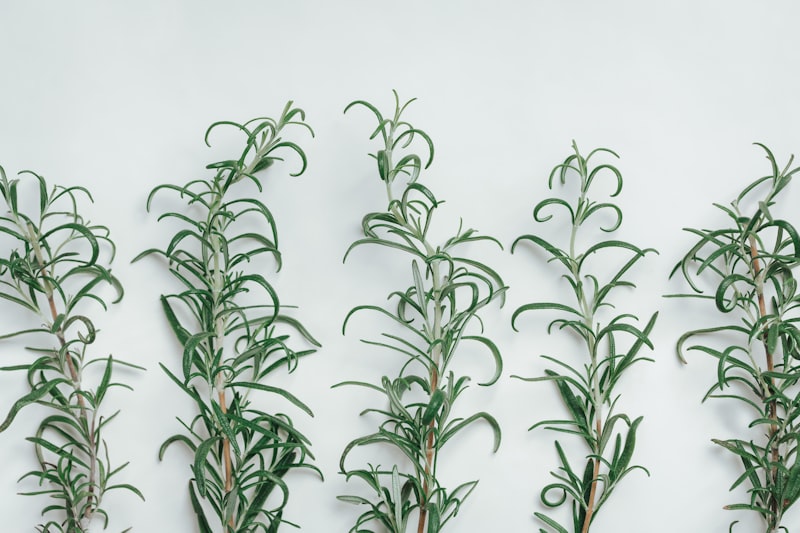
These herbs are well-suited to Rocky soil conditions. Each plant listed below tolerates or thrives in the drainage, pH, and texture characteristics typical of rocky soil.
Rosemary
Salvia rosmarinus
- Sun
- Full sun (6-8 hours)
- Water
- Low; drought tolerant once established
- Spacing
- 24-36 inches
- Days to Harvest
- Array
- pH Range
- 6.0 - 7.5
- Zones
- 7-10
Thyme
Thymus vulgaris
- Sun
- Full sun (6-8 hours)
- Water
- Low; drought tolerant
- Spacing
- 8-12 inches
- Days to Harvest
- Array
- pH Range
- 6.0 - 8.0
- Zones
- 5-9
Lavender (Culinary)
Lavandula angustifolia
- Sun
- Full sun (6-8 hours)
- Water
- Low; drought tolerant once established
- Spacing
- 12-18 inches
- Days to Harvest
- Array
- pH Range
- 6.5 - 8.0
- Zones
- 5-9
Growing Herbs Among Rocks and Gravel
Rocky soil frustrates most gardening ambitions, but herb growing is the notable exception. The fast drainage, reflected heat from stone surfaces, and lean growing conditions mimic the native habitats of most Mediterranean culinary herbs. Thyme creeps through crevices between rocks, producing intensely aromatic leaves. Rosemary wedges its roots into gaps and grows into a substantial bush over several years. Oregano colonizes gravelly patches and flowers prolifically, attracting pollinators to the garden. The practical challenge is establishing plants initially: dig planting pockets in gaps between rocks, fill with a mix of compost and gritty soil, and water new transplants regularly for the first season until roots find their way into deeper crevices. After establishment, these herbs become remarkably self-sufficient, needing almost no supplemental water or feeding.
Building a Rocky Herb Terrace
Transform a rocky slope into a productive herb terrace using dry stone wall construction techniques. Stack flat stones to create retaining walls eighteen inches high, angling them slightly back into the slope for stability. Fill behind each wall with a mix of excavated rocky soil and compost. Plant cascading herbs like prostrate rosemary, creeping thyme, and trailing oregano along the wall tops where they spill downward and soften the stonework. Tuck upright herbs like sage, chives, and French tarragon into the flat planting beds between terraces. The thermal mass of the stone walls absorbs daytime heat and releases it slowly at night, extending the growing season by several weeks on each end and protecting tender herbs from late spring frosts.
Soil Preparation Tips for Herbs in Rocky Soil
Preparing rocky soil for herbs requires understanding both the soil's characteristics and the plants' needs. With excellent drainage, rocky soil provides a good foundation for herbs. Since herbs generally have shallow to moderate root systems, focus your soil preparation on the top 12 inches. Prepare your beds 2-3 weeks before planting to allow amendments to integrate. For herbs, this timing is crucial to ensure optimal growing conditions from day one.
Common Problems Growing Herbs in Rocky Soil
Growing herbs in rocky soil presents some unique challenges that you can overcome with proper management. The primary concerns with rocky soil include shallow soil depth, limited root space, and drought stress. Many herbs lose flavor intensity when stressed. While some stress is beneficial for essential oil production, severe soil issues will reduce both growth and aromatic qualities.
Frequently Asked Questions
What herbs grow naturally in rocky terrain?
Thyme, rosemary, oregano, marjoram, savory, lavender, and hyssop all evolved on rocky Mediterranean hillsides. They genuinely prefer these conditions over rich garden soil. Wild thyme and oregano growing on rocky ground produce the most potent essential oils of any cultivated setting.
How do I plant herbs when there is barely any soil between rocks?
Create planting pockets by removing loose rock and filling gaps with compost mixed with gritty soil. Start with small transplants rather than seeds since they establish faster in limited soil volume. Water regularly for the first six weeks, then let roots find their own moisture in deeper crevices.
Do herbs in rocky soil need watering after they establish?
Rarely. Once Mediterranean herbs root into rock crevices, they access deeper moisture reserves and become remarkably drought-tolerant. Water only during extreme heatwaves or prolonged drought exceeding three weeks without rain. Overwatering established herbs in rocky soil actually causes more problems than underwatering.
When is the best time to plant herbs in rocky soil?
The ideal planting time for herbs in rocky soil depends on both your climate zone and the soil's properties. For cool-season herbs, plant in early spring or late summer/fall. In rocky soil, fall planting can be particularly successful as the soil retains warmth while air temperatures cool. Always amend the soil 2-3 weeks before planting to allow time for build up soil in raised areas, mulch heavily to integrate properly.
What should I do if my herbs show signs of nutrient deficiency in rocky soil?
Nutrient deficiencies in herbs growing in rocky soil often stem from pH imbalances rather than actual nutrient shortages. Foliar feeding with liquid fertilizer provides quick results while you work on correcting underlying pH issues. Spray diluted liquid fertilizer directly on leaves in the early morning or evening to avoid leaf burn. For herbs, maintaining proper soil pH is more important than heavy fertilization. Once pH is in the optimal range (6.0-7.0 for most plants), nutrient availability improves dramatically and deficiency symptoms usually resolve within 2-4 weeks.
Gardening Tips for Rocky Soil
- Test your soil annually for pH and nutrients to guide your amendment strategy.
- Add organic matter like compost every year to improve structure and fertility.
- Mulch around plants to conserve moisture and regulate soil temperature.
- Rotate your plantings to prevent pest and disease issues from building up.