Best Flowers for Sandy Soil
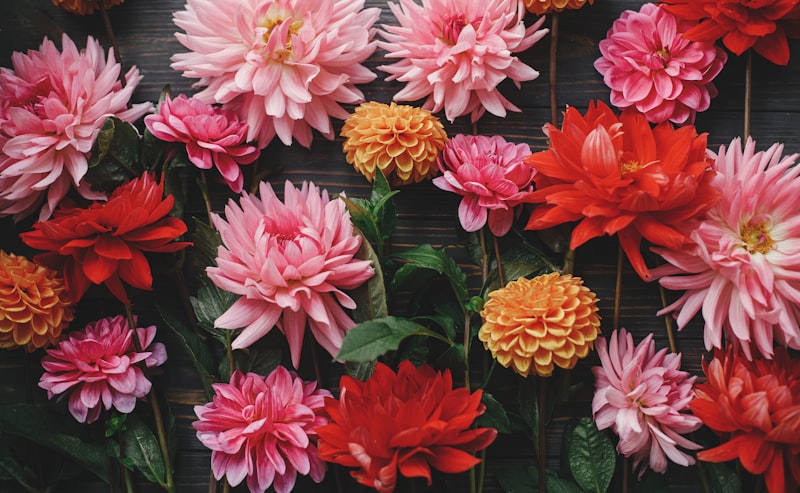
These flowers are well-suited to Sandy soil conditions. Each plant listed below tolerates or thrives in the drainage, pH, and texture characteristics typical of sandy soil.
Lavender
Lavandula angustifolia
- Sun
- Full sun (6-8 hours)
- Water
- Low, 0.5 inch/week; drought tolerant
- Spacing
- 12-18 inches
- Days to Harvest
- Array
- pH Range
- 6.5 - 8.0
- Zones
- 5-9
Coneflower (Echinacea)
Echinacea purpurea
- Sun
- Full sun (6-8 hours)
- Water
- Low to moderate; drought tolerant once established
- Spacing
- 18-24 inches
- Days to Harvest
- Array
- pH Range
- 6.0 - 7.0
- Zones
- 3-9
Black-Eyed Susan
Rudbeckia hirta
- Sun
- Full sun (6-8 hours)
- Water
- Low to moderate; very drought tolerant
- Spacing
- 18-24 inches
- Days to Harvest
- Array
- pH Range
- 6.0 - 7.0
- Zones
- 3-9
Salvia
Salvia splendens / Salvia nemorosa
- Sun
- Full sun (6-8 hours)
- Water
- Low to moderate; drought tolerant
- Spacing
- 12-24 inches
- Days to Harvest
- Array
- pH Range
- 6.0 - 7.0
- Zones
- 4-10
Yarrow
Achillea millefolium
- Sun
- Full sun (6-8 hours)
- Water
- Low; very drought tolerant once established
- Spacing
- 18-24 inches
- Days to Harvest
- Array
- pH Range
- 5.5 - 7.5
- Zones
- 3-9
Cosmos
Cosmos bipinnatus
- Sun
- Full sun (6-8 hours)
- Water
- Low to moderate; too much water reduces blooms
- Spacing
- 12-18 inches
- Days to Harvest
- Array
- pH Range
- 6.0 - 8.5
- Zones
- 2-11
Flower Gardening in Sandy Soil
Sandy soil drains fast, warms early in spring, and suits a surprising range of ornamental flowers when you work with its strengths rather than fighting them. Lavender is the obvious star — its Mediterranean roots crave sharp drainage and punish you with root rot if the soil holds too much moisture. California poppies self-sow prolifically in sandy ground, giving effortless drifts of orange and gold. Blanket flowers, coreopsis, and gazanias handle the low fertility and quick-draining texture without supplemental feeding. The real trick to sandy flower beds is mulching with well-rotted compost rather than digging it in. A surface mulch slowly feeds the soil biology, builds humus, and reduces moisture loss from the top few inches where feeder roots concentrate during hot weather.
Water-Smart Flower Design for Sandy Ground
Designing a sandy-soil flower garden means grouping plants by water need and taking advantage of the warm microclimate sand creates. South-facing sandy beds reach planting temperature weeks before clay equivalents, so you can start zinnias and cosmos from direct sow earlier than neighbors expect. Plant drought-tolerant perennials like salvia, yarrow, and sedum as a permanent backbone, then tuck annuals into gaps for seasonal punch. Drip irrigation on a timer outperforms overhead sprinklers here because water passes through sand before leaves can absorb it from splash. Set emitters directly at the root zone and run shorter, more frequent cycles — fifteen minutes twice daily beats thirty minutes once. Adding a thin layer of coconut coir around transplants holds moisture right where young roots need it.
Soil Preparation Tips for Flowers in Sandy Soil
Preparing sandy soil for flowers requires understanding both the soil's characteristics and the plants' needs. The fast drainage of sandy soil means you'll need to improve water retention before planting flowers. Incorporate 3-4 inches of compost into the top 8-12 inches of soil to help retain moisture. Since flowers generally have shallow to moderate root systems, focus your soil preparation on the top 12 inches. Given the poor nutrient content of sandy soil, add a balanced organic fertilizer at planting time. For flowers, which are phosphorus-rich for blooms, plan to supplement with compost, peat moss, organic matter regularly throughout the growing season. Test your soil pH before planting - sandy soil tends to be slightly acidic to neutral. Many flowers prefer neutral pH, so you may need to add lime to raise pH levels. Prepare your beds 2-3 weeks before planting to allow amendments to integrate. For flowers, this timing is crucial to ensure optimal growing conditions from day one.
Common Problems Growing Flowers in Sandy Soil
Growing flowers in sandy soil presents some unique challenges that you can overcome with proper management. The primary concerns with sandy soil include drought stress, nutrient leaching, and low water retention. Drought stress frequently affects flowers in sandy soil because water drains away too quickly. Signs include wilting during hot afternoons, brown leaf edges, and reduced yields. Combat this by mulching heavily (3-4 inches), watering more frequently but deeply, and adding water-retaining amendments like compost or coco coir. Nutrient deficiencies are common when growing flowers in sandy soil. Look for pale or yellowing leaves, poor growth, and disappointing yields. Since flowers are phosphorus-rich for blooms, establish a regular feeding schedule using both slow-release organic fertilizers and liquid feeds during peak growth. pH-related nutrient lockout can occur in sandy soil, which is slightly acidic to neutral. This affects how flowers absorb essential nutrients, particularly iron, manganese, and phosphorus. Test pH annually and adjust as needed - most flowers perform best in neutral to slightly acidic conditions. Flowering may be reduced or delayed if soil conditions are poor. Ensure adequate phosphorus and avoid excess nitrogen, which promotes foliage at the expense of blooms.
Frequently Asked Questions
What flowers thrive in sandy soil without much watering?
Lavender, yarrow, sedum, blanket flower, California poppies, and black-eyed Susans all tolerate sandy soil's fast drainage. Once their roots establish, these species survive on rainfall alone in most temperate climates. Group them together for a low-maintenance border that looks intentional.
How often should I water flowers in sandy soil?
During establishment, water every two to three days with drip irrigation. Once roots reach deeper layers, reduce to twice weekly. Sandy soil loses moisture fast from the surface but retains some at depth. Morning watering is most efficient because less evaporates before roots absorb it.
Should I add clay to sandy soil for flowers?
Mixing clay into sand often creates a concrete-like texture that is worse than either soil alone. Instead, add generous amounts of compost and aged manure annually. These build organic matter content gradually, improving both water retention and nutrient availability without destroying the drainage flowers like lavender require.
When is the best time to plant flowers in sandy soil?
The ideal planting time for flowers in sandy soil depends on both your climate zone and the soil's properties. Since sandy soil has fast drainage, it warms quickly in spring, allowing earlier planting than heavier soils. You can typically plant flowers 1-2 weeks earlier than recommended for your zone. However, be prepared to water more frequently as this soil type dries out rapidly. For cool-season flowers, plant in early spring or late summer/fall. In sandy soil, fall planting can be particularly successful as the soil retains warmth while air temperatures cool. Always amend the soil 2-3 weeks before planting to allow time for compost, peat moss, organic matter to integrate properly.
How often should I fertilize flowers in sandy soil?
Given the poor nutrient content of sandy soil, flowers require more frequent fertilization than they would in richer soils. Feed flowering plants every 2-3 weeks with a bloom-boosting fertilizer high in phosphorus. In sandy soil, liquid fertilizers work best as they're immediately available to plants. Always water thoroughly after fertilizing, especially in sandy soil, to help nutrients move into the root zone and prevent burning. Annual applications of compost or well-rotted manure will gradually improve soil fertility and reduce the need for synthetic fertilizers over time.
Gardening Tips for Sandy Soil
- Mulch heavily to retain moisture, since sandy soil dries out quickly.
- Water more frequently but in smaller amounts to prevent runoff and waste.
- Add organic matter every season to build up the soil's water-holding capacity.
- Use slow-release fertilizers rather than liquid feeds, which wash through sand rapidly.