Best Shrubs for Sandy Soil
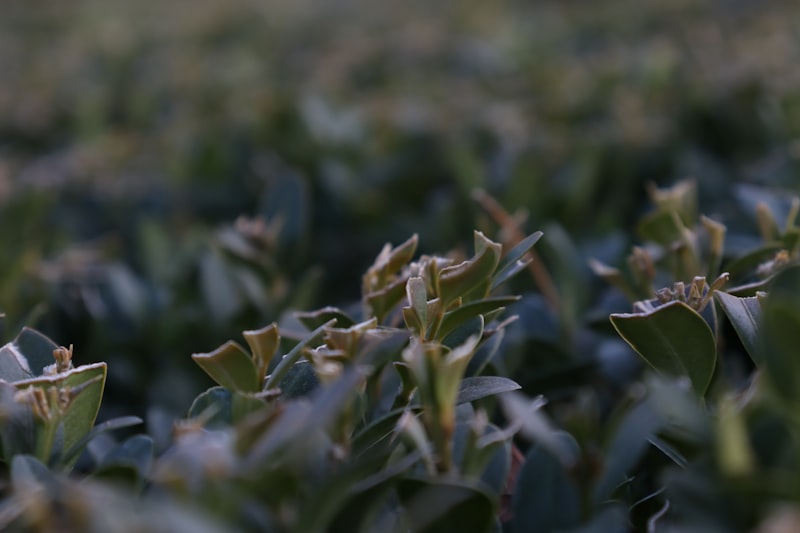
These shrubs are well-suited to Sandy soil conditions. Each plant listed below tolerates or thrives in the drainage, pH, and texture characteristics typical of sandy soil.
Juniper
Juniperus spp.
- Sun
- Full sun (6-8 hours)
- Water
- Low; very drought tolerant once established
- Spacing
- 24-96 inches (varies by species)
- Days to Harvest
- Array
- pH Range
- 5.5 - 8.0
- Zones
- 2-9
Shrubs That Thrive in Sandy Soil
Sandy soil drains fast — sometimes too fast — but several shrub families genuinely prefer these lean, well-aerated conditions. Juniper varieties, particularly Juniperus horizontalis and pfitzeriana types, produce their densest growth in sandy ground where root rot never threatens. Barberry tolerates sand beautifully, and its drought resistance means you water far less than in heavier soils. Bayberry (Myrica pensylvanica) is a native sand-lover that fixes nitrogen through root nodules, gradually improving the soil around it. The challenge with sandy planting is nutrient leaching: fertilizer washes through before roots absorb it. Use slow-release granular formulas in spring and fall rather than liquid feeds. Create organic matter reservoirs by mixing compost into individual planting holes rather than broadcasting amendments across the surface where they decompose without enriching the root zone.
Watering Strategies for Shrubs in Fast-Draining Sand
Conventional watering schedules fail in sandy soil because water percolates past the root zone within hours. Drip irrigation outperforms sprinklers here by delivering moisture directly to roots at a rate sand can absorb without lateral runoff. Run drip lines for 45-60 minutes every three days during establishment rather than brief daily watering, which never penetrates deeply enough. Once shrubs like juniper, potentilla, or sumac establish their root networks — typically by the second growing season — reduce irrigation to weekly deep soaks. Mulching is non-negotiable in sand: apply 3-4 inches of shredded hardwood or pine straw to slow evaporation and keep the surface layer from drying into a hydrophobic crust. Avoid rubber mulch and stone mulch, which heat sandy soil to damaging temperatures in summer and provide zero organic benefit.
Soil Preparation Tips for Shrubs in Sandy Soil
Preparing sandy soil for shrubs requires understanding both the soil's characteristics and the plants' needs. The fast drainage of sandy soil means you'll need to improve water retention before planting shrubs. Incorporate 3-4 inches of compost into the top 8-12 inches of soil to help retain moisture. Since shrubs generally have moderate to deep root systems, focus your soil preparation on the top 12 inches. Given the poor nutrient content of sandy soil, add a balanced organic fertilizer at planting time. For shrubs, which are annual feeding in spring, plan to supplement with compost, peat moss, organic matter regularly throughout the growing season. Test your soil pH before planting - sandy soil tends to be slightly acidic to neutral. Many shrubs prefer neutral pH, so you may need to add lime to raise pH levels. Prepare your beds 2-3 weeks before planting to allow amendments to integrate. For shrubs, this timing is crucial to ensure optimal growing conditions from day one.
Common Problems Growing Shrubs in Sandy Soil
Growing shrubs in sandy soil presents some unique challenges that you can overcome with proper management. The primary concerns with sandy soil include drought stress, nutrient leaching, and low water retention. Drought stress frequently affects shrubs in sandy soil because water drains away too quickly. Signs include wilting during hot afternoons, brown leaf edges, and reduced yields. Combat this by mulching heavily (3-4 inches), watering more frequently but deeply, and adding water-retaining amendments like compost or coco coir. Nutrient deficiencies are common when growing shrubs in sandy soil. Look for pale or yellowing leaves, poor growth, and disappointing yields. Since shrubs are annual feeding in spring, establish a regular feeding schedule using both slow-release organic fertilizers and liquid feeds during peak growth. pH-related nutrient lockout can occur in sandy soil, which is slightly acidic to neutral. This affects how shrubs absorb essential nutrients, particularly iron, manganese, and phosphorus. Test pH annually and adjust as needed - most shrubs perform best in neutral to slightly acidic conditions. Long-term establishment can be compromised by poor soil conditions. Pay extra attention to soil preparation at planting time - correcting issues later is much more difficult with woody plants.
Frequently Asked Questions
Can hydrangeas grow in sandy soil?
Hydrangeas struggle in pure sand because they need consistent moisture. If you must grow them, excavate a generous hole and backfill with 50% compost to create a moisture reservoir. Panicle hydrangeas (H. paniculata) tolerate sand better than mophead varieties. Expect to water deeply twice weekly during summer heat.
How often should I fertilize shrubs in sandy soil?
Apply slow-release fertilizer three times per year: early spring, early summer, and early fall. Sandy soil cannot hold nutrients between applications the way clay does. Organic options like composted manure work well because they release nutrients gradually while building soil structure that improves water retention over time.
What is the best mulch for shrubs in sandy soil?
Pine straw or shredded hardwood bark works best. Both decompose into the sand, adding organic matter and improving water-holding capacity year after year. Apply 3-4 inches deep but keep mulch pulled back 2 inches from stems to prevent moisture-related bark diseases. Refresh the layer each spring as it breaks down.
What is the best planting depth for shrubs in sandy soil?
Proper planting depth is critical for shrubs in sandy soil to ensure healthy establishment. Plant shrubs at the same depth they were growing in the nursery container. The root flare (where the trunk widens at the base) should be visible at the soil surface. Dig the planting hole 2-3 times wider than the root ball but no deeper. In sandy soil, roughen the sides of the planting hole to prevent glazing, which can restrict root growth. Backfill with the native soil mixed with compost (no more than 25% compost), and water thoroughly to eliminate air pockets. Apply 2-3 inches of mulch around shrubs, keeping it several inches away from the trunk or stems.
How often should I fertilize shrubs in sandy soil?
Given the poor nutrient content of sandy soil, shrubs require more frequent fertilization than they would in richer soils. Apply slow-release fertilizer in early spring at the drip line of the canopy. Young plants need annual fertilization, while established shrubs may only need feeding every 2-3 years even in poor soil. Always water thoroughly after fertilizing, especially in sandy soil, to help nutrients move into the root zone and prevent burning. Annual applications of compost or well-rotted manure will gradually improve soil fertility and reduce the need for synthetic fertilizers over time.
Gardening Tips for Sandy Soil
- Mulch heavily to retain moisture, since sandy soil dries out quickly.
- Water more frequently but in smaller amounts to prevent runoff and waste.
- Add organic matter every season to build up the soil's water-holding capacity.
- Use slow-release fertilizers rather than liquid feeds, which wash through sand rapidly.