Best Vegetables for Sandy Soil
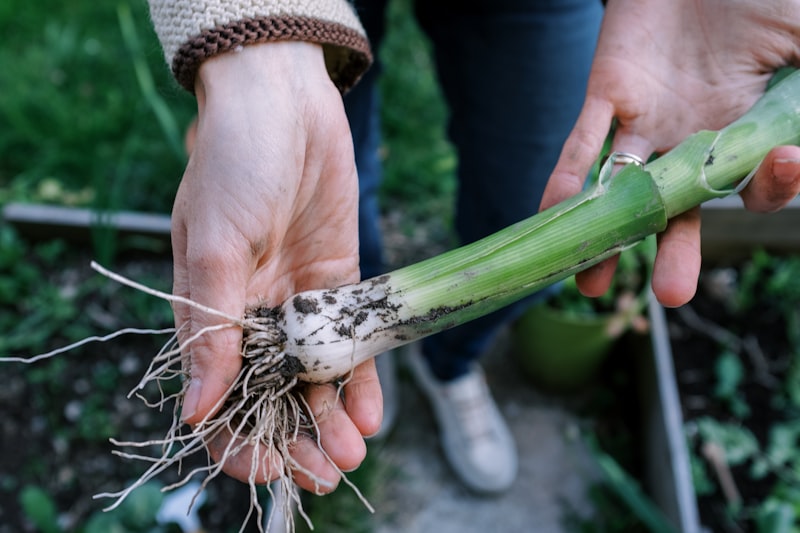
These vegetables are well-suited to Sandy soil conditions. Each plant listed below tolerates or thrives in the drainage, pH, and texture characteristics typical of sandy soil.
Carrot
Daucus carota subsp. sativus
- Sun
- Full sun to partial shade (4-8 hours)
- Water
- Regular, 1 inch/week
- Spacing
- 2-3 inches
- Days to Harvest
- Array
- pH Range
- 6.0 - 6.8
- Zones
- 3-10
Potato
Solanum tuberosum
- Sun
- Full sun (6-8 hours)
- Water
- Regular, 1-2 inches/week
- Spacing
- 12-15 inches
- Days to Harvest
- Array
- pH Range
- 5.0 - 6.5
- Zones
- 3-10
Radish
Raphanus sativus
- Sun
- Full sun to partial shade (4-6 hours)
- Water
- Regular, 1 inch/week; keep evenly moist
- Spacing
- 1-2 inches
- Days to Harvest
- Array
- pH Range
- 6.0 - 7.0
- Zones
- 2-10
Asparagus
Asparagus officinalis
- Sun
- Full sun (6-8 hours)
- Water
- Regular, 1-2 inches/week
- Spacing
- 18 inches
- Days to Harvest
- Array
- pH Range
- 6.5 - 7.5
- Zones
- 3-8
Sweet Potato
Ipomoea batatas
- Sun
- Full sun (6-8 hours)
- Water
- Regular, 1 inch/week; reduce last 3 weeks
- Spacing
- 12-18 inches
- Days to Harvest
- Array
- pH Range
- 5.5 - 6.5
- Zones
- 8-11 (perennial), 3-7 (annual)
Vegetables That Love Sandy Soil
Sandy soil warms up fast in spring, giving you a head start on the growing season. Root vegetables are the stars here: carrots grow long and straight, radishes mature in weeks, and potatoes produce clean tubers that practically shake the soil off at harvest. The challenge is keeping enough moisture and nutrients in the root zone. Sandy soil drains within hours of watering, taking dissolved fertilizer with it. The fix is simple but must be consistent: heavy mulching, frequent light irrigation, and slow-release organic fertilizers rather than liquid feeds. Mediterranean vegetables like tomatoes and peppers actually produce more intensely flavored fruit in sandy soil because mild water stress concentrates sugars and flavor compounds.
Irrigation Strategy for Sandy Vegetable Gardens
Drip irrigation is a game-changer for vegetables in sand. Set emitters to deliver water directly to each plant's root zone for 20 to 30 minutes daily rather than deep soaking once a week. This keeps the top 12 inches consistently moist without wasting water to deep drainage. Mulch between rows with 3 to 4 inches of straw or shredded leaves to slow surface evaporation. For nitrogen-hungry crops like corn and leafy greens, side-dress with composted manure every three weeks rather than relying on a single application that washes through. Growing cover crops like crimson clover between seasons adds organic matter that gradually improves water-holding capacity.
Soil Preparation Tips for Vegetables in Sandy Soil
Preparing sandy soil for vegetables requires understanding both the soil's characteristics and the plants' needs. The fast drainage of sandy soil means you'll need to improve water retention before planting vegetables. Incorporate 3-4 inches of compost into the top 8-12 inches of soil to help retain moisture. Since vegetables generally have varies - shallow (lettuce) to deep (tomatoes) root systems, focus your soil preparation on the top 12 inches. Given the poor nutrient content of sandy soil, add a balanced organic fertilizer at planting time. For vegetables, which are heavy feeders, regular feeding needed, plan to supplement with compost, peat moss, organic matter regularly throughout the growing season. Test your soil pH before planting - sandy soil tends to be slightly acidic to neutral. Many vegetables prefer neutral pH, so you may need to add lime to raise pH levels. Prepare your beds 2-3 weeks before planting to allow amendments to integrate. For vegetables, this timing is crucial to ensure optimal growing conditions from day one.
Common Problems Growing Vegetables in Sandy Soil
Growing vegetables in sandy soil presents some unique challenges that you can overcome with proper management. The primary concerns with sandy soil include drought stress, nutrient leaching, and low water retention. Drought stress frequently affects vegetables in sandy soil because water drains away too quickly. Signs include wilting during hot afternoons, brown leaf edges, and reduced yields. Combat this by mulching heavily (3-4 inches), watering more frequently but deeply, and adding water-retaining amendments like compost or coco coir. Nutrient deficiencies are common when growing vegetables in sandy soil. Look for pale or yellowing leaves, poor growth, and disappointing yields. Since vegetables are heavy feeders, regular feeding needed, establish a regular feeding schedule using both slow-release organic fertilizers and liquid feeds during peak growth. pH-related nutrient lockout can occur in sandy soil, which is slightly acidic to neutral. This affects how vegetables absorb essential nutrients, particularly iron, manganese, and phosphorus. Test pH annually and adjust as needed - most vegetables perform best in neutral to slightly acidic conditions. For vegetables, disease pressure often increases in sandy soil. Practice crop rotation and maintain good air circulation to minimize fungal issues.
Frequently Asked Questions
What vegetables grow best in sandy soil?
Root vegetables excel: carrots, radishes, beets, turnips, potatoes, and sweet potatoes produce their best specimens in sand. Tomatoes, peppers, watermelons, and asparagus also thrive. These crops benefit from fast drainage and warm soil temperatures.
How often should I water vegetables in sandy soil?
Water daily or every other day with shorter durations rather than weekly deep soaking. Drip irrigation for 20 to 30 minutes daily keeps the root zone moist without waste. During peak summer heat, some sandy gardens need twice-daily watering for heavy feeders like tomatoes.
Do I need to fertilize more often in sandy soil?
Yes. Nutrients leach quickly through sand, so split applications work better than a single heavy dose. Use slow-release organic fertilizers and side-dress with compost or aged manure every 3 to 4 weeks during the growing season. A soil test twice a year guides your specific needs.
When is the best time to plant vegetables in sandy soil?
The ideal planting time for vegetables in sandy soil depends on both your climate zone and the soil's properties. Since sandy soil has fast drainage, it warms quickly in spring, allowing earlier planting than heavier soils. You can typically plant vegetables 1-2 weeks earlier than recommended for your zone. However, be prepared to water more frequently as this soil type dries out rapidly. For cool-season vegetables, plant in early spring or late summer/fall. In sandy soil, fall planting can be particularly successful as the soil retains warmth while air temperatures cool. Always amend the soil 2-3 weeks before planting to allow time for compost, peat moss, organic matter to integrate properly.
How often should I fertilize vegetables in sandy soil?
Given the poor nutrient content of sandy soil, vegetables require more frequent fertilization than they would in richer soils. Start with a balanced organic fertilizer at planting time, then feed every 3-4 weeks during the growing season. Leafy vegetables benefit from nitrogen-rich fertilizers, while fruiting vegetables need phosphorus and potassium once flowering begins. Always water thoroughly after fertilizing, especially in sandy soil, to help nutrients move into the root zone and prevent burning. Annual applications of compost or well-rotted manure will gradually improve soil fertility and reduce the need for synthetic fertilizers over time.
Gardening Tips for Sandy Soil
- Mulch heavily to retain moisture, since sandy soil dries out quickly.
- Water more frequently but in smaller amounts to prevent runoff and waste.
- Add organic matter every season to build up the soil's water-holding capacity.
- Use slow-release fertilizers rather than liquid feeds, which wash through sand rapidly.