Best Herbs for Sandy Soil
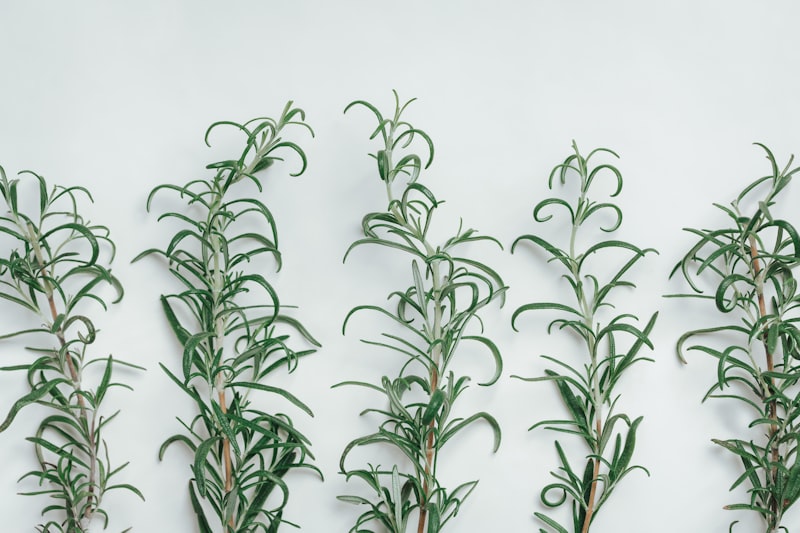
These herbs are well-suited to Sandy soil conditions. Each plant listed below tolerates or thrives in the drainage, pH, and texture characteristics typical of sandy soil.
Rosemary
Salvia rosmarinus
- Sun
- Full sun (6-8 hours)
- Water
- Low; drought tolerant once established
- Spacing
- 24-36 inches
- Days to Harvest
- Array
- pH Range
- 6.0 - 7.5
- Zones
- 7-10
Thyme
Thymus vulgaris
- Sun
- Full sun (6-8 hours)
- Water
- Low; drought tolerant
- Spacing
- 8-12 inches
- Days to Harvest
- Array
- pH Range
- 6.0 - 8.0
- Zones
- 5-9
Oregano
Origanum vulgare
- Sun
- Full sun (6-8 hours)
- Water
- Low to moderate; allow soil to dry between waterings
- Spacing
- 12-15 inches
- Days to Harvest
- Array
- pH Range
- 6.0 - 8.0
- Zones
- 5-10
Sage
Salvia officinalis
- Sun
- Full sun (6-8 hours)
- Water
- Low to moderate; drought tolerant once established
- Spacing
- 18-24 inches
- Days to Harvest
- Array
- pH Range
- 6.0 - 7.0
- Zones
- 4-8
Tarragon (French)
Artemisia dracunculus var. sativa
- Sun
- Full sun (6-8 hours)
- Water
- Low to moderate; well-drained essential
- Spacing
- 18-24 inches
- Days to Harvest
- Array
- pH Range
- 6.0 - 7.5
- Zones
- 4-8
Chamomile
Matricaria chamomilla
- Sun
- Full sun (6-8 hours)
- Water
- Low to moderate; drought tolerant
- Spacing
- 8-12 inches
- Days to Harvest
- Array
- pH Range
- 5.6 - 7.5
- Zones
- 3-9
Lavender (Culinary)
Lavandula angustifolia
- Sun
- Full sun (6-8 hours)
- Water
- Low; drought tolerant once established
- Spacing
- 12-18 inches
- Days to Harvest
- Array
- pH Range
- 6.5 - 8.0
- Zones
- 5-9
Herb Gardening in Sandy Soil
Sandy soil is genuinely excellent for Mediterranean herbs. Rosemary, thyme, oregano, lavender, and sage evolved on rocky, fast-draining hillsides, so they feel right at home in sand. The sharp drainage prevents root rot, which kills more herbs than any pest. Your main challenge is nutrient retention: water and fertilizer flush straight through sand before roots can absorb them. Counter this by mulching with compost every season and using slow-release organic fertilizers rather than liquid feeds. Dill and fennel also perform surprisingly well in sandy conditions, sending taproots deep to find moisture below the surface. Water herbs in the early morning so roots absorb moisture before afternoon heat drives evaporation. Sandy soil warms up quickly in spring, giving you a head start on sowing cilantro and basil seed directly outdoors.
Harvesting and Drying Herbs from Sandy Soil Gardens
Herbs grown in sandy, lean soil often produce more concentrated essential oils than those grown in rich ground. Stress from lower nutrient levels pushes plants to develop stronger flavor compounds. Harvest in the morning after dew has dried but before the midday sun volatilizes the oils. Cut no more than one-third of the plant at a time to keep it producing. For drying, bundle stems loosely with twine and hang upside down in a dark, well-ventilated room for ten to fourteen days. Thyme, oregano, and rosemary dry beautifully this way. Basil is trickier and often turns black when air-dried, so freeze basil leaves in olive oil using ice cube trays instead. Store dried herbs in airtight glass jars away from light, and they hold potency for about a year.
Soil Preparation Tips for Herbs in Sandy Soil
Preparing sandy soil for herbs requires understanding both the soil's characteristics and the plants' needs. The fast drainage of sandy soil means you'll need to improve water retention before planting herbs. Incorporate 3-4 inches of compost into the top 8-12 inches of soil to help retain moisture. Since herbs generally have shallow to moderate root systems, focus your soil preparation on the top 12 inches. Given the poor nutrient content of sandy soil, add a balanced organic fertilizer at planting time. For herbs, which are light feeding - excess reduces flavor, plan to supplement with compost, peat moss, organic matter regularly throughout the growing season. Test your soil pH before planting - sandy soil tends to be slightly acidic to neutral. Many herbs prefer neutral pH, so you may need to add lime to raise pH levels. Prepare your beds 2-3 weeks before planting to allow amendments to integrate. For herbs, this timing is crucial to ensure optimal growing conditions from day one.
Common Problems Growing Herbs in Sandy Soil
Growing herbs in sandy soil presents some unique challenges that you can overcome with proper management. The primary concerns with sandy soil include drought stress, nutrient leaching, and low water retention. Drought stress frequently affects herbs in sandy soil because water drains away too quickly. Signs include wilting during hot afternoons, brown leaf edges, and reduced yields. Combat this by mulching heavily (3-4 inches), watering more frequently but deeply, and adding water-retaining amendments like compost or coco coir. Nutrient deficiencies are common when growing herbs in sandy soil. Look for pale or yellowing leaves, poor growth, and disappointing yields. Since herbs are light feeding - excess reduces flavor, establish a regular feeding schedule using both slow-release organic fertilizers and liquid feeds during peak growth. pH-related nutrient lockout can occur in sandy soil, which is slightly acidic to neutral. This affects how herbs absorb essential nutrients, particularly iron, manganese, and phosphorus. Test pH annually and adjust as needed - most herbs perform best in neutral to slightly acidic conditions. Many herbs lose flavor intensity when stressed. While some stress is beneficial for essential oil production, severe soil issues will reduce both growth and aromatic qualities.
Frequently Asked Questions
What herbs thrive naturally in sandy soil?
Rosemary, thyme, lavender, oregano, and sage all originate from sandy or rocky Mediterranean terrain and perform beautifully without heavy amendments. Dill and fennel also do well thanks to their deep taproots. These herbs actually produce stronger flavors when grown in lean, sandy conditions.
How often should I water herbs in sandy soil?
Water deeply every two to three days during summer rather than lightly every day. Deep watering encourages roots to grow downward where sand retains slightly more moisture. Early morning is the best time to water, minimizing evaporation losses. Mulch around plants with compost to slow drainage.
Does sandy soil need fertilizer for growing herbs?
Yes, but sparingly. Sandy soil flushes nutrients quickly, so use slow-release organic granular fertilizers applied every six to eight weeks. Avoid heavy liquid feeds, which wash away before absorption. Annual compost mulching gradually improves nutrient retention and adds beneficial microbial life to the soil.
When is the best time to plant herbs in sandy soil?
The ideal planting time for herbs in sandy soil depends on both your climate zone and the soil's properties. Since sandy soil has fast drainage, it warms quickly in spring, allowing earlier planting than heavier soils. You can typically plant herbs 1-2 weeks earlier than recommended for your zone. However, be prepared to water more frequently as this soil type dries out rapidly. For cool-season herbs, plant in early spring or late summer/fall. In sandy soil, fall planting can be particularly successful as the soil retains warmth while air temperatures cool. Always amend the soil 2-3 weeks before planting to allow time for compost, peat moss, organic matter to integrate properly.
How often should I fertilize herbs in sandy soil?
Given the poor nutrient content of sandy soil, herbs require more frequent fertilization than they would in richer soils. Herbs generally prefer lean conditions, but in poor sandy soil, light monthly feeding is beneficial. Use a half-strength balanced fertilizer to avoid producing lush but flavorless growth. Always water thoroughly after fertilizing, especially in sandy soil, to help nutrients move into the root zone and prevent burning. Annual applications of compost or well-rotted manure will gradually improve soil fertility and reduce the need for synthetic fertilizers over time.
Gardening Tips for Sandy Soil
- Mulch heavily to retain moisture, since sandy soil dries out quickly.
- Water more frequently but in smaller amounts to prevent runoff and waste.
- Add organic matter every season to build up the soil's water-holding capacity.
- Use slow-release fertilizers rather than liquid feeds, which wash through sand rapidly.