Best Flowers for Sandy Loam Soil
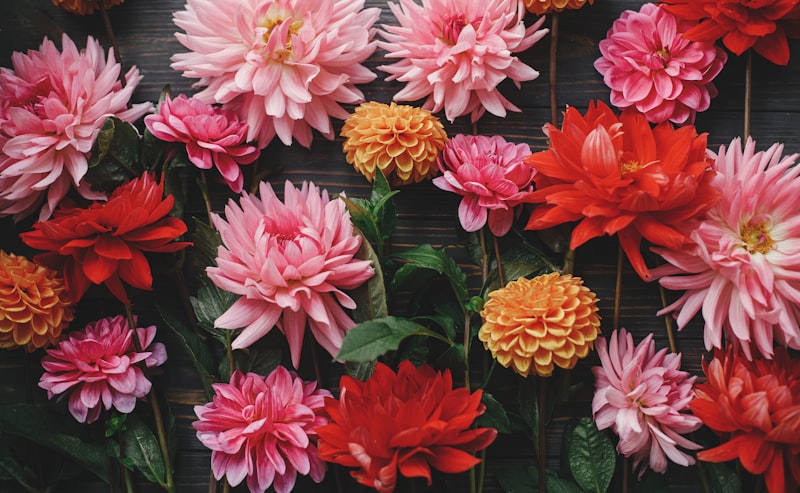
These flowers are well-suited to Sandy Loam soil conditions. Each plant listed below tolerates or thrives in the drainage, pH, and texture characteristics typical of sandy loam soil.
Sunflower
Helianthus annuus
- Sun
- Full sun (6-8 hours)
- Water
- Moderate, 1 inch/week; drought tolerant once established
- Spacing
- 12-24 inches
- Days to Harvest
- Array
- pH Range
- 6.0 - 7.5
- Zones
- 2-11
Lavender
Lavandula angustifolia
- Sun
- Full sun (6-8 hours)
- Water
- Low, 0.5 inch/week; drought tolerant
- Spacing
- 12-18 inches
- Days to Harvest
- Array
- pH Range
- 6.5 - 8.0
- Zones
- 5-9
Marigold
Tagetes spp.
- Sun
- Full sun (6-8 hours)
- Water
- Moderate, 1 inch/week
- Spacing
- 8-18 inches
- Days to Harvest
- Array
- pH Range
- 6.0 - 7.5
- Zones
- 2-11
Zinnia
Zinnia elegans
- Sun
- Full sun (6-8 hours)
- Water
- Moderate, 1 inch/week; avoid overhead watering
- Spacing
- 6-18 inches
- Days to Harvest
- Array
- pH Range
- 5.5 - 7.5
- Zones
- 2-11
Petunia
Petunia × hybrida
- Sun
- Full sun (6-8 hours)
- Water
- Moderate, 1 inch/week
- Spacing
- 12-18 inches
- Days to Harvest
- Array
- pH Range
- 6.0 - 7.0
- Zones
- 10-11 (perennial), 2-11 (annual)
Dahlia
Dahlia pinnata
- Sun
- Full sun (6-8 hours)
- Water
- Regular, 1-2 inches/week
- Spacing
- 18-24 inches
- Days to Harvest
- Array
- pH Range
- 6.0 - 7.0
- Zones
- 8-11 (perennial), 3-7 (annual)
Tulip
Tulipa spp.
- Sun
- Full sun (6-8 hours)
- Water
- Low to moderate; well-drained essential
- Spacing
- 4-6 inches
- Days to Harvest
- Array
- pH Range
- 6.0 - 7.0
- Zones
- 3-8
Daffodil
Narcissus spp.
- Sun
- Full sun to partial shade (4-8 hours)
- Water
- Moderate during growth; dry during dormancy
- Spacing
- 4-6 inches
- Days to Harvest
- Array
- pH Range
- 6.0 - 7.0
- Zones
- 3-9
Lily
Lilium spp.
- Sun
- Full sun to partial shade (6-8 hours)
- Water
- Regular, 1 inch/week; well-drained essential
- Spacing
- 8-12 inches
- Days to Harvest
- Array
- pH Range
- 6.0 - 6.8
- Zones
- 3-9
Coneflower (Echinacea)
Echinacea purpurea
- Sun
- Full sun (6-8 hours)
- Water
- Low to moderate; drought tolerant once established
- Spacing
- 18-24 inches
- Days to Harvest
- Array
- pH Range
- 6.0 - 7.0
- Zones
- 3-9
Black-Eyed Susan
Rudbeckia hirta
- Sun
- Full sun (6-8 hours)
- Water
- Low to moderate; very drought tolerant
- Spacing
- 18-24 inches
- Days to Harvest
- Array
- pH Range
- 6.0 - 7.0
- Zones
- 3-9
Salvia
Salvia splendens / Salvia nemorosa
- Sun
- Full sun (6-8 hours)
- Water
- Low to moderate; drought tolerant
- Spacing
- 12-24 inches
- Days to Harvest
- Array
- pH Range
- 6.0 - 7.0
- Zones
- 4-10
Yarrow
Achillea millefolium
- Sun
- Full sun (6-8 hours)
- Water
- Low; very drought tolerant once established
- Spacing
- 18-24 inches
- Days to Harvest
- Array
- pH Range
- 5.5 - 7.5
- Zones
- 3-9
Iris
Iris germanica
- Sun
- Full sun (6-8 hours)
- Water
- Low to moderate; good drainage essential
- Spacing
- 12-24 inches
- Days to Harvest
- Array
- pH Range
- 6.0 - 7.5
- Zones
- 3-10
Cosmos
Cosmos bipinnatus
- Sun
- Full sun (6-8 hours)
- Water
- Low to moderate; too much water reduces blooms
- Spacing
- 12-18 inches
- Days to Harvest
- Array
- pH Range
- 6.0 - 8.5
- Zones
- 2-11
Chrysanthemum
Chrysanthemum morifolium
- Sun
- Full sun (6-8 hours)
- Water
- Regular, 1 inch/week; avoid wet foliage
- Spacing
- 18-24 inches
- Days to Harvest
- Array
- pH Range
- 6.0 - 7.0
- Zones
- 5-9
Geranium (Pelargonium)
Pelargonium × hortorum
- Sun
- Full sun to partial shade (4-8 hours)
- Water
- Moderate; allow soil to dry between waterings
- Spacing
- 12-18 inches
- Days to Harvest
- Array
- pH Range
- 6.0 - 6.5
- Zones
- 10-11 (perennial), 3-11 (annual)
Growing Flowers in Sandy Loam Soil
Sandy loam gives gardeners something close to an ideal balance — enough sand for quick drainage and early spring warming, enough organic fines to hold nutrients and moisture through dry spells. This soil type suits a remarkably wide palette of flowering plants. English roses develop their best fragrance in sandy loam because the drainage prevents the waterlogging that dilutes essential oils in petals. Sunflowers grow tall and straight since roots penetrate the loose structure without hitting resistance. Penstemon, salvia, and agastache thrive because the drainage mimics their native prairie habitats while the loam fraction provides consistent fertility. Working with sandy loam requires less amendment than other types — a single application of well-rotted manure each spring maintains organic matter levels that would take three applications to achieve in pure sand.
Designing a Four-Season Flower Garden in Sandy Loam
Sandy loam's workability in every season makes it the perfect canvas for year-round flower interest. Plant winter-blooming hellebores and witch hazel at the back of borders where their subtle beauty draws you into the garden on gray days. Spring bulbs — crocuses, tulips, alliums — perform exceptionally because the drainage prevents the bulb rot that plagues heavier soils. For summer, create layers with tall hollyhocks behind medium delphiniums and low-growing dianthus at the front edge. Autumn stars like sedums, chrysanthemums, and ornamental grasses extend the show into November. Sandy loam dries out enough between rains that fall-planted perennials establish root systems before winter without sitting in cold, wet soil. This gives them a head start that shows in dramatically better flowering the following summer.
Soil Preparation Tips for Flowers in Sandy Loam Soil
Preparing sandy loam soil for flowers requires understanding both the soil's characteristics and the plants' needs. With good drainage, sandy loam soil provides a good foundation for flowers. Since flowers generally have shallow to moderate root systems, focus your soil preparation on the top 12 inches. Test your soil pH before planting - sandy loam soil tends to be slightly acidic to neutral. Many flowers prefer neutral pH, so you may need to add lime to raise pH levels. Prepare your beds 2-3 weeks before planting to allow amendments to integrate. For flowers, this timing is crucial to ensure optimal growing conditions from day one.
Common Problems Growing Flowers in Sandy Loam Soil
Growing flowers in sandy loam soil presents some unique challenges that you can overcome with proper management. The primary concerns with sandy loam soil include some nutrient leaching, and occasional drought stress. pH-related nutrient lockout can occur in sandy loam soil, which is slightly acidic to neutral. This affects how flowers absorb essential nutrients, particularly iron, manganese, and phosphorus. Test pH annually and adjust as needed - most flowers perform best in neutral to slightly acidic conditions. Flowering may be reduced or delayed if soil conditions are poor. Ensure adequate phosphorus and avoid excess nitrogen, which promotes foliage at the expense of blooms.
Frequently Asked Questions
Is sandy loam good for growing roses?
Sandy loam is excellent for roses. The drainage prevents root diseases like phytophthora, while the loam fraction holds enough moisture and nutrients for strong growth. English and shrub roses in particular develop intense fragrance in sandy loam because roots stay healthy and metabolize efficiently.
How much water do flowers need in sandy loam?
Most established perennials need supplemental watering only during dry spells lasting more than ten days. New plantings benefit from deep watering twice weekly for the first month. Sandy loam drains well but holds more moisture than pure sand, so overwatering is rarely an issue.
What annual flowers grow fastest in sandy loam?
Zinnias, cosmos, sunflowers, and nasturtiums germinate quickly and grow rapidly in sandy loam's warm, well-drained structure. Direct-sow after last frost and expect blooms within six to eight weeks. Marigolds and calendula also perform well, often self-sowing for return appearances the following spring.
When is the best time to plant flowers in sandy loam soil?
The ideal planting time for flowers in sandy loam soil depends on both your climate zone and the soil's properties. For cool-season flowers, plant in early spring or late summer/fall. In sandy loam soil, fall planting can be particularly successful as the soil retains warmth while air temperatures cool. Always amend the soil 2-3 weeks before planting to allow time for compost for nutrient retention to integrate properly.
What should I do if my flowers show signs of nutrient deficiency in sandy loam soil?
Nutrient deficiencies in flowers growing in sandy loam soil often stem from pH imbalances rather than actual nutrient shortages. Since sandy loam soil is slightly acidic to neutral, certain nutrients like phosphorus, calcium, and magnesium may be less available to plants. Test your soil pH with a reliable test kit. If pH is below 6.0, apply dolomitic lime according to package directions to gradually raise pH toward neutral (6.5-7.0). Foliar feeding with liquid fertilizer provides quick results while you work on correcting underlying pH issues. Spray diluted liquid fertilizer directly on leaves in the early morning or evening to avoid leaf burn. For flowers, maintaining proper soil pH is more important than heavy fertilization. Once pH is in the optimal range (6.0-7.0 for most plants), nutrient availability improves dramatically and deficiency symptoms usually resolve within 2-4 weeks.
Gardening Tips for Sandy Loam Soil
- Mulch heavily to retain moisture, since sandy soil dries out quickly.
- Water more frequently but in smaller amounts to prevent runoff and waste.
- Add organic matter every season to build up the soil's water-holding capacity.
- Use slow-release fertilizers rather than liquid feeds, which wash through sand rapidly.