Best Vegetables for Sandy Loam Soil
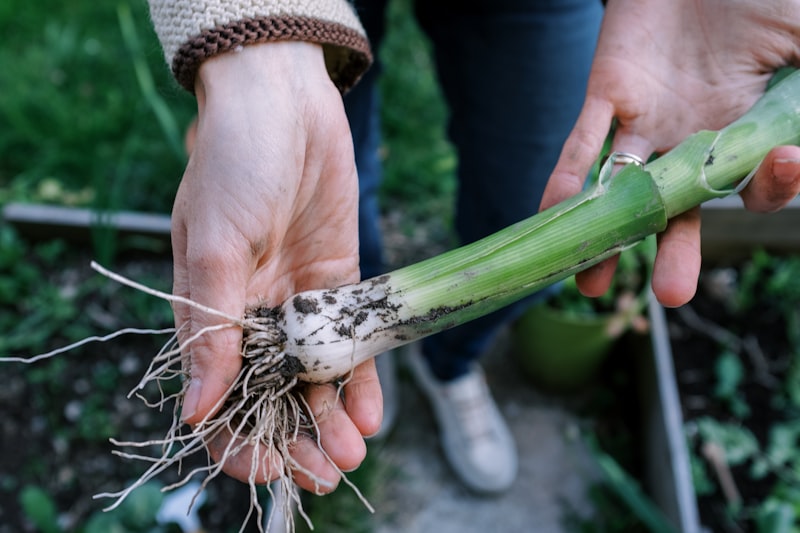
These vegetables are well-suited to Sandy Loam soil conditions. Each plant listed below tolerates or thrives in the drainage, pH, and texture characteristics typical of sandy loam soil.
Tomato
Solanum lycopersicum
- Sun
- Full sun (6-8 hours)
- Water
- Regular, 1-2 inches/week
- Spacing
- 24-36 inches
- Days to Harvest
- Array
- pH Range
- 6.0 - 6.8
- Zones
- 3-11
Pepper
Capsicum annuum
- Sun
- Full sun (6-8 hours)
- Water
- Regular, 1-2 inches/week
- Spacing
- 18-24 inches
- Days to Harvest
- Array
- pH Range
- 6.0 - 6.8
- Zones
- 3-11
Carrot
Daucus carota subsp. sativus
- Sun
- Full sun to partial shade (4-8 hours)
- Water
- Regular, 1 inch/week
- Spacing
- 2-3 inches
- Days to Harvest
- Array
- pH Range
- 6.0 - 6.8
- Zones
- 3-10
Potato
Solanum tuberosum
- Sun
- Full sun (6-8 hours)
- Water
- Regular, 1-2 inches/week
- Spacing
- 12-15 inches
- Days to Harvest
- Array
- pH Range
- 5.0 - 6.5
- Zones
- 3-10
Lettuce
Lactuca sativa
- Sun
- Full sun to partial shade (4-6 hours)
- Water
- Regular, 1 inch/week; keep consistently moist
- Spacing
- 6-12 inches
- Days to Harvest
- Array
- pH Range
- 6.0 - 7.0
- Zones
- 2-11
Beans (Green/Snap)
Phaseolus vulgaris
- Sun
- Full sun (6-8 hours)
- Water
- Regular, 1 inch/week
- Spacing
- 4-6 inches (bush), 6-8 inches (pole)
- Days to Harvest
- Array
- pH Range
- 6.0 - 7.0
- Zones
- 3-10
Peas
Pisum sativum
- Sun
- Full sun to partial shade (4-8 hours)
- Water
- Regular, 1 inch/week
- Spacing
- 2-4 inches
- Days to Harvest
- Array
- pH Range
- 6.0 - 7.5
- Zones
- 2-11
Cucumber
Cucumis sativus
- Sun
- Full sun (6-8 hours)
- Water
- Regular, 1-2 inches/week; consistent moisture critical
- Spacing
- 36-60 inches
- Days to Harvest
- Array
- pH Range
- 6.0 - 7.0
- Zones
- 4-11
Squash (Summer/Winter)
Cucurbita spp.
- Sun
- Full sun (6-8 hours)
- Water
- Regular, 1-2 inches/week
- Spacing
- 36-60 inches
- Days to Harvest
- Array
- pH Range
- 6.0 - 7.0
- Zones
- 3-11
Corn (Sweet)
Zea mays
- Sun
- Full sun (8+ hours)
- Water
- Regular, 1.5-2 inches/week; critical at tasseling
- Spacing
- 12-15 inches in blocks
- Days to Harvest
- Array
- pH Range
- 6.0 - 6.8
- Zones
- 4-11
Onion
Allium cepa
- Sun
- Full sun (6-8 hours)
- Water
- Regular, 1 inch/week; reduce near harvest
- Spacing
- 4-6 inches
- Days to Harvest
- Array
- pH Range
- 6.0 - 7.0
- Zones
- 3-9
Garlic
Allium sativum
- Sun
- Full sun (6-8 hours)
- Water
- Moderate, 0.5-1 inch/week; stop watering 2 weeks before harvest
- Spacing
- 6 inches
- Days to Harvest
- Array
- pH Range
- 6.0 - 7.0
- Zones
- 3-8
Radish
Raphanus sativus
- Sun
- Full sun to partial shade (4-6 hours)
- Water
- Regular, 1 inch/week; keep evenly moist
- Spacing
- 1-2 inches
- Days to Harvest
- Array
- pH Range
- 6.0 - 7.0
- Zones
- 2-10
Beet
Beta vulgaris
- Sun
- Full sun to partial shade (4-8 hours)
- Water
- Regular, 1 inch/week
- Spacing
- 3-4 inches
- Days to Harvest
- Array
- pH Range
- 6.0 - 7.5
- Zones
- 2-10
Eggplant
Solanum melongena
- Sun
- Full sun (8+ hours)
- Water
- Regular, 1-2 inches/week
- Spacing
- 24-30 inches
- Days to Harvest
- Array
- pH Range
- 5.5 - 6.8
- Zones
- 5-11
Asparagus
Asparagus officinalis
- Sun
- Full sun (6-8 hours)
- Water
- Regular, 1-2 inches/week
- Spacing
- 18 inches
- Days to Harvest
- Array
- pH Range
- 6.5 - 7.5
- Zones
- 3-8
Zucchini
Cucurbita pepo
- Sun
- Full sun (6-8 hours)
- Water
- Regular, 1-2 inches/week
- Spacing
- 36-48 inches
- Days to Harvest
- Array
- pH Range
- 6.0 - 7.5
- Zones
- 3-11
Pumpkin
Cucurbita maxima / Cucurbita pepo
- Sun
- Full sun (6-8 hours)
- Water
- Regular, 1-2 inches/week; reduce near harvest
- Spacing
- 60-96 inches
- Days to Harvest
- Array
- pH Range
- 6.0 - 6.8
- Zones
- 3-9
Sweet Potato
Ipomoea batatas
- Sun
- Full sun (6-8 hours)
- Water
- Regular, 1 inch/week; reduce last 3 weeks
- Spacing
- 12-18 inches
- Days to Harvest
- Array
- pH Range
- 5.5 - 6.5
- Zones
- 8-11 (perennial), 3-7 (annual)
Vegetables and Sandy Loam: A Winning Combination
Sandy loam is a vegetable gardener's best friend among natural soils. Root crops produce magazine-quality specimens: carrots grow long and smooth, beets develop perfect globes, and potatoes harvest clean with minimal washing. The sand fraction ensures fast drainage so roots never sit in standing water, while the loam component holds enough moisture and nutrients to keep plants fed between waterings. Warm-season crops get an early start because sandy loam warms quickly in spring. Tomatoes, peppers, cucumbers, and melons all respond to the warm soil by establishing faster and producing earlier than in heavier ground.
Maximizing Sandy Loam Productivity
To get the most from sandy loam, focus on two things: maintaining organic matter and efficient watering. Apply 3 inches of compost each fall and let it incorporate over winter. This counteracts the natural tendency of sandy loam to break down organic matter faster than clay-based soils. Install drip irrigation on a timer to deliver consistent moisture. Sandy loam's fast drainage means frequent short waterings outperform infrequent deep soakings. For heavy-feeding vegetables like tomatoes and squash, liquid fish emulsion every two weeks during fruiting provides the extra nutrition that sandy loam may not hold from a single spring application.
Soil Preparation Tips for Vegetables in Sandy Loam Soil
Preparing sandy loam soil for vegetables requires understanding both the soil's characteristics and the plants' needs. With good drainage, sandy loam soil provides a good foundation for vegetables. Since vegetables generally have varies - shallow (lettuce) to deep (tomatoes) root systems, focus your soil preparation on the top 12 inches. Test your soil pH before planting - sandy loam soil tends to be slightly acidic to neutral. Many vegetables prefer neutral pH, so you may need to add lime to raise pH levels. Prepare your beds 2-3 weeks before planting to allow amendments to integrate. For vegetables, this timing is crucial to ensure optimal growing conditions from day one.
Common Problems Growing Vegetables in Sandy Loam Soil
Growing vegetables in sandy loam soil presents some unique challenges that you can overcome with proper management. The primary concerns with sandy loam soil include some nutrient leaching, and occasional drought stress. pH-related nutrient lockout can occur in sandy loam soil, which is slightly acidic to neutral. This affects how vegetables absorb essential nutrients, particularly iron, manganese, and phosphorus. Test pH annually and adjust as needed - most vegetables perform best in neutral to slightly acidic conditions. For vegetables, disease pressure often increases in sandy loam soil. Practice crop rotation and maintain good air circulation to minimize fungal issues.
Frequently Asked Questions
What vegetables grow best in sandy loam?
Almost everything thrives, but root crops and warm-season vegetables are standouts. Carrots, potatoes, beets, tomatoes, peppers, cucumbers, melons, and corn all produce excellent results. The loose structure and warm soil temperatures give these crops ideal conditions.
Does sandy loam need amendment for vegetables?
Annual compost is still important because sandy loam breaks down organic matter relatively fast. Three inches of compost each fall maintains fertility and water retention. Heavy feeders benefit from mid-season fertilizer supplements, especially potassium and nitrogen.
How deep should I prepare sandy loam for vegetables?
Work amendments into the top 10 to 12 inches for most vegetables. For deep-rooted crops like tomatoes and carrots, loosening down to 18 inches at planting time improves results. Sandy loam is easy to dig, making deep preparation straightforward.
When is the best time to plant vegetables in sandy loam soil?
The ideal planting time for vegetables in sandy loam soil depends on both your climate zone and the soil's properties. For cool-season vegetables, plant in early spring or late summer/fall. In sandy loam soil, fall planting can be particularly successful as the soil retains warmth while air temperatures cool. Always amend the soil 2-3 weeks before planting to allow time for compost for nutrient retention to integrate properly.
What should I do if my vegetables show signs of nutrient deficiency in sandy loam soil?
Nutrient deficiencies in vegetables growing in sandy loam soil often stem from pH imbalances rather than actual nutrient shortages. Since sandy loam soil is slightly acidic to neutral, certain nutrients like phosphorus, calcium, and magnesium may be less available to plants. Test your soil pH with a reliable test kit. If pH is below 6.0, apply dolomitic lime according to package directions to gradually raise pH toward neutral (6.5-7.0). Foliar feeding with liquid fertilizer provides quick results while you work on correcting underlying pH issues. Spray diluted liquid fertilizer directly on leaves in the early morning or evening to avoid leaf burn. For vegetables, maintaining proper soil pH is more important than heavy fertilization. Once pH is in the optimal range (6.0-7.0 for most plants), nutrient availability improves dramatically and deficiency symptoms usually resolve within 2-4 weeks.
Gardening Tips for Sandy Loam Soil
- Mulch heavily to retain moisture, since sandy soil dries out quickly.
- Water more frequently but in smaller amounts to prevent runoff and waste.
- Add organic matter every season to build up the soil's water-holding capacity.
- Use slow-release fertilizers rather than liquid feeds, which wash through sand rapidly.