Best Herbs for Sandy Loam Soil
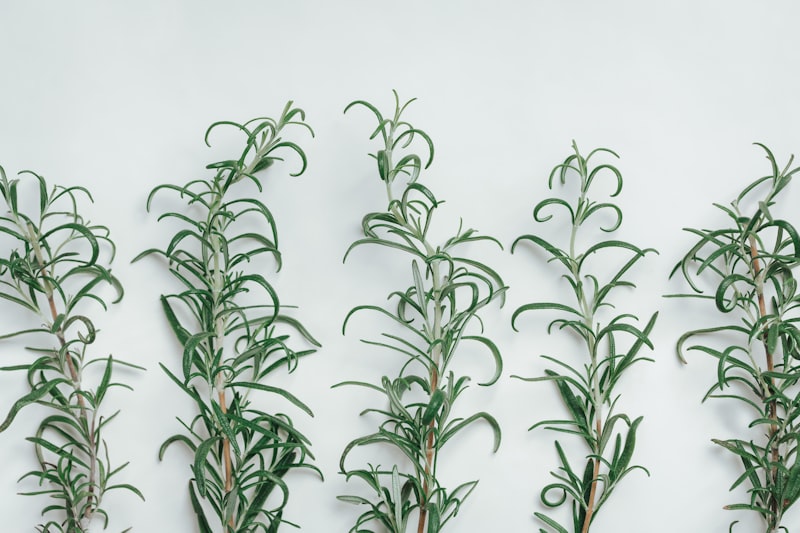
These herbs are well-suited to Sandy Loam soil conditions. Each plant listed below tolerates or thrives in the drainage, pH, and texture characteristics typical of sandy loam soil.
Basil
Ocimum basilicum
- Sun
- Full sun (6-8 hours)
- Water
- Regular, 1 inch/week; keep consistently moist
- Spacing
- 12-18 inches
- Days to Harvest
- Array
- pH Range
- 6.0 - 7.0
- Zones
- 10-11 (perennial), 2-11 (annual)
Rosemary
Salvia rosmarinus
- Sun
- Full sun (6-8 hours)
- Water
- Low; drought tolerant once established
- Spacing
- 24-36 inches
- Days to Harvest
- Array
- pH Range
- 6.0 - 7.5
- Zones
- 7-10
Thyme
Thymus vulgaris
- Sun
- Full sun (6-8 hours)
- Water
- Low; drought tolerant
- Spacing
- 8-12 inches
- Days to Harvest
- Array
- pH Range
- 6.0 - 8.0
- Zones
- 5-9
Oregano
Origanum vulgare
- Sun
- Full sun (6-8 hours)
- Water
- Low to moderate; allow soil to dry between waterings
- Spacing
- 12-15 inches
- Days to Harvest
- Array
- pH Range
- 6.0 - 8.0
- Zones
- 5-10
Cilantro (Coriander)
Coriandrum sativum
- Sun
- Full sun to partial shade (4-6 hours)
- Water
- Regular, 1 inch/week
- Spacing
- 6-8 inches
- Days to Harvest
- Array
- pH Range
- 6.0 - 7.0
- Zones
- 2-11
Parsley
Petroselinum crispum
- Sun
- Full sun to partial shade (4-8 hours)
- Water
- Regular, 1 inch/week
- Spacing
- 8-10 inches
- Days to Harvest
- Array
- pH Range
- 6.0 - 7.0
- Zones
- 5-9 (biennial)
Sage
Salvia officinalis
- Sun
- Full sun (6-8 hours)
- Water
- Low to moderate; drought tolerant once established
- Spacing
- 18-24 inches
- Days to Harvest
- Array
- pH Range
- 6.0 - 7.0
- Zones
- 4-8
Dill
Anethum graveolens
- Sun
- Full sun (6-8 hours)
- Water
- Moderate, 1 inch/week
- Spacing
- 12-15 inches
- Days to Harvest
- Array
- pH Range
- 5.5 - 6.5
- Zones
- 2-11
Chives
Allium schoenoprasum
- Sun
- Full sun to partial shade (4-8 hours)
- Water
- Regular, 1 inch/week
- Spacing
- 8-12 inches
- Days to Harvest
- Array
- pH Range
- 6.0 - 7.0
- Zones
- 3-9
Tarragon (French)
Artemisia dracunculus var. sativa
- Sun
- Full sun (6-8 hours)
- Water
- Low to moderate; well-drained essential
- Spacing
- 18-24 inches
- Days to Harvest
- Array
- pH Range
- 6.0 - 7.5
- Zones
- 4-8
Fennel
Foeniculum vulgare
- Sun
- Full sun (6-8 hours)
- Water
- Regular, 1 inch/week
- Spacing
- 12-18 inches
- Days to Harvest
- Array
- pH Range
- 5.5 - 7.0
- Zones
- 4-9
Lemongrass
Cymbopogon citratus
- Sun
- Full sun (6-8 hours)
- Water
- Regular, 1-2 inches/week; moisture loving
- Spacing
- 24-36 inches
- Days to Harvest
- Array
- pH Range
- 5.0 - 7.0
- Zones
- 9-11 (perennial), 3-8 (annual)
Chamomile
Matricaria chamomilla
- Sun
- Full sun (6-8 hours)
- Water
- Low to moderate; drought tolerant
- Spacing
- 8-12 inches
- Days to Harvest
- Array
- pH Range
- 5.6 - 7.5
- Zones
- 3-9
Lavender (Culinary)
Lavandula angustifolia
- Sun
- Full sun (6-8 hours)
- Water
- Low; drought tolerant once established
- Spacing
- 12-18 inches
- Days to Harvest
- Array
- pH Range
- 6.5 - 8.0
- Zones
- 5-9
Herbs That Excel in Sandy Loam
Sandy loam is arguably the single best soil type for growing the widest range of culinary herbs. It drains freely enough for rosemary and lavender yet holds sufficient moisture for basil and parsley. The loose texture allows herb roots to spread easily and access nutrients without fighting compaction. Plant a dedicated herb spiral in sandy loam and you can fit a dozen varieties into a small footprint, with drought-tolerant species at the top and moisture-lovers at the base. Tarragon, both French and Russian varieties, performs exceptionally here, sending runners through the light soil structure. Lemon balm and bee balm grow vigorously in sandy loam, sometimes too vigorously, so consider edging their beds with buried barriers. The naturally good aeration in sandy loam reduces fungal disease pressure significantly.
Preserving Your Sandy Loam Herb Harvest
A productive sandy loam herb garden produces far more than you can use fresh, so preservation is essential. Freezing works brilliantly for soft-leaved herbs: blend basil, cilantro, or parsley with olive oil and freeze in ice cube trays for instant flavor bombs in winter cooking. Dehydrating suits woody herbs like thyme, oregano, marjoram, and savory. Spread stems on a screen in a warm, dark room with good airflow for about two weeks. Herb-infused vinegars capture tarragon and dill flavors beautifully: pack fresh sprigs into bottles, cover with white wine vinegar, and steep for three weeks. Herb salts are another excellent method: layer coarse sea salt with fresh rosemary and sage in a jar, let it cure for a month, then blitz in a food processor.
Soil Preparation Tips for Herbs in Sandy Loam Soil
Preparing sandy loam soil for herbs requires understanding both the soil's characteristics and the plants' needs. With good drainage, sandy loam soil provides a good foundation for herbs. Since herbs generally have shallow to moderate root systems, focus your soil preparation on the top 12 inches. Test your soil pH before planting - sandy loam soil tends to be slightly acidic to neutral. Many herbs prefer neutral pH, so you may need to add lime to raise pH levels. Prepare your beds 2-3 weeks before planting to allow amendments to integrate. For herbs, this timing is crucial to ensure optimal growing conditions from day one.
Common Problems Growing Herbs in Sandy Loam Soil
Growing herbs in sandy loam soil presents some unique challenges that you can overcome with proper management. The primary concerns with sandy loam soil include some nutrient leaching, and occasional drought stress. pH-related nutrient lockout can occur in sandy loam soil, which is slightly acidic to neutral. This affects how herbs absorb essential nutrients, particularly iron, manganese, and phosphorus. Test pH annually and adjust as needed - most herbs perform best in neutral to slightly acidic conditions. Many herbs lose flavor intensity when stressed. While some stress is beneficial for essential oil production, severe soil issues will reduce both growth and aromatic qualities.
Frequently Asked Questions
Is sandy loam better than pure sand for herbs?
Significantly better. Sandy loam retains enough moisture and nutrients that even water-hungry herbs like basil thrive without constant irrigation. Pure sand drains too aggressively, leaching nutrients before roots absorb them. Sandy loam gives you the best of both worlds: drainage with retention.
How deep should I plant herbs in sandy loam?
Plant herb transplants at the same depth they sat in their nursery pots. Going deeper buries the crown and invites rot. For seeds, follow packet instructions, but most herb seeds need only a quarter-inch covering. Sandy loam's loose texture makes depth control easy and consistent.
Do herbs in sandy loam need frequent feeding?
Feed lightly every four to six weeks with a balanced organic fertilizer during the growing season. Sandy loam holds nutrients better than pure sand but not as tenaciously as clay. Compost topdressing in spring provides a slow-release nutrient base that carries most herbs through summer.
When is the best time to plant herbs in sandy loam soil?
The ideal planting time for herbs in sandy loam soil depends on both your climate zone and the soil's properties. For cool-season herbs, plant in early spring or late summer/fall. In sandy loam soil, fall planting can be particularly successful as the soil retains warmth while air temperatures cool. Always amend the soil 2-3 weeks before planting to allow time for compost for nutrient retention to integrate properly.
What should I do if my herbs show signs of nutrient deficiency in sandy loam soil?
Nutrient deficiencies in herbs growing in sandy loam soil often stem from pH imbalances rather than actual nutrient shortages. Since sandy loam soil is slightly acidic to neutral, certain nutrients like phosphorus, calcium, and magnesium may be less available to plants. Test your soil pH with a reliable test kit. If pH is below 6.0, apply dolomitic lime according to package directions to gradually raise pH toward neutral (6.5-7.0). Foliar feeding with liquid fertilizer provides quick results while you work on correcting underlying pH issues. Spray diluted liquid fertilizer directly on leaves in the early morning or evening to avoid leaf burn. For herbs, maintaining proper soil pH is more important than heavy fertilization. Once pH is in the optimal range (6.0-7.0 for most plants), nutrient availability improves dramatically and deficiency symptoms usually resolve within 2-4 weeks.
Gardening Tips for Sandy Loam Soil
- Mulch heavily to retain moisture, since sandy soil dries out quickly.
- Water more frequently but in smaller amounts to prevent runoff and waste.
- Add organic matter every season to build up the soil's water-holding capacity.
- Use slow-release fertilizers rather than liquid feeds, which wash through sand rapidly.