Best Fruits for Sandy Loam Soil
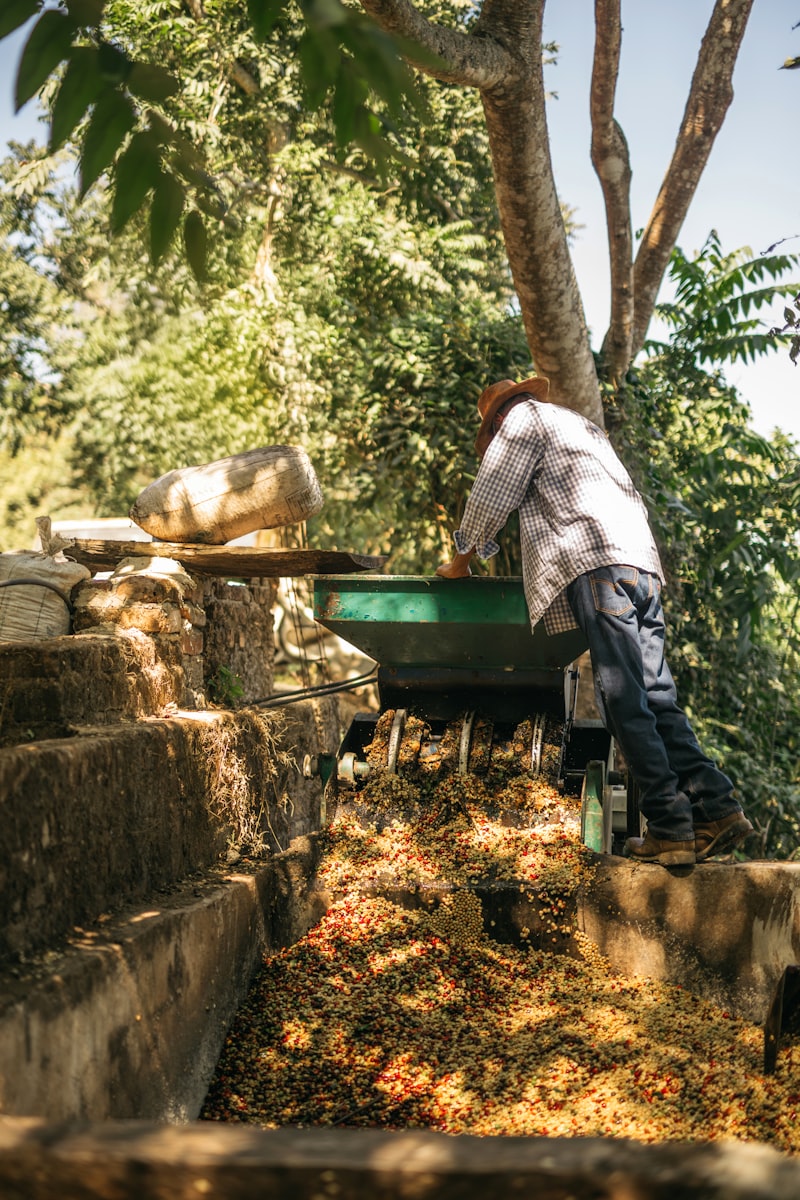
These fruits are well-suited to Sandy Loam soil conditions. Each plant listed below tolerates or thrives in the drainage, pH, and texture characteristics typical of sandy loam soil.
Strawberry
Fragaria × ananassa
- Sun
- Full sun (6-8 hours)
- Water
- Regular, 1-1.5 inches/week; drip irrigation preferred
- Spacing
- 12-18 inches
- Days to Harvest
- Array
- pH Range
- 5.5 - 6.8
- Zones
- 3-10
Blueberry
Vaccinium corymbosum
- Sun
- Full sun (6-8 hours)
- Water
- Regular, 1-2 inches/week; consistent moisture
- Spacing
- 4-6 feet
- Days to Harvest
- Array
- pH Range
- 4.5 - 5.5
- Zones
- 3-9
Raspberry
Rubus idaeus
- Sun
- Full sun (6-8 hours)
- Water
- Regular, 1-1.5 inches/week
- Spacing
- 24-36 inches
- Days to Harvest
- Array
- pH Range
- 5.5 - 6.5
- Zones
- 3-9
Apple
Malus domestica
- Sun
- Full sun (6-8 hours)
- Water
- Regular, 1 inch/week; deep watering preferred
- Spacing
- 15-25 feet (standard), 6-10 feet (dwarf)
- Days to Harvest
- Array
- pH Range
- 6.0 - 7.0
- Zones
- 3-8
Peach
Prunus persica
- Sun
- Full sun (6-8 hours)
- Water
- Regular, 1-1.5 inches/week
- Spacing
- 15-20 feet (standard), 8-10 feet (dwarf)
- Days to Harvest
- Array
- pH Range
- 6.0 - 7.0
- Zones
- 5-9
Cherry
Prunus avium / Prunus cerasus
- Sun
- Full sun (6-8 hours)
- Water
- Regular, 1 inch/week; reduce at harvest
- Spacing
- 20-30 feet (sweet), 12-18 feet (sour)
- Days to Harvest
- Array
- pH Range
- 6.0 - 7.5
- Zones
- 4-8 (sweet), 3-8 (sour)
Grape
Vitis vinifera / Vitis labrusca
- Sun
- Full sun (7-8 hours)
- Water
- Moderate, 0.5-1 inch/week; drought tolerant once established
- Spacing
- 6-8 feet
- Days to Harvest
- Array
- pH Range
- 5.5 - 7.0
- Zones
- 4-10
Watermelon
Citrullus lanatus
- Sun
- Full sun (8+ hours)
- Water
- Regular, 1-2 inches/week; reduce at ripening
- Spacing
- 60-96 inches
- Days to Harvest
- Array
- pH Range
- 6.0 - 6.8
- Zones
- 3-11
Cantaloupe
Cucumis melo var. cantalupensis
- Sun
- Full sun (8+ hours)
- Water
- Regular, 1-2 inches/week; reduce at ripening
- Spacing
- 36-48 inches
- Days to Harvest
- Array
- pH Range
- 6.0 - 6.8
- Zones
- 4-11
Fig
Ficus carica
- Sun
- Full sun (6-8 hours)
- Water
- Moderate, 1 inch/week; drought tolerant once established
- Spacing
- 15-20 feet
- Days to Harvest
- Array
- pH Range
- 6.0 - 8.0
- Zones
- 7-11
Blackberry
Rubus fruticosus
- Sun
- Full sun (6-8 hours)
- Water
- Regular, 1-2 inches/week during fruiting
- Spacing
- 3-5 feet
- Days to Harvest
- Array
- pH Range
- 5.5 - 7.0
- Zones
- 5-9
Lemon
Citrus limon
- Sun
- Full sun (8+ hours)
- Water
- Regular, deep watering weekly; reduce in winter
- Spacing
- 12-15 feet
- Days to Harvest
- Array
- pH Range
- 5.5 - 6.5
- Zones
- 9-11
Orange
Citrus sinensis
- Sun
- Full sun (8+ hours)
- Water
- Regular, deep watering weekly
- Spacing
- 15-20 feet
- Days to Harvest
- Array
- pH Range
- 6.0 - 7.0
- Zones
- 9-11
Fruit Production in Sandy Loam Soil
Sandy loam hits the sweet spot for most fruit crops. You get sand's excellent drainage and quick warming combined with enough silt and clay to actually hold onto water and nutrients between irrigations. Peach orchards on sandy loam consistently produce the highest quality fruit in commercial growing regions — there's a reason the best peach counties in Georgia and South Carolina sit on sandy loam. Grape vines develop the concentrated flavors that winemakers prize when roots have to work moderately hard for water, which sandy loam provides naturally. Raspberry and blackberry canes establish fast in this forgiving soil, and their root systems stay healthy because excess water never sits around long enough to cause crown rot. Melon growers on sandy loam get the warm soil temperatures that speed germination without the extreme drought stress that pure sand creates.
Pollination Strategies for Sandy Loam Fruit Gardens
Sandy loam's fast-draining surface dries out quickly in spring, which actually benefits pollination timing. Flowers on fruit trees in sandy loam open slightly earlier than those in heavier soils because the ground warms faster, giving pollinators a longer window. Plant bee-friendly companion crops like borage and phacelia between fruit tree rows to keep pollinators in your garden throughout bloom season. For apple growers, remember that most varieties need a different cultivar within 50 feet for cross-pollination — plant at least two compatible varieties. Crabapples work as universal pollinators for any apple variety. Hand-pollinate melons if bee activity seems low: pick a male flower, strip the petals, and dab pollen onto female flowers (the ones with the tiny fruit swelling behind them) early in the morning when blossoms are fully open.
Soil Preparation Tips for Fruits in Sandy Loam Soil
Preparing sandy loam soil for fruits requires understanding both the soil's characteristics and the plants' needs. With good drainage, sandy loam soil provides a good foundation for fruits. For fruits, which typically have deep - often 3-6 feet root systems, work amendments into the soil to a depth of at least 18-24 inches. Test your soil pH before planting - sandy loam soil tends to be slightly acidic to neutral. Many fruits prefer neutral pH, so you may need to add lime to raise pH levels. Prepare your beds 2-3 weeks before planting to allow amendments to integrate. For fruits, this timing is crucial to ensure optimal growing conditions from day one.
Common Problems Growing Fruits in Sandy Loam Soil
Growing fruits in sandy loam soil presents some unique challenges that you can overcome with proper management. The primary concerns with sandy loam soil include some nutrient leaching, and occasional drought stress. pH-related nutrient lockout can occur in sandy loam soil, which is slightly acidic to neutral. This affects how fruits absorb essential nutrients, particularly iron, manganese, and phosphorus. Test pH annually and adjust as needed - most fruits perform best in neutral to slightly acidic conditions. Fruit quality may suffer in suboptimal soil conditions. Monitor fruit development closely and adjust watering and fertilization based on plant response rather than strict schedules.
Frequently Asked Questions
What are the best fruits for sandy loam soil?
Peaches, grapes, raspberries, blackberries, melons, and strawberries all excel in sandy loam. The drainage prevents root diseases while the loam fraction holds enough moisture for fruit development. Sweet cherries, which fail in heavy soils, often thrive here because their roots stay well-aerated.
How much water do fruit trees need in sandy loam?
Established trees need about one inch of water per week during the growing season, applied as a slow deep soak. Sandy loam drains moderately fast, so one or two thorough irrigations per week outperform daily light watering. Newly planted trees need twice-weekly soaking for the first two years.
Should you fertilize fruit trees differently in sandy loam?
Apply a balanced organic fertilizer in early spring before bud break, then again at petal fall. Sandy loam loses nitrogen faster than pure clay, so split applications work better than one heavy dose. Foliar sprays of kelp extract during fruit sizing provide micronutrients that sandy loam may lack.
What is the best planting depth for fruits in sandy loam soil?
Proper planting depth is critical for fruits in sandy loam soil to ensure healthy establishment. Plant fruits at the same depth they were growing in the nursery container. The root flare (where the trunk widens at the base) should be visible at the soil surface. Dig the planting hole 2-3 times wider than the root ball but no deeper. In sandy loam soil, roughen the sides of the planting hole to prevent glazing, which can restrict root growth. Backfill with the native soil mixed with compost (no more than 25% compost), and water thoroughly to eliminate air pockets. Apply 2-3 inches of mulch around fruits, keeping it several inches away from the trunk or stems.
What should I do if my fruits show signs of nutrient deficiency in sandy loam soil?
Nutrient deficiencies in fruits growing in sandy loam soil often stem from pH imbalances rather than actual nutrient shortages. Since sandy loam soil is slightly acidic to neutral, certain nutrients like phosphorus, calcium, and magnesium may be less available to plants. Test your soil pH with a reliable test kit. If pH is below 6.0, apply dolomitic lime according to package directions to gradually raise pH toward neutral (6.5-7.0). Foliar feeding with liquid fertilizer provides quick results while you work on correcting underlying pH issues. Spray diluted liquid fertilizer directly on leaves in the early morning or evening to avoid leaf burn. For fruits, maintaining proper soil pH is more important than heavy fertilization. Once pH is in the optimal range (6.0-7.0 for most plants), nutrient availability improves dramatically and deficiency symptoms usually resolve within 2-4 weeks.
Gardening Tips for Sandy Loam Soil
- Mulch heavily to retain moisture, since sandy soil dries out quickly.
- Water more frequently but in smaller amounts to prevent runoff and waste.
- Add organic matter every season to build up the soil's water-holding capacity.
- Use slow-release fertilizers rather than liquid feeds, which wash through sand rapidly.