Best Flowers for Silt Soil
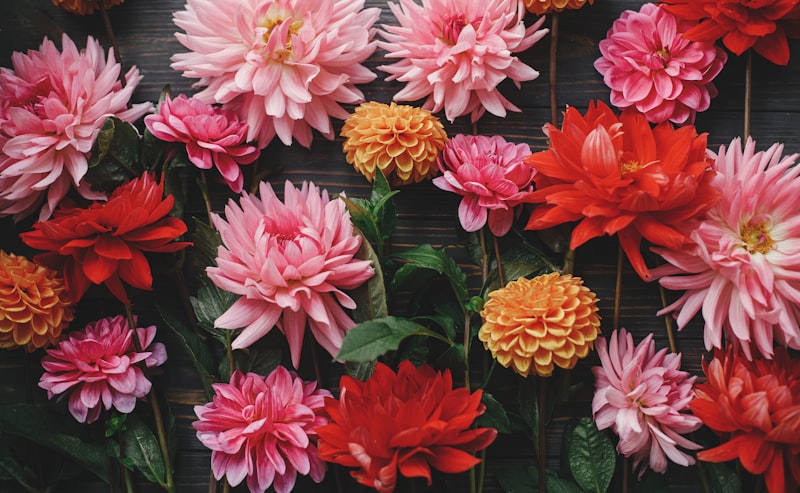
These flowers are well-suited to Silt soil conditions. Each plant listed below tolerates or thrives in the drainage, pH, and texture characteristics typical of silt soil.
Hydrangea
Hydrangea macrophylla
- Sun
- Partial shade to full sun (4-6 hours)
- Water
- Regular, 1-2 inches/week; moisture loving
- Spacing
- 36-60 inches
- Days to Harvest
- Array
- pH Range
- 5.5 - 6.5
- Zones
- 5-9
Flower Growing in Silty Soil
Silt soil feels smooth and silky between your fingers, a sign of its fine particle structure that holds moisture and nutrients well. Many perennial flowers excel here, including astilbe, ligularia, and Japanese iris, which appreciate the consistent moisture silt retains without the compaction problems of pure clay. Foxgloves naturalize beautifully in silty woodland edges, and primroses form spreading colonies along shaded borders. The challenge with silt is surface crusting after heavy rain — that fine texture seals over and blocks seedling emergence. Scratching the surface lightly with a hand fork after downpours keeps the bed open for self-sowing annuals. A permanent mulch of leaf mold or fine bark also prevents crusting while feeding the soil biology that keeps silt friable and well-structured through the growing season.
Companion Planting Strategies for Silty Flower Beds
Silty soil's fertility supports dense plantings where companion combinations create effects greater than individual specimens. Pair tall verbena bonariensis with lower-growing salvias — the verbena's see-through stems let you appreciate the salvia's color below while both benefit from the moisture silt holds. Marigolds planted among roses in silt serve double duty as root-knot nematode deterrents and pollinator magnets. Catmint edging a peony border provides color continuity after the peonies finish their brief but spectacular show. In silty soil, roots intermingle more easily than in compacted clay, so companion plants share nutrients and mycorrhizal networks efficiently. Space companions at about two-thirds the recommended distance — silt's moisture retention supports this tighter spacing without the competition stress drier soils would create.
Soil Preparation Tips for Flowers in Silt Soil
Preparing silt soil for flowers requires understanding both the soil's characteristics and the plants' needs. With moderate drainage, silt soil provides a good foundation for flowers. Since flowers generally have shallow to moderate root systems, focus your soil preparation on the top 12 inches. Prepare your beds 2-3 weeks before planting to allow amendments to integrate. For flowers, this timing is crucial to ensure optimal growing conditions from day one.
Common Problems Growing Flowers in Silt Soil
Growing flowers in silt soil presents some unique challenges that you can overcome with proper management. The primary concerns with silt soil include surface crusting, erosion risk, and compaction. Soil compaction can significantly impact flowers in silt soil, limiting root development and oxygen availability. Symptoms include stunted growth, shallow root systems, and poor nutrient uptake. Avoid walking on growing beds, add organic matter annually, and use a broadfork to gently aerate the soil without inverting it. Flowering may be reduced or delayed if soil conditions are poor. Ensure adequate phosphorus and avoid excess nitrogen, which promotes foliage at the expense of blooms.
Frequently Asked Questions
What flowers do well in silt soil?
Astilbe, Japanese iris, foxglove, primrose, and ligularia thrive in silt's moisture-retentive texture. For sunnier spots, daylilies, phlox, and bee balm perform strongly. Silt's fine particles hold nutrients effectively, so most perennials establish quickly and bloom prolifically from their second season onward.
How do I prevent silt soil from compacting in flower beds?
Avoid working silt when wet — it smears and compacts easily. Add coarse compost annually to introduce larger particles that improve structure. Permanent mulch of shredded leaves or bark chips protects the surface from rain impact, and established root networks from perennial flowers help hold the soil open.
Can I grow sun-loving flowers in silt soil?
Absolutely. Zinnias, marigolds, coneflowers, and sunflowers all grow vigorously in silt provided the site receives six or more hours of direct sun. The moisture retention actually benefits sun-lovers during hot spells, reducing the watering frequency you would need in sandier ground.
When is the best time to plant flowers in silt soil?
The ideal planting time for flowers in silt soil depends on both your climate zone and the soil's properties. For cool-season flowers, plant in early spring or late summer/fall. In silt soil, fall planting can be particularly successful as the soil retains warmth while air temperatures cool. Always amend the soil 2-3 weeks before planting to allow time for organic matter, avoid over-tilling to integrate properly.
How can I prevent soil compaction when growing flowers in silt soil?
Soil compaction is a significant concern in silt soil, and preventing it is easier than correcting it after the fact. First, avoid working the soil when it's wet - if it sticks to your tools or forms a ball when squeezed, it's too wet to work. Working wet silt soil destroys soil structure and creates dense, compacted layers that restrict root growth for flowers. Use permanent pathways and avoid walking on planting beds. Consider installing stepping stones or boards to distribute your weight when you need to access the bed. Add 2-3 inches of compost or other organic matter annually to improve soil structure. As organic matter decomposes, it creates air spaces and improves drainage. Plant cover crops like daikon radish or clover during the off-season - their roots naturally break up compacted silt soil. If compaction is severe, consider creating raised beds filled with a custom soil mix, which allows better control over growing conditions for flowers.
Gardening Tips for Silt Soil
- Avoid working silty soil when it is wet, as it compacts easily under pressure.
- Cover crops in the off-season help prevent erosion and add organic matter.
- Mulch pathways and walking areas to distribute weight and reduce compaction.
- Silty soil is naturally fertile, so go easy on fertilizers to avoid excess nutrient runoff.