Best Shrubs for Silt Soil
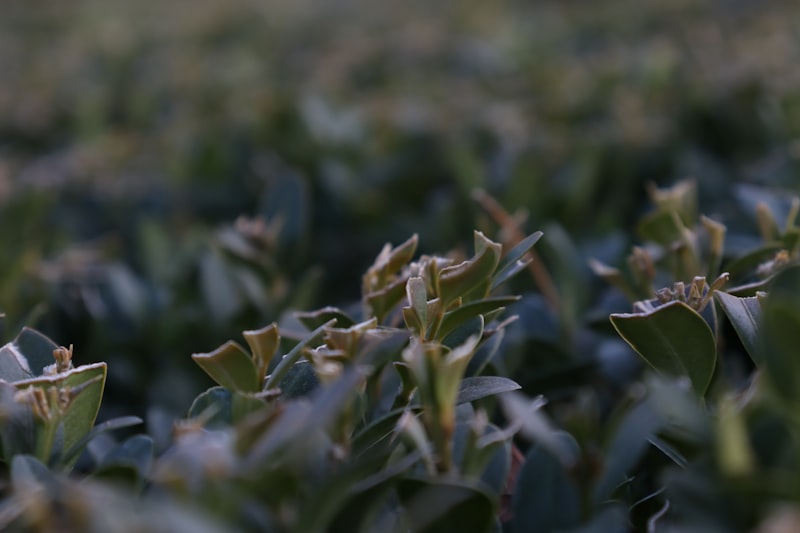
These shrubs are well-suited to Silt soil conditions. Each plant listed below tolerates or thrives in the drainage, pH, and texture characteristics typical of silt soil.
Hydrangea
Hydrangea macrophylla
- Sun
- Partial shade to full sun (4-6 hours)
- Water
- Regular, 1-2 inches/week; moisture loving
- Spacing
- 36-72 inches
- Days to Harvest
- Array
- pH Range
- 5.5 - 6.5
- Zones
- 5-9
Viburnum
Viburnum spp.
- Sun
- Full sun to partial shade (4-8 hours)
- Water
- Regular, 1 inch/week
- Spacing
- 48-96 inches
- Days to Harvest
- Array
- pH Range
- 5.5 - 7.5
- Zones
- 3-8
Growing Shrubs in Silt Soil
Silt soil feels smooth and flour-like between your fingers, holding moisture longer than sand but compacting more easily than loam. Shrubs with fibrous root systems — azaleas, spirea, and compact viburnum — perform best because they spread laterally through silt's fine particles without needing to penetrate deeply. Silt's water retention makes it fertile ground for hydrangeas, which reward you with abundant blooms when moisture stays consistent. The danger with silt is surface crusting after rain: water sheets across compacted surfaces instead of infiltrating. Break this cycle by maintaining a permanent organic mulch layer that absorbs raindrop impact. Till silt only when dry — working it wet creates a concrete-like surface that takes months to recover. Position shrubs where natural grade encourages drainage away from crowns, since silt holds water around stems long enough to invite crown rot in susceptible species.
Preventing Root Diseases in Silty Ground
Phytophthora root rot is the silent killer in silt soils because the fine particles hold moisture against bark and roots for extended periods. Rhododendrons and azaleas are particularly vulnerable despite loving silt's acidity. Plant on slight berms — 4 to 6 inches above surrounding grade — to lift root crowns out of standing moisture. Choose resistant rootstocks when available; for example, rhododendron varieties grafted onto R. ponticum rootstock handle saturated silt better than those on their own roots. Fungicidal drenches containing mefenoxam provide chemical backup, but cultural prevention always outperforms treatment. Improve silt drainage long-term by incorporating coarse perlite or pine bark fines into planting backfill. Avoid fine-textured compost that mimics silt's own particle size — it adds organic matter without improving pore space. Space shrubs generously to promote air circulation that dries foliage and soil surfaces between rains.
Soil Preparation Tips for Shrubs in Silt Soil
Preparing silt soil for shrubs requires understanding both the soil's characteristics and the plants' needs. With moderate drainage, silt soil provides a good foundation for shrubs. Since shrubs generally have moderate to deep root systems, focus your soil preparation on the top 12 inches. Prepare your beds 2-3 weeks before planting to allow amendments to integrate. For shrubs, this timing is crucial to ensure optimal growing conditions from day one.
Common Problems Growing Shrubs in Silt Soil
Growing shrubs in silt soil presents some unique challenges that you can overcome with proper management. The primary concerns with silt soil include surface crusting, erosion risk, and compaction. Soil compaction can significantly impact shrubs in silt soil, limiting root development and oxygen availability. Symptoms include stunted growth, shallow root systems, and poor nutrient uptake. Avoid walking on growing beds, add organic matter annually, and use a broadfork to gently aerate the soil without inverting it. Long-term establishment can be compromised by poor soil conditions. Pay extra attention to soil preparation at planting time - correcting issues later is much more difficult with woody plants.
Frequently Asked Questions
What shrubs do well in silt soil?
Azaleas, hydrangeas, spirea, and dogwood shrubs flourish in silt. They appreciate the consistent moisture and fine-textured root environment. Arborvitae and ninebark also establish readily. Avoid Mediterranean species like cistus or ceanothus — they need faster drainage than silt provides and quickly develop root rot.
How do I prevent silt soil from crusting around shrubs?
Maintain 3 inches of coarse organic mulch year-round. The mulch absorbs raindrop energy that otherwise seals the silt surface. Earthworms attracted by organic mulch create channels that improve infiltration naturally. Avoid walking on bare silt when wet, and never rototill silty beds during damp conditions.
Should I add sand to silt soil for better drainage?
Adding small amounts of sand to silt often worsens structure — you end up with something resembling low-grade concrete. To genuinely improve drainage, incorporate coarse organic matter like pine bark nuggets or perlite. You need at least 30% by volume of amendments to meaningfully change silt's drainage behavior.
What is the best planting depth for shrubs in silt soil?
Proper planting depth is critical for shrubs in silt soil to ensure healthy establishment. Plant shrubs at the same depth they were growing in the nursery container. The root flare (where the trunk widens at the base) should be visible at the soil surface. Dig the planting hole 2-3 times wider than the root ball but no deeper. In silt soil, roughen the sides of the planting hole to prevent glazing, which can restrict root growth. Backfill with the native soil mixed with compost (no more than 25% compost), and water thoroughly to eliminate air pockets. Apply 2-3 inches of mulch around shrubs, keeping it several inches away from the trunk or stems.
How can I prevent soil compaction when growing shrubs in silt soil?
Soil compaction is a significant concern in silt soil, and preventing it is easier than correcting it after the fact. First, avoid working the soil when it's wet - if it sticks to your tools or forms a ball when squeezed, it's too wet to work. Working wet silt soil destroys soil structure and creates dense, compacted layers that restrict root growth for shrubs. Use permanent pathways and avoid walking on planting beds. Consider installing stepping stones or boards to distribute your weight when you need to access the bed. Add 2-3 inches of compost or other organic matter annually to improve soil structure. As organic matter decomposes, it creates air spaces and improves drainage. Plant cover crops like daikon radish or clover during the off-season - their roots naturally break up compacted silt soil. If compaction is severe, consider creating raised beds filled with a custom soil mix, which allows better control over growing conditions for shrubs.
Gardening Tips for Silt Soil
- Avoid working silty soil when it is wet, as it compacts easily under pressure.
- Cover crops in the off-season help prevent erosion and add organic matter.
- Mulch pathways and walking areas to distribute weight and reduce compaction.
- Silty soil is naturally fertile, so go easy on fertilizers to avoid excess nutrient runoff.