Best Vegetables for Silt Soil
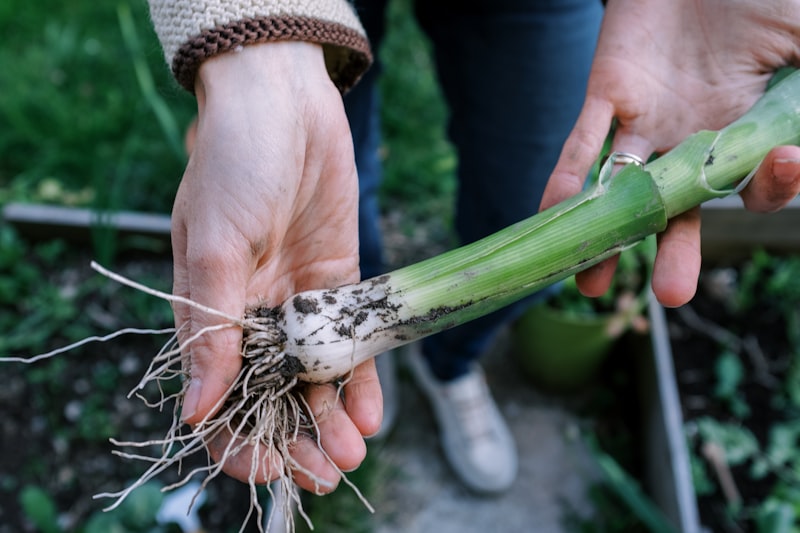
These vegetables are well-suited to Silt soil conditions. Each plant listed below tolerates or thrives in the drainage, pH, and texture characteristics typical of silt soil.
Lettuce
Lactuca sativa
- Sun
- Full sun to partial shade (4-6 hours)
- Water
- Regular, 1 inch/week; keep consistently moist
- Spacing
- 6-12 inches
- Days to Harvest
- Array
- pH Range
- 6.0 - 7.0
- Zones
- 2-11
Beans (Green/Snap)
Phaseolus vulgaris
- Sun
- Full sun (6-8 hours)
- Water
- Regular, 1 inch/week
- Spacing
- 4-6 inches (bush), 6-8 inches (pole)
- Days to Harvest
- Array
- pH Range
- 6.0 - 7.0
- Zones
- 3-10
Peas
Pisum sativum
- Sun
- Full sun to partial shade (4-8 hours)
- Water
- Regular, 1 inch/week
- Spacing
- 2-4 inches
- Days to Harvest
- Array
- pH Range
- 6.0 - 7.5
- Zones
- 2-11
Broccoli
Brassica oleracea var. italica
- Sun
- Full sun (6-8 hours)
- Water
- Regular, 1-1.5 inches/week
- Spacing
- 18-24 inches
- Days to Harvest
- Array
- pH Range
- 6.0 - 7.0
- Zones
- 2-11
Spinach
Spinacia oleracea
- Sun
- Full sun to partial shade (4-6 hours)
- Water
- Regular, 1-1.5 inches/week
- Spacing
- 4-6 inches
- Days to Harvest
- Array
- pH Range
- 6.5 - 7.5
- Zones
- 2-9
Celery
Apium graveolens
- Sun
- Full sun to partial shade (4-6 hours)
- Water
- Heavy, 2+ inches/week; never let soil dry out
- Spacing
- 8-10 inches
- Days to Harvest
- Array
- pH Range
- 6.0 - 7.0
- Zones
- 2-10
Vegetable Gardening in Silty Soil
Silt soil is naturally fertile and holds moisture well, two qualities that vegetable gardeners pay good money to create in other soil types. The fine particles retain nutrients near the root zone, reducing fertilizer needs. Leafy greens, peas, beans, and brassicas all produce excellent harvests in silt. The catch is compaction. Walking on silty beds or working them when wet destroys the surface structure, creating a hard crust that blocks water infiltration and seedling emergence. The solution is permanent raised beds with clearly defined paths. Once you stop compacting the growing area, silt soil performs remarkably well for vegetables year after year.
Seeding Strategies for Silt
Direct-seeding small vegetables in silt requires attention to crusting. After a rain, the smooth silt particles seal together on the surface, and emerging seedlings struggle to break through. Cover seeds with a thin layer of vermiculite or fine compost rather than silt itself. This loose topping lets sprouts emerge easily while keeping seeds moist. For transplants, silt is forgiving: it firms around root balls nicely and provides steady moisture during establishment. Mulch all bare soil between plants with straw or shredded leaves to prevent rain from sealing the surface. Use drip irrigation or soaker hoses rather than overhead sprinklers, which drive silt particles together.
Soil Preparation Tips for Vegetables in Silt Soil
Preparing silt soil for vegetables requires understanding both the soil's characteristics and the plants' needs. With moderate drainage, silt soil provides a good foundation for vegetables. Since vegetables generally have varies - shallow (lettuce) to deep (tomatoes) root systems, focus your soil preparation on the top 12 inches. Prepare your beds 2-3 weeks before planting to allow amendments to integrate. For vegetables, this timing is crucial to ensure optimal growing conditions from day one.
Common Problems Growing Vegetables in Silt Soil
Growing vegetables in silt soil presents some unique challenges that you can overcome with proper management. The primary concerns with silt soil include surface crusting, erosion risk, and compaction. Soil compaction can significantly impact vegetables in silt soil, limiting root development and oxygen availability. Symptoms include stunted growth, shallow root systems, and poor nutrient uptake. Avoid walking on growing beds, add organic matter annually, and use a broadfork to gently aerate the soil without inverting it. For vegetables, disease pressure often increases in silt soil. Practice crop rotation and maintain good air circulation to minimize fungal issues.
Frequently Asked Questions
Is silt good for growing vegetables?
Silt is excellent for vegetables once you manage compaction. Its natural fertility and moisture retention mean less fertilizing and watering. Leafy greens, peas, beans, and brassicas thrive. The key is permanent beds with no foot traffic on growing areas.
Why do my seedlings struggle in silt soil?
Silt forms a hard crust after rain that seedlings cannot push through. Cover seeds with vermiculite or fine compost instead of native soil. Use a gentle sprinkle rather than heavy watering, and mulch bare areas to prevent crusting between rows.
How do I prevent silt soil from compacting in my vegetable garden?
Use permanent raised beds and never walk on growing areas. Mulch pathways with wood chips. Add coarse compost annually to improve aggregate stability. Lay boards or stepping stones if you must enter a bed for harvesting. Avoid working the soil when wet.
When is the best time to plant vegetables in silt soil?
The ideal planting time for vegetables in silt soil depends on both your climate zone and the soil's properties. For cool-season vegetables, plant in early spring or late summer/fall. In silt soil, fall planting can be particularly successful as the soil retains warmth while air temperatures cool. Always amend the soil 2-3 weeks before planting to allow time for organic matter, avoid over-tilling to integrate properly.
How can I prevent soil compaction when growing vegetables in silt soil?
Soil compaction is a significant concern in silt soil, and preventing it is easier than correcting it after the fact. First, avoid working the soil when it's wet - if it sticks to your tools or forms a ball when squeezed, it's too wet to work. Working wet silt soil destroys soil structure and creates dense, compacted layers that restrict root growth for vegetables. Use permanent pathways and avoid walking on planting beds. Consider installing stepping stones or boards to distribute your weight when you need to access the bed. Add 2-3 inches of compost or other organic matter annually to improve soil structure. As organic matter decomposes, it creates air spaces and improves drainage. Plant cover crops like daikon radish or clover during the off-season - their roots naturally break up compacted silt soil. If compaction is severe, consider creating raised beds filled with a custom soil mix, which allows better control over growing conditions for vegetables.
Gardening Tips for Silt Soil
- Avoid working silty soil when it is wet, as it compacts easily under pressure.
- Cover crops in the off-season help prevent erosion and add organic matter.
- Mulch pathways and walking areas to distribute weight and reduce compaction.
- Silty soil is naturally fertile, so go easy on fertilizers to avoid excess nutrient runoff.