Best Herbs for Silt Soil
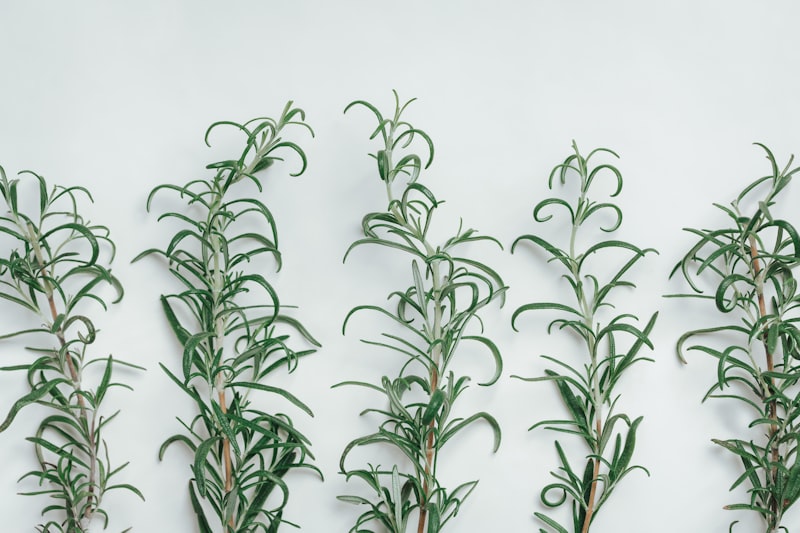
These herbs are well-suited to Silt soil conditions. Each plant listed below tolerates or thrives in the drainage, pH, and texture characteristics typical of silt soil.
Mint
Mentha spp.
- Sun
- Partial shade to full sun (3-6 hours)
- Water
- Regular, 1-2 inches/week; moisture loving
- Spacing
- 18-24 inches (container recommended)
- Days to Harvest
- Array
- pH Range
- 6.0 - 7.0
- Zones
- 3-8
Growing Herbs in Silty Soil
Silty soil feels smooth and silky between your fingers and holds water exceptionally well, which is both its strength and its weakness for herb growing. Moisture-loving herbs like mint, parsley, and chervil absolutely flourish here without much intervention. The fine particles pack together when wet, though, creating a surface crust that blocks seedlings from emerging. Break this crust gently with a hand fork after every heavy rain. Work in organic matter annually to improve structure: aged compost and leaf mold open up air channels that roots need. Avoid walking on wet silty soil because compaction damage takes years to reverse. Raised rows help shed excess water during prolonged rainy spells. Silt warms more slowly than sandy soil in spring, so delay sowing warm-season herbs like basil until the ground temperature reaches at least 60 degrees Fahrenheit.
Companion Planting Herbs in Silt Gardens
Silty soil's moisture retention makes it ideal for herb companion planting schemes that reduce pest pressure naturally. Plant basil alongside tomatoes in your silt garden since basil repels aphids and whiteflies while the tomato canopy shades the basil roots, keeping them cool and moist. Dill attracts hoverflies and lacewings, whose larvae devour aphid colonies on neighboring plants. Chives planted along bed edges deter carrot fly and add a subtle onion aroma to the garden. Sage and rosemary deter cabbage moth when planted near brassicas, though both need their planting area lightened with grit in heavy silt. Nasturtiums serve as trap crops, luring aphids away from your prized herbs. This integrated approach reduces the need for any pesticide intervention.
Soil Preparation Tips for Herbs in Silt Soil
Preparing silt soil for herbs requires understanding both the soil's characteristics and the plants' needs. With moderate drainage, silt soil provides a good foundation for herbs. Since herbs generally have shallow to moderate root systems, focus your soil preparation on the top 12 inches. Prepare your beds 2-3 weeks before planting to allow amendments to integrate. For herbs, this timing is crucial to ensure optimal growing conditions from day one.
Common Problems Growing Herbs in Silt Soil
Growing herbs in silt soil presents some unique challenges that you can overcome with proper management. The primary concerns with silt soil include surface crusting, erosion risk, and compaction. Soil compaction can significantly impact herbs in silt soil, limiting root development and oxygen availability. Symptoms include stunted growth, shallow root systems, and poor nutrient uptake. Avoid walking on growing beds, add organic matter annually, and use a broadfork to gently aerate the soil without inverting it. Many herbs lose flavor intensity when stressed. While some stress is beneficial for essential oil production, severe soil issues will reduce both growth and aromatic qualities.
Frequently Asked Questions
What herbs grow best in silt soil?
Mint, parsley, chervil, and chives all love the consistent moisture silt provides. Sorrel and lovage also perform well. Mediterranean herbs like rosemary and lavender need their planting area amended with coarse grit to prevent root rot from the moisture-retentive nature of silt particles.
How do I prevent silty soil from crusting over my herb seeds?
Cover seeds with a thin layer of vermiculite or fine compost instead of native silt. This stays loose as it dries, allowing seedlings to push through. Alternatively, start seeds indoors in trays and transplant them out once they have two true leaves and can handle the conditions.
Should I mulch herbs growing in silt soil?
Yes, but use coarse mulch like bark chips or straw rather than fine materials. Coarse mulch prevents surface crusting, reduces compaction from rain impact, and slowly adds organic matter. Keep mulch an inch away from herb stems to prevent crown rot in moisture-loving silt conditions.
When is the best time to plant herbs in silt soil?
The ideal planting time for herbs in silt soil depends on both your climate zone and the soil's properties. For cool-season herbs, plant in early spring or late summer/fall. In silt soil, fall planting can be particularly successful as the soil retains warmth while air temperatures cool. Always amend the soil 2-3 weeks before planting to allow time for organic matter, avoid over-tilling to integrate properly.
How can I prevent soil compaction when growing herbs in silt soil?
Soil compaction is a significant concern in silt soil, and preventing it is easier than correcting it after the fact. First, avoid working the soil when it's wet - if it sticks to your tools or forms a ball when squeezed, it's too wet to work. Working wet silt soil destroys soil structure and creates dense, compacted layers that restrict root growth for herbs. Use permanent pathways and avoid walking on planting beds. Consider installing stepping stones or boards to distribute your weight when you need to access the bed. Add 2-3 inches of compost or other organic matter annually to improve soil structure. As organic matter decomposes, it creates air spaces and improves drainage. Plant cover crops like daikon radish or clover during the off-season - their roots naturally break up compacted silt soil. If compaction is severe, consider creating raised beds filled with a custom soil mix, which allows better control over growing conditions for herbs.
Gardening Tips for Silt Soil
- Avoid working silty soil when it is wet, as it compacts easily under pressure.
- Cover crops in the off-season help prevent erosion and add organic matter.
- Mulch pathways and walking areas to distribute weight and reduce compaction.
- Silty soil is naturally fertile, so go easy on fertilizers to avoid excess nutrient runoff.