Best Flowers for Silty Loam Soil
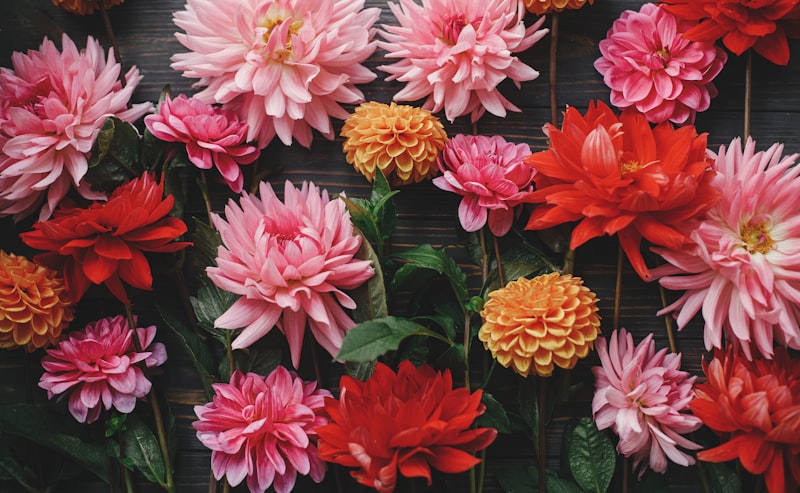
These flowers are well-suited to Silty Loam soil conditions. Each plant listed below tolerates or thrives in the drainage, pH, and texture characteristics typical of silty loam soil.
Rose
Rosa spp.
- Sun
- Full sun (6-8 hours)
- Water
- Regular, 1-2 inches/week; deep watering preferred
- Spacing
- 24-48 inches
- Days to Harvest
- Array
- pH Range
- 6.0 - 6.5
- Zones
- 3-11
Zinnia
Zinnia elegans
- Sun
- Full sun (6-8 hours)
- Water
- Moderate, 1 inch/week; avoid overhead watering
- Spacing
- 6-18 inches
- Days to Harvest
- Array
- pH Range
- 5.5 - 7.5
- Zones
- 2-11
Petunia
Petunia × hybrida
- Sun
- Full sun (6-8 hours)
- Water
- Moderate, 1 inch/week
- Spacing
- 12-18 inches
- Days to Harvest
- Array
- pH Range
- 6.0 - 7.0
- Zones
- 10-11 (perennial), 2-11 (annual)
Dahlia
Dahlia pinnata
- Sun
- Full sun (6-8 hours)
- Water
- Regular, 1-2 inches/week
- Spacing
- 18-24 inches
- Days to Harvest
- Array
- pH Range
- 6.0 - 7.0
- Zones
- 8-11 (perennial), 3-7 (annual)
Lily
Lilium spp.
- Sun
- Full sun to partial shade (6-8 hours)
- Water
- Regular, 1 inch/week; well-drained essential
- Spacing
- 8-12 inches
- Days to Harvest
- Array
- pH Range
- 6.0 - 6.8
- Zones
- 3-9
Hydrangea
Hydrangea macrophylla
- Sun
- Partial shade to full sun (4-6 hours)
- Water
- Regular, 1-2 inches/week; moisture loving
- Spacing
- 36-60 inches
- Days to Harvest
- Array
- pH Range
- 5.5 - 6.5
- Zones
- 5-9
Peony
Paeonia lactiflora
- Sun
- Full sun (6-8 hours)
- Water
- Regular, 1 inch/week
- Spacing
- 36-48 inches
- Days to Harvest
- Array
- pH Range
- 6.5 - 7.0
- Zones
- 3-8
Iris
Iris germanica
- Sun
- Full sun (6-8 hours)
- Water
- Low to moderate; good drainage essential
- Spacing
- 12-24 inches
- Days to Harvest
- Array
- pH Range
- 6.0 - 7.5
- Zones
- 3-10
Chrysanthemum
Chrysanthemum morifolium
- Sun
- Full sun (6-8 hours)
- Water
- Regular, 1 inch/week; avoid wet foliage
- Spacing
- 18-24 inches
- Days to Harvest
- Array
- pH Range
- 6.0 - 7.0
- Zones
- 5-9
Geranium (Pelargonium)
Pelargonium × hortorum
- Sun
- Full sun to partial shade (4-8 hours)
- Water
- Moderate; allow soil to dry between waterings
- Spacing
- 12-18 inches
- Days to Harvest
- Array
- pH Range
- 6.0 - 6.5
- Zones
- 10-11 (perennial), 3-11 (annual)
Growing Flowers in Silty Loam Soil
Silty loam ranks among the most fertile and forgiving soils for flower gardening. Its blend of fine silt particles with coarser loam creates a texture that holds moisture and nutrients generously while still allowing roots to penetrate without effort. Cut flower growers prize silty loam because it produces the long, strong stems that florists demand — dahlias, lisianthus, and snapdragons all reach their full potential here. Perennial borders in silty loam fill in quickly, sometimes too quickly, requiring division every three to four years to prevent overcrowding. Lupins develop their tallest spires in this soil, and delphiniums produce those towering flower spikes that define English cottage garden style. The main watch point is that silty loam's productivity encourages lush foliage growth that can come at the expense of flowers — resist the urge to over-fertilize and let slight nutrient stress push plants toward blooming.
Cottage Garden Design for Silty Loam Conditions
Silty loam practically begs to be planted as a cottage garden — that romantic, overflowing style where flowers spill into each other and every square centimeter produces color. Start with structural perennials like hollyhocks, delphiniums, and foxgloves at the back. Layer in mid-height plants including campanula, achillea, and phlox, then front the bed with mounding geraniums, lady's mantle, and dianthus. In silty loam, you can plant at tighter spacing than most guides recommend because the soil sustains dense root populations without stress. Self-sowing annuals like nigella, honesty, and aquilegia fill remaining gaps and create that effortless, unplanned look that is actually quite difficult to achieve on purpose. Edge the entire bed with lavender or low box hedging to contain the exuberance — without a defined edge, a silty loam cottage garden eventually colonizes the lawn entirely.
Soil Preparation Tips for Flowers in Silty Loam Soil
Preparing silty loam soil for flowers requires understanding both the soil's characteristics and the plants' needs. With good drainage, silty loam soil provides a good foundation for flowers. Since flowers generally have shallow to moderate root systems, focus your soil preparation on the top 12 inches. The rich nutrient levels in silty loam soil are beneficial for flowers, but you'll still want to add minimal - maintain organic matter to maintain soil structure. Prepare your beds 2-3 weeks before planting to allow amendments to integrate. For flowers, this timing is crucial to ensure optimal growing conditions from day one.
Common Problems Growing Flowers in Silty Loam Soil
Growing flowers in silty loam soil presents some unique challenges that you can overcome with proper management. The primary concerns with silty loam soil include slight crusting risk, and erosion on slopes. Flowering may be reduced or delayed if soil conditions are poor. Ensure adequate phosphorus and avoid excess nitrogen, which promotes foliage at the expense of blooms.
Frequently Asked Questions
What makes silty loam so good for flowers?
Silty loam combines excellent moisture retention with good drainage and high natural fertility. Its fine particles hold nutrients in the root zone longer than sandy soils, while the loam fraction prevents waterlogging. Root penetration is effortless, and soil biology thrives, creating ideal conditions for nearly all flowering plants.
How do I stop perennials from spreading too fast in silty loam?
Divide vigorous perennials every three to four years in early spring or autumn. Install root barriers for aggressive spreaders like bee balm and obedient plant. Avoid over-fertilizing — silty loam is already fertile, and extra nitrogen encourages rampant foliage growth that crowds neighboring plants.
Can I grow cut flowers commercially in silty loam?
Silty loam is ideal for cut flower production. Dahlias, lisianthus, sunflowers, zinnias, and snapdragons all produce long-stemmed, high-quality blooms in this soil. Many small-scale flower farms specifically seek out silty loam fields because the soil requires minimal amendment to reach productive capacity immediately.
When is the best time to plant flowers in silty loam soil?
The ideal planting time for flowers in silty loam soil depends on both your climate zone and the soil's properties. For cool-season flowers, plant in early spring or late summer/fall. In silty loam soil, fall planting can be particularly successful as the soil retains warmth while air temperatures cool. Always amend the soil 2-3 weeks before planting to allow time for minimal - maintain organic matter to integrate properly.
What should I do if my flowers show signs of nutrient deficiency in silty loam soil?
Nutrient deficiencies in flowers growing in silty loam soil often stem from pH imbalances rather than actual nutrient shortages. Foliar feeding with liquid fertilizer provides quick results while you work on correcting underlying pH issues. Spray diluted liquid fertilizer directly on leaves in the early morning or evening to avoid leaf burn. For flowers, maintaining proper soil pH is more important than heavy fertilization. Once pH is in the optimal range (6.0-7.0 for most plants), nutrient availability improves dramatically and deficiency symptoms usually resolve within 2-4 weeks.
Gardening Tips for Silty Loam Soil
- Maintain your soil's quality by adding compost or aged manure once a year.
- Rotate crops annually to prevent nutrient depletion and disease buildup.
- Mulch to suppress weeds and regulate soil temperature during extremes.
- Test pH every 2-3 years to catch any gradual shifts before they affect plant health.